
APT420

CaspaTag Pan-Caspase In Situ Assay Kit, Fluorescein
Sign In to View Organizational & Contract Pricing.
Select a Size
Change View
About This Item
UNSPSC Code:
12161503
NACRES:
NA.84
eCl@ss:
32161000
Species reactivity:
mammals
product line
Chemicon®
Quality Segment
species reactivity
mammals
technique(s)
activity assay: suitable, flow cytometry: suitable
General description
Apoptosis is an evolutionarily conserved form of cell suicide, which follows a specialized cellular process. The central component of this process is a cascade of proteolytic enzymes called caspases. These enzymes participate in a series of reactions that are triggered in response to pro-apoptotic signals and result in the cleavage of protein substrates, causing the disassembly of the cell1.
Caspases have been identified in organisms ranging from C. elegans to humans. The mammalian caspases play distinct roles in apoptosis and inflammation. In apoptosis, caspases are responsible for proteolytic cleavages that lead to cell disassembly (effector caspases), and are involved in upstream regulatory events (initiator caspases). An active caspase consists of two large and two small subunits that form two heterodimers, which associate in a tetramer2-4. In common with other proteases, caspases are synthesized as precursors that undergo proteolytic maturation, either autocatalytically or in a cascade by enzymes with similar specificity5.
Caspase enzymes specifically recognize a 4 or 5 amino acid sequence on the target substrate, which necessarily includes an aspartic acid residue. This residue is the target for cleavage, which occurs at the carbonyl end of the aspartic acid residue6. Caspases can be detected via immunoprecipitation, immunoblotting techniques using caspase specific antibodies, or by employing fluorochrome substrates, which become fluorescent upon cleavage by the caspase.
Caspases have been identified in organisms ranging from C. elegans to humans. The mammalian caspases play distinct roles in apoptosis and inflammation. In apoptosis, caspases are responsible for proteolytic cleavages that lead to cell disassembly (effector caspases), and are involved in upstream regulatory events (initiator caspases). An active caspase consists of two large and two small subunits that form two heterodimers, which associate in a tetramer2-4. In common with other proteases, caspases are synthesized as precursors that undergo proteolytic maturation, either autocatalytically or in a cascade by enzymes with similar specificity5.
Caspase enzymes specifically recognize a 4 or 5 amino acid sequence on the target substrate, which necessarily includes an aspartic acid residue. This residue is the target for cleavage, which occurs at the carbonyl end of the aspartic acid residue6. Caspases can be detected via immunoprecipitation, immunoblotting techniques using caspase specific antibodies, or by employing fluorochrome substrates, which become fluorescent upon cleavage by the caspase.
Application
The CaspaTag Pan-Caspase In Situ Assay Kit, Fluorescein for flow cytometry is a fluorescent-based assay for detection of active caspases in cells undergoing apoptosis.
The kit is for research use only. Not for use in diagnostic or therapeutic pr
The kit is for research use only. Not for use in diagnostic or therapeutic pr
Other Notes
Unless otherwise stated in our catalog or other company documentation accompanying the product(s), our products are intended for research use only and are not to be used for any other purpose, which includes but is not limited to, unauthorized commercial
Legal Information
CHEMICON is a registered trademark of Merck KGaA, Darmstadt, Germany
Still not finding the right product?
Explore all of our products under CaspaTag Pan-Caspase In Situ Assay Kit, Fluorescein
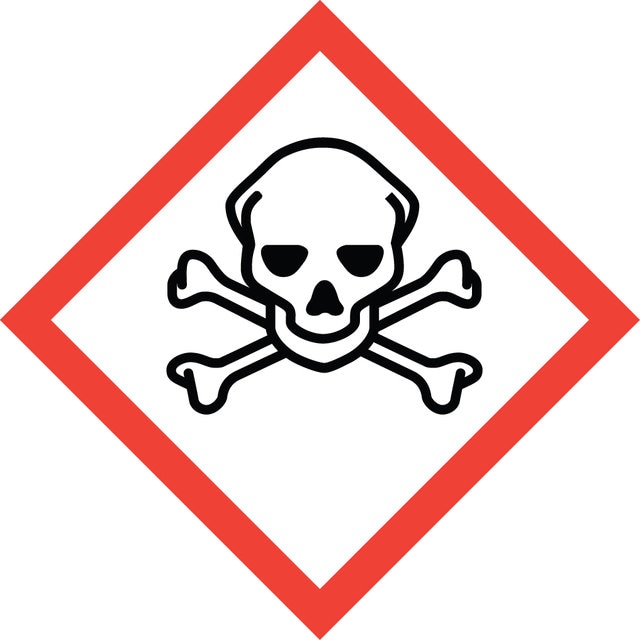
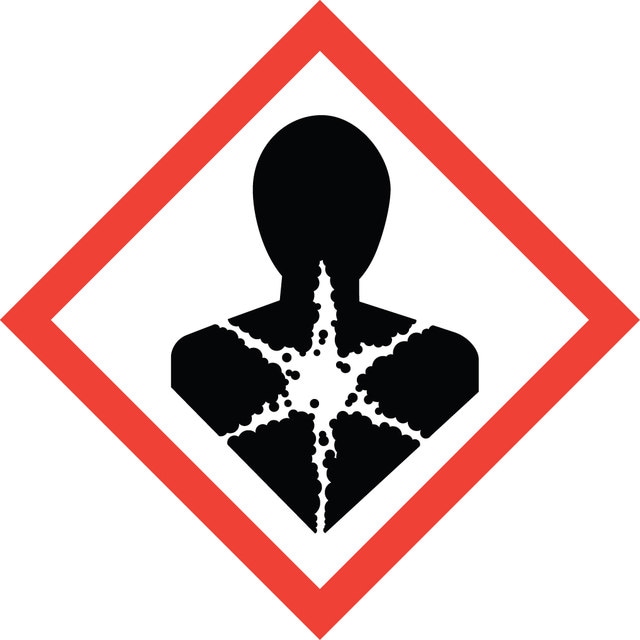
signalword
Danger
Hazard Classifications
Acute Tox. 3 Inhalation - Acute Tox. 4 Dermal - Acute Tox. 4 Oral - Carc. 1B - Eye Irrit. 2 - Muta. 2 - Skin Irrit. 2 - Skin Sens. 1 - STOT SE 2 - STOT SE 3
target_organs
Eyes,Central nervous system, Respiratory system
Storage Class
6.1C - Combustible acute toxic Cat.3 / toxic compounds or compounds which causing chronic effects
Certificates of Analysis (COA)
Search for Certificates of Analysis (COA) by entering the products Lot/Batch Number. Lot and Batch Numbers can be found on a product’s label following the words ‘Lot’ or ‘Batch’.
Already Own This Product?
Find documentation for the products that you have recently purchased in the Document Library.