Skip to Content
Merck

901594

Diisopropylcarbodiimide solution

1 M in THF

Synonym(s):

Diisopropylmethanediimine

Sign In to View Organizational & Contract Pricing

Select a Size

25 ML

€99.75

100 ML

€216.75

€99.75

List Price€133.00Save 25%

Please contact Customer Service for Availability

Request a Bulk Order

About This Item

Linear Formula:
C7H14N2
CAS Number:
MDL number:
UNSPSC Code:
12352111
NACRES:
NA.22

Skip To

Technical Service
Need help? Our team of experienced scientists is here for you.
Let Us Assist

form

liquid

reaction suitability

reaction type: Coupling Reactions

concentration

1 M in THF

density

0.870 g/mL

application(s)

peptide synthesis

SMILES string

N(=C=NC(C)C)C(C)C

InChI

1S/C7H14N2/c1-6(2)8-5-9-7(3)4/h6-7H,1-4H3

InChI key

BDNKZNFMNDZQMI-UHFFFAOYSA-N

Looking for similar products? Visit Product Comparison Guide

Compare Similar Items

View Full Comparison

Show Differences

1 of 4

This Item
G15224760888185
form

liquid

form

liquid

form

liquid

form

liquid

reaction suitability

reaction type: Coupling Reactions

reaction suitability

-

reaction suitability

-

reaction suitability

-

concentration

1 M in THF

concentration

50 mg/mL gentamicin

concentration

≥36.0% in H2O (T), 36.0-38.0% (aldehyde method)

concentration

~0.45 M in acetonitrile

density

0.870 g/mL

density

1.000 g/cm3

density

1.09 g/mL at 20 °C, 1.09 g/mL at 25 °C (lit.)

density

0.798 g/mL at 20 °C

application(s)

peptide synthesis

application(s)

-

application(s)

-

application(s)

-

Application

Coupling reagent for peptide syntheses.[1][2][3]
DIC (N,N′-Diisopropylcarbodiimide) has been used in combination with 1-hydroxy-7-azabenzotriazole (HOAt) for the coupling of amino acid with N-allylglycine to form N-allylpeptide.[4]
Valuable reagent offered as a solution in tetrahydrofuran for more convenient handling.

comparable product

Product No.
Description
Pricing

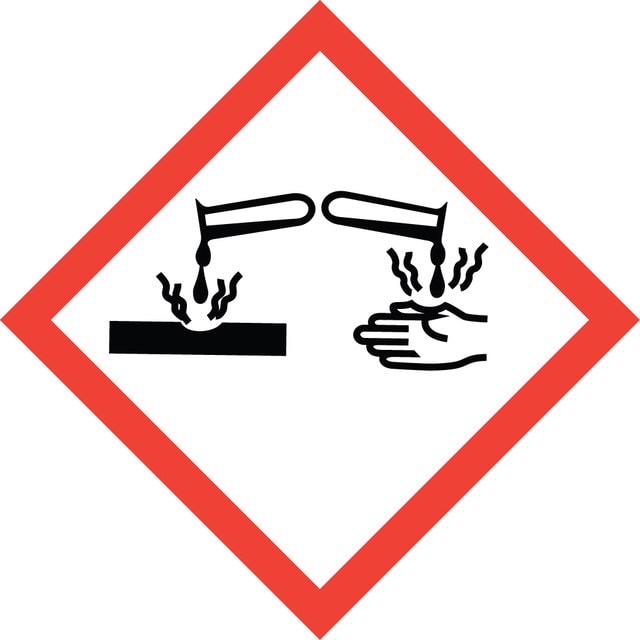
Signal Word

Danger

Hazard Classifications

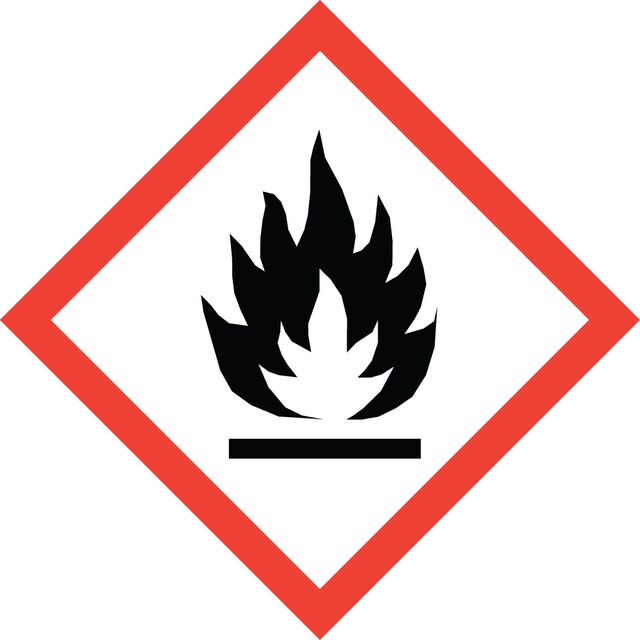
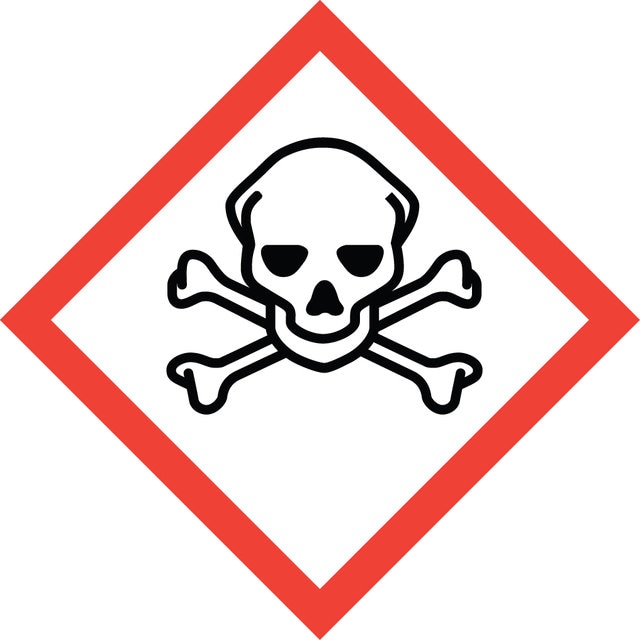
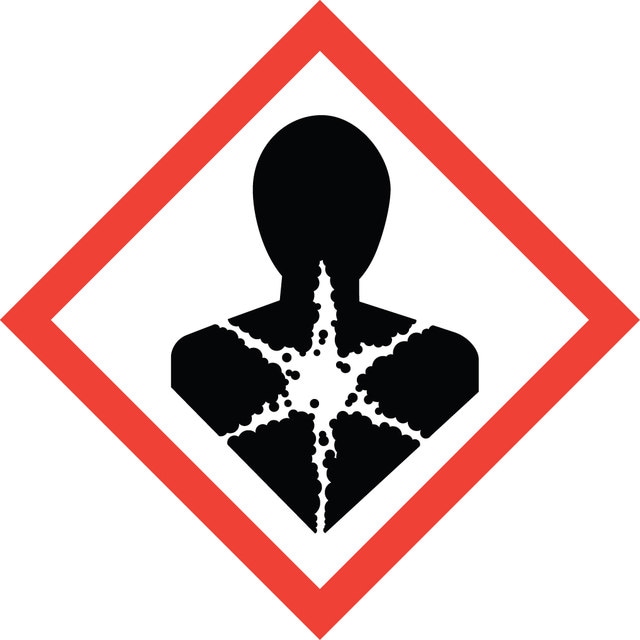
Acute Tox. 2 Inhalation - Acute Tox. 4 Oral - Carc. 2 - Eye Dam. 1 - Flam. Liq. 2 - Resp. Sens. 1 - Skin Sens. 1 - STOT SE 3

Target Organs

Respiratory system

Supplementary Hazards

Storage Class Code

3 - Flammable liquids

WGK

WGK 3

Flash Point(F)

2.0 °F

Flash Point(C)

-16.66 °C


Choose from one of the most recent versions:

Certificates of Analysis (COA)

Lot/Batch Number

Don't see the Right Version?

If you require a particular version, you can look up a specific certificate by the Lot or Batch number.

Already Own This Product?

Find documentation for the products that you have recently purchased in the Document Library.

Visit the Document Library

Tetrahedron Letters, 35, 5981-5981 (1994)
Collection of Czechoslovak Chemical Communications, 59, 691-691 (1994)
Stéphane Chantepie et al.
PloS one, 10(7), e0133140-e0133140 (2015-07-29)
Do all traits within an organism age for the same reason? Evolutionary theories of aging share a common assumption: the strength of natural selection declines with age. A corollary is that additive genetic variance should increase with age. However, not
Cody L Gilleland et al.
Genetics, 201(1), 39-46 (2015-07-15)
A major goal in the study of human diseases is to assign functions to genes or genetic variants. The model organism Caenorhabditis elegans provides a powerful tool because homologs of many human genes are identifiable, and large collections of genetic
P J Weber et al.
Bioorganic & medicinal chemistry letters, 8(6), 597-600 (1999-01-01)
A new method has been developed to synthesize fluorescein labeled peptides, compounds of increasing importance in bioorganic chemistry, cell biology, pharmacology, drug targeting and medicinal chemistry. We show, that 4(5)-carboxyfluorescein is much more efficient than the hitherto predominantly utilized reagents

Questions

Reviews

No rating value

Active Filters

Our team of scientists has experience in all areas of research including Life Science, Material Science, Chemical Synthesis, Chromatography, Analytical and many others.

Contact Technical Service