
C-045

Cannabidiol solution
1.0 mg/mL in methanol, ampule of 1 mL, certified reference material, Cerilliant®
Synonym(s):
CBD
Select a Size
About This Item
Product Name
Cannabidiol solution, 1.0 mg/mL in methanol, ampule of 1 mL, certified reference material, Cerilliant®
InChI key
QHMBSVQNZZTUGM-ZWKOTPCHSA-N
InChI
1S/C21H30O2/c1-5-6-7-8-16-12-19(22)21(20(23)13-16)18-11-15(4)9-10-17(18)14(2)3/h11-13,17-18,22-23H,2,5-10H2,1,3-4H3/t17-,18+/m0/s1
SMILES string
CCCCCc1cc(O)c([C@@H]2C=C(C)CC[C@H]2C(C)=C)c(O)c1
grade
certified reference material
form
liquid
feature
SNAP-N-SPIKE®, SNAP-N-SHOOT®
packaging
ampule of 1 mL
manufacturer/tradename
Cerilliant®
concentration
1.0 mg/mL in methanol
technique(s)
gas chromatography (GC): suitable
liquid chromatography (LC): suitable
application(s)
cannabis testing
cannabis testing
format
single component solution
storage temp.
−20°C
Quality Level
Gene Information
human ... CNR1(1268)
Looking for similar products? Visit Product Comparison Guide
Application
- Determination of four cannabinoids from an oil matrix using reversed-phase high-performance liquid chromatography (RP-HPLC) combined with a diode array detector (DAD)
- Development and validation of a liquid chromatography-tandem mass spectrometry (LC-MS/MS) based technique to measure cannabidiol, ∆9-tetrahydrocannabinol, and its metabolites in whole blood samples obtained from rats administered a high dose of cannabidiol
- Simultaneous determination of cannabidiol and tetrahydrocannabinol in different hemp oil-containing products using isocratic RP-HPLC coupled with UV detection
- Multi-analysis of hair samples for Δ9-tetrahydrocannabinol, cannabinol, and cannabidiol by liquid-liquid extraction (LLE) followed by gas chromatography-mass spectrometry based quantification
- Ultrasound-assisted extraction of cannabidiol from three different commercial topical products followed by GC-MS based determination
Features and Benefits
- Fully characterized under ISO/IEC 17025 and ISO 17034 accreditation
- Accompanied with a comprehensive Certificate of Analysis (CoA) with data on stability, homogeneity, accuracy of concentration, uncertainty, and traceability
- Rigorously tested through real-time stability studies to ensure accuracy and shelf life
- Gravimetrically prepared using qualified precision balances to ensure minimal uncertainty
- Flame sealed under argon into ampoules for long-term shelf life
- Offered in a convenient, DEA-exempt format to improve laboratory efficiency
General description
Cannabidiol (CBD) is one of the important cannabinoids found in plants of the Cannabaceae family known for its non-psychoactive properties. It forms upon the decarboxylation of its precursor cannabidiolic acid in the presence of light or heat. It shows various therapeutic properties, such as antioxidative, anti-inflammatory, antimicrobial, neuroprotective, anxiolytic, and anticonvulsant.
Legal Information
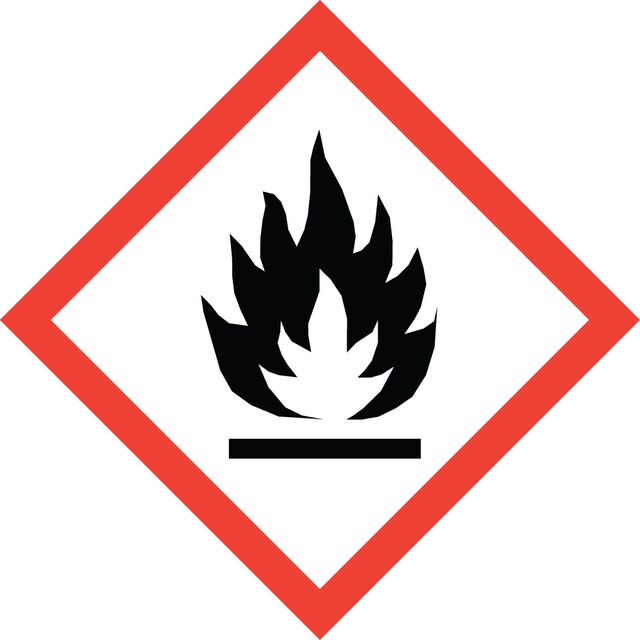
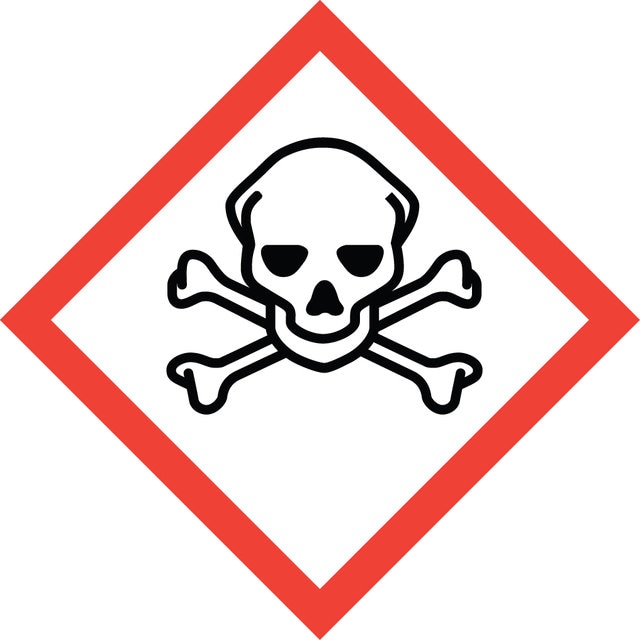
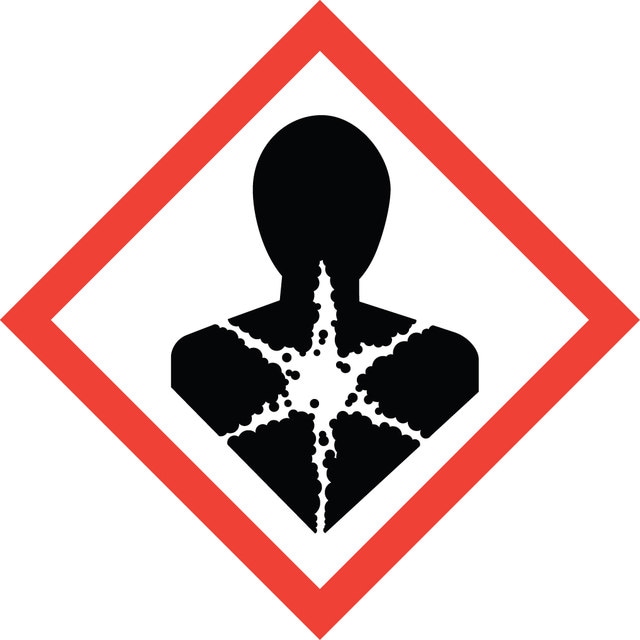
signalword
Danger
Hazard Classifications
Acute Tox. 3 Dermal - Acute Tox. 3 Inhalation - Acute Tox. 3 Oral - Flam. Liq. 2 - STOT SE 1
target_organs
Eyes,Central nervous system
Storage Class
3 - Flammable liquids
wgk
WGK 2
flash_point_f
49.5 °F - closed cup
flash_point_c
9.7 °C - closed cup
Certificates of Analysis (COA)
Search for Certificates of Analysis (COA) by entering the products Lot/Batch Number. Lot and Batch Numbers can be found on a product’s label following the words ‘Lot’ or ‘Batch’.
Already Own This Product?
Find documentation for the products that you have recently purchased in the Document Library.
Our team of scientists has experience in all areas of research including Life Science, Material Science, Chemical Synthesis, Chromatography, Analytical and many others.
Contact Technical Service