Skip to Content
Merck

48554

N-Nitrosodi-n-propylamine

analytical standard

Synonym(s):

NDPA

Sign In to View Organizational & Contract Pricing.

Select a Size


About This Item

Empirical Formula (Hill Notation):
C6H14N2O
CAS Number:
Molecular Weight:
130.19
UNSPSC Code:
12352200
PubChem Substance ID:
EC Number:
210-698-0
MDL number:
NACRES:
NA.24
Technical Service
Need help? Our team of experienced scientists is here for you.
Let Us Assist
Technical Service
Need help? Our team of experienced scientists is here for you.
Let Us Assist

Product Name

N-Nitrosodi-n-propylamine, analytical standard

InChI key

YLKFDHTUAUWZPQ-UHFFFAOYSA-N

InChI

1S/C6H14N2O/c1-3-5-8(7-9)6-4-2/h3-6H2,1-2H3

SMILES string

CCCN(CCC)N=O

grade

analytical standard

CofA

current certificate can be downloaded

packaging

ampule of 100 mg

manufacturer/tradename

Manufactured by: Sigma-Aldrich Production GmbH, Switzerland

technique(s)

HPLC: suitable
gas chromatography (GC): suitable

application(s)

cleaning products
cosmetics
environmental
food and beverages
personal care

format

neat

storage temp.

2-30°C

Quality Level

Looking for similar products? Visit Product Comparison Guide

Analysis Note

Refer to the product′s Certificate of Analysis for more information on a suitable instrument technique. Contact Technical Service for further support.

Application

N-Nitrosodi-n-propylamine may be used as an analytical reference standard for the determination of volatile nitrosamines in meat samples using gas chromatography coupled with flame ionization detector (GC-FID) technique.

General description

Nitrosamines are chemical compounds that can form during drug manufacturing and may pose health risks, including carcinogenicity.
N-Nitrosodi-n-propylamine solution is commonly employed as a reference compound in analytical chemistry. It is utilized in chromatographic and spectrometric techniques for the detection and quantification of nitrosamines in chemical, pharmaceutical, and environmental matrices.


signalword

Danger

Hazard Classifications

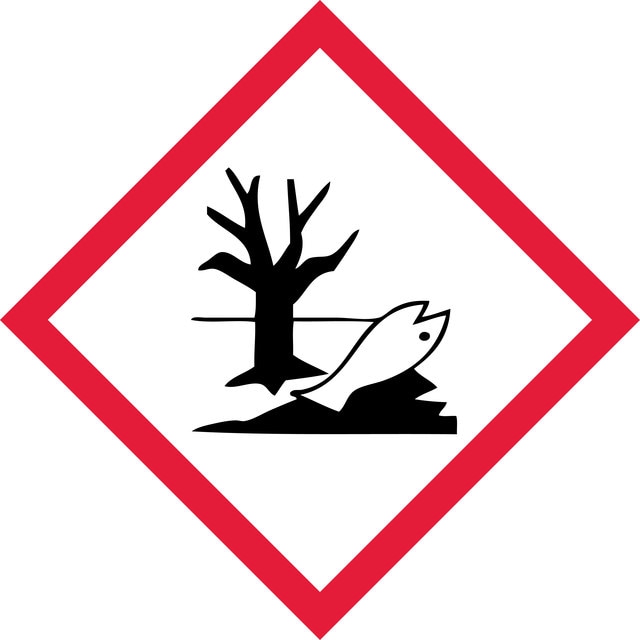
Acute Tox. 4 Oral - Aquatic Chronic 2 - Carc. 1B

Storage Class

6.1C - Combustible acute toxic Cat.3 / toxic compounds or compounds which causing chronic effects

wgk

WGK 3

flash_point_f

Not applicable

flash_point_c

Not applicable

ppe

Eyeshields, Faceshields, Gloves, type ABEK (EN14387) respirator filter


Choose from one of the most recent versions:

Certificates of Analysis (COA)

Lot/Batch Number

Don't see the Right Version?

If you require a particular version, you can look up a specific certificate by the Lot or Batch number.

Already Own This Product?

Find documentation for the products that you have recently purchased in the Document Library.

Visit the Document Library

Development and validation of GC-FID method for the determination of volatile N-nitrosamines in meat
Al-Kaseem M, et al.
International Journal of Pharmaceutical Sciences Review and Research, 25, 59-64 (2014)
A new method for quantifying N-nitrosamines in wastewater samples by gas chromatography?triple quadrupole mass spectrometry.
Yoon S, et al.
Talanta, 97, 256-261 (2012)
S M Billedeau et al.
Journal - Association of Official Analytical Chemists, 67(3), 557-562 (1984-05-01)
A rapid and sensitive procedure is described for determining 4 N-nitrosodialkylamines (dimethyl, diethyl, dipropyl, and dibutyl) and the N-nitroso analogs of piperidine, pyrrolidine, and morpholine in animal feed. The volatile N-nitrosamines were isolated by using a modified high temperature purge
J G Farrelly et al.
Carcinogenesis, 5(8), 1015-1019 (1984-08-01)
Nitrosodiallylamine has been reported to be non-carcinogenic in rats while nitrosodipropylamine and nitrosodiethanolamine are liver carcinogens. That nitrosodipropylamine is metabolized at the alpha-position by liver microsomes from Fischer-344 rats supports the widely held contention that such metabolism is responsible for
D Wotherspoon et al.
Journal - Association of Official Analytical Chemists, 71(2), 333-336 (1988-03-01)
A quick method for determining N-nitrosodipropylamine (NDPA) levels in trifluralin emulsifiable concentrate formulations is described. At least 18 samples can be analyzed at one time in a minimum of fumehood space, with up to 90% savings on solvents and materials.

Our team of scientists has experience in all areas of research including Life Science, Material Science, Chemical Synthesis, Chromatography, Analytical and many others.

Contact Technical Service