
417246

Dimethylzinc solution
1.0 M in heptane
Synonym(s):
Dimethylzinc
Select a Size
$442.00
About This Item
Skip To
Product Name
Dimethylzinc solution, 1.0 M in heptane
InChI
1S/2CH3.Zn/h2*1H3;
SMILES string
C[Zn]C
InChI key
AXAZMDOAUQTMOW-UHFFFAOYSA-N
form
liquid
concentration
1.0 M in heptane
bp
44-46 °C
density
0.724 g/mL at 25 °C
Quality Level
Looking for similar products? Visit Product Comparison Guide
Related Categories
1 of 4
This Item | 220809 | 406023 | 296112 |
|---|---|---|---|
| density 0.724 g/mL at 25 °C | density 0.915 g/mL at 25 °C | density 0.74 g/mL at 25 °C | density 0.726 g/mL at 25 °C |
| Quality Level 100 | Quality Level 100 | Quality Level 100 | Quality Level 100 |
| concentration 1.0 M in heptane | concentration 15 wt. % in toluene | concentration 1.0 M in heptane | concentration 1.0 M in hexanes |
| bp 44-46 °C | bp - | bp 98 °C | bp - |
| form liquid | form liquid | form liquid | form - |


Application
- A catalyst with nickel for the stereoselective C−2 alkenylation and dialkenylation of pyridine derivatives by alkynes to give monoalkenylation products.[1]
- A reagent with aldehydes and 2-methoxyaniline for the synthesis of enantioselective alkyl and aralkyl secondary amines via one-pot three-component coupling reaction in the presence of zirconium tetraisopropoxide.[2]
- A methylating reagent for methylation of fluoroalkylated pyruvates in the presence of copper/chiral diphosphine catalyst.[3]
General description
Dimethylzinc is a diorganozinc reagent and nucleophile used in the synthesis of propargylic amines. [7][6]
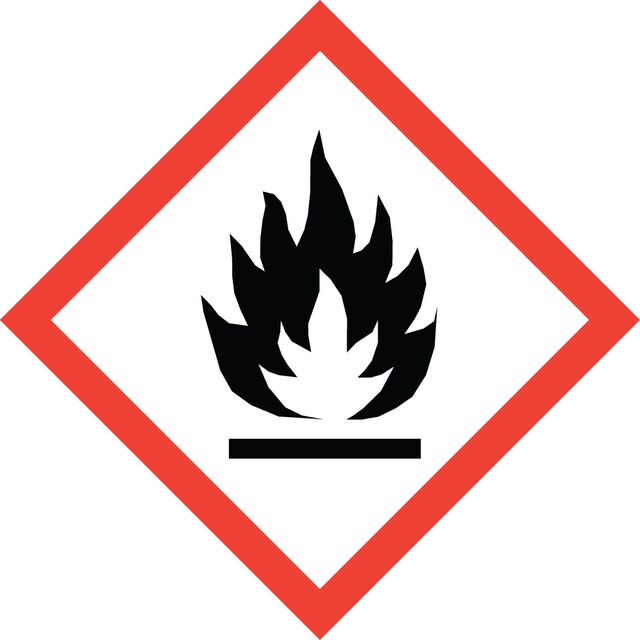
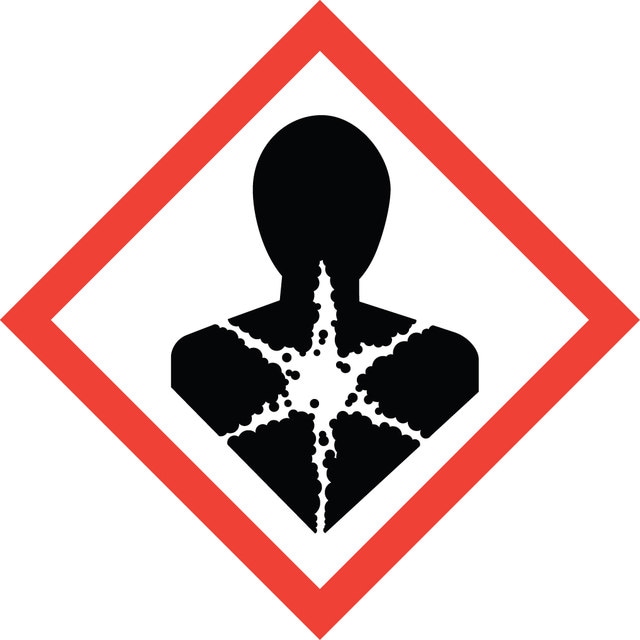
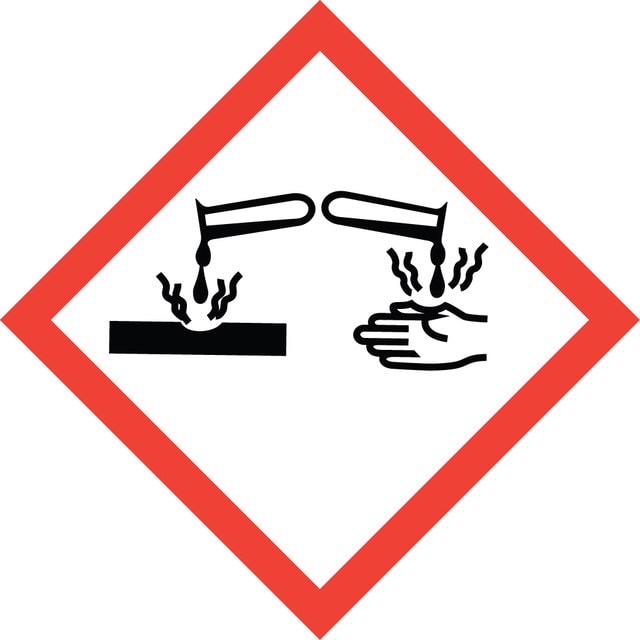

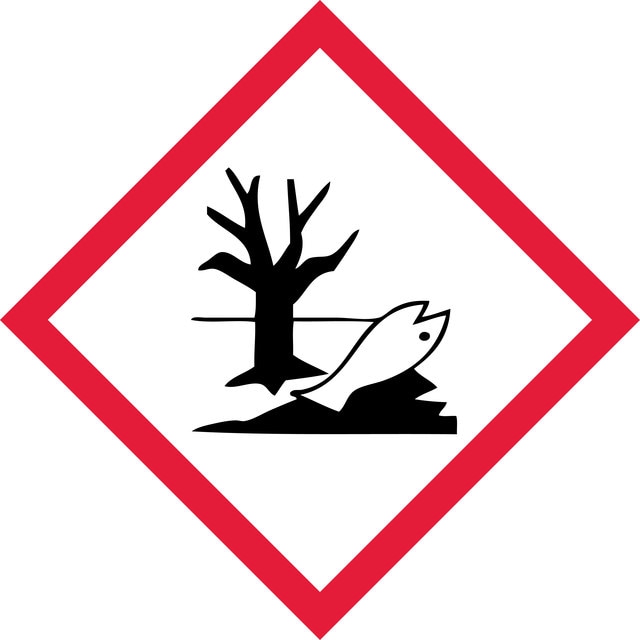
signalword
Danger
Hazard Classifications
Aquatic Acute 1 - Aquatic Chronic 1 - Asp. Tox. 1 - Eye Dam. 1 - Flam. Liq. 2 - Pyr. Liq. 1 - Skin Corr. 1B - STOT SE 3 - Water-react 2
target_organs
Central nervous system
Storage Class
4.2 - Pyrophoric and self-heating hazardous materials
wgk
WGK 3
flash_point_f
30.2 °F - closed cup
flash_point_c
-1 °C - closed cup
ppe
Faceshields, Gloves, Goggles
Choose from one of the most recent versions:
Already Own This Product?
Find documentation for the products that you have recently purchased in the Document Library.
Active Filters
Our team of scientists has experience in all areas of research including Life Science, Material Science, Chemical Synthesis, Chromatography, Analytical and many others.
Contact Technical Service