Skip to Content
Merck

M47949

2-Methylheptane

98%

Synonym(s):

2-Methylheptane

Sign In to View Organizational & Contract Pricing

Select a Size

Pricing and availability is not currently available.

About This Item

Linear Formula:
CH3(CH2)4CH(CH3)2
CAS Number:
Molecular Weight:
114.23
Beilstein:
1696862
EC Number:
MDL number:
UNSPSC Code:
12352100
PubChem Substance ID:
NACRES:
NA.22

Skip To

Technical Service
Need help? Our team of experienced scientists is here for you.
Let Us Assist

vapor pressure

0.77 psi ( 37.7 °C)

Quality Level

Assay

98%

form

liquid

refractive index

n20/D 1.395 (lit.)

bp

116 °C/761 mmHg (lit.)

density

0.698 g/mL at 25 °C (lit.)

SMILES string

CCCCCC(C)C

InChI

1S/C8H18/c1-4-5-6-7-8(2)3/h8H,4-7H2,1-3H3

InChI key

JVSWJIKNEAIKJW-UHFFFAOYSA-N

Looking for similar products? Visit Product Comparison Guide

Compare Similar Items

View Full Comparison

Show Differences

1 of 4

This Item
M47957M49801M49704
assay

98%

assay

98%

assay

99%

assay

99%

Quality Level

100

Quality Level

100

Quality Level

100

Quality Level

100

bp

116 °C/761 mmHg (lit.)

bp

118 °C (lit.)

bp

91 °C (lit.)

bp

90 °C (lit.)

density

0.698 g/mL at 25 °C (lit.)

density

0.705 g/mL at 25 °C (lit.)

density

0.687 g/mL at 25 °C (lit.)

density

0.679 g/mL at 25 °C (lit.)

refractive index

n20/D 1.395 (lit.)

refractive index

n20/D 1.398 (lit.)

refractive index

n20/D 1.388 (lit.)

refractive index

n20/D 1.384 (lit.)

form

liquid

form

liquid

form

liquid

form

liquid

Signal Word

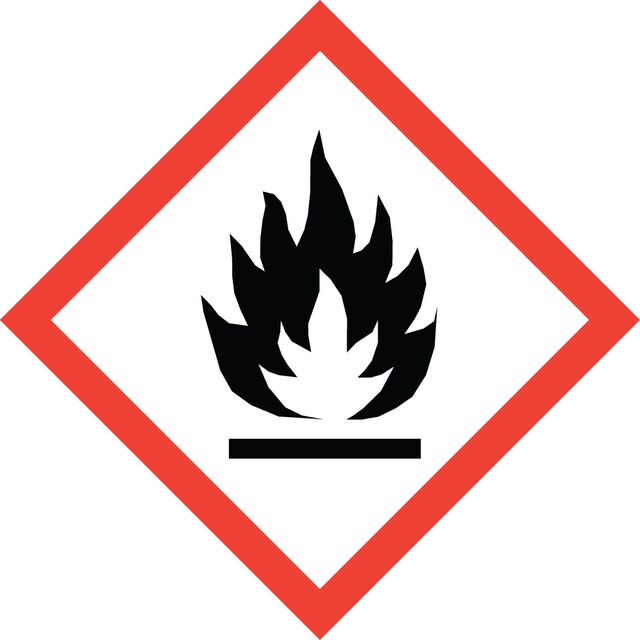
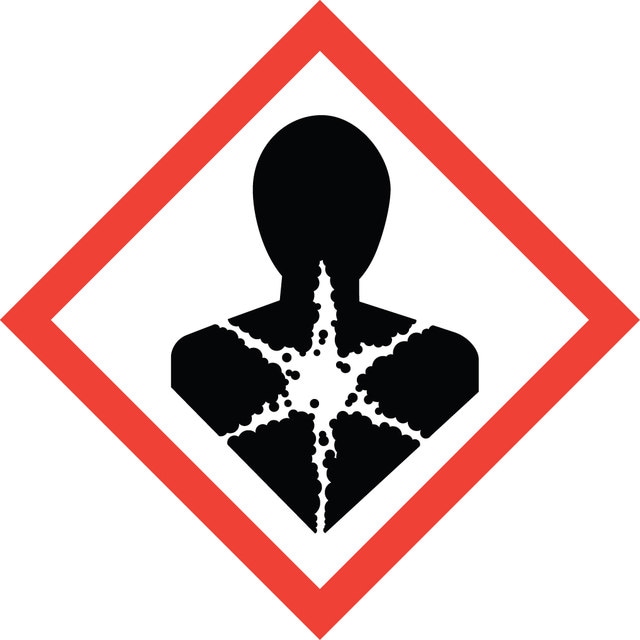
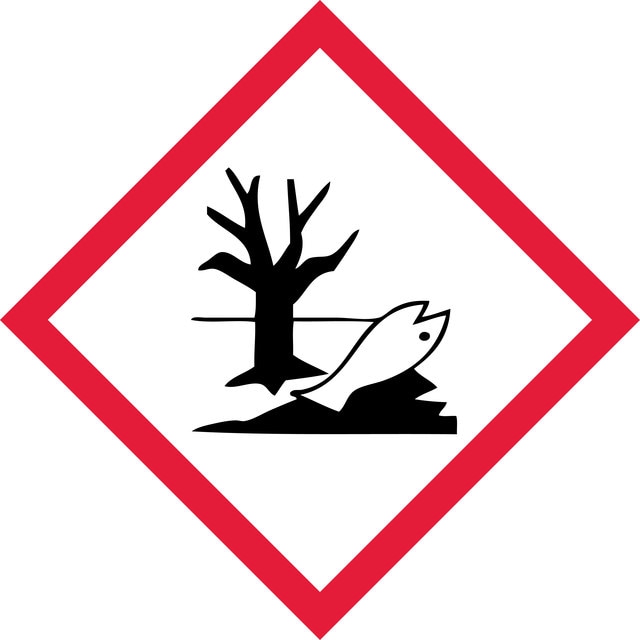
Danger

Hazard Statements

Hazard Classifications

Aquatic Acute 1 - Aquatic Chronic 1 - Asp. Tox. 1 - Flam. Liq. 2 - Skin Irrit. 2 - STOT SE 3

Target Organs

Central nervous system

Storage Class Code

3 - Flammable liquids

WGK

WGK 2

Flash Point(F)

39.2 °F - closed cup

Flash Point(C)

4 °C - closed cup

Personal Protective Equipment

dust mask type N95 (US), Eyeshields, Gloves

Choose from one of the most recent versions:

Certificates of Analysis (COA)

Lot/Batch Number

Don't see the Right Version?

If you require a particular version, you can look up a specific certificate by the Lot or Batch number.

Already Own This Product?

Find documentation for the products that you have recently purchased in the Document Library.

Visit the Document Library

Naser Mohammadpour Dounighi et al.
Current pharmaceutical design, 23(18), 2665-2672 (2017-01-13)
There is no doubt about the whole cell pertussis vaccine efficacy, but it is necessary to improve the vaccine quality specially to decrease its toxicity by obtaining good immunogenicity with low bacterial content. In this work, under optimum condition inactivated
Isabel Natalia Sierra-Garcia et al.
Extremophiles : life under extreme conditions, 21(1), 211-229 (2016-12-05)
Microorganisms have shown their ability to colonize extreme environments including deep subsurface petroleum reservoirs. Physicochemical parameters may vary greatly among petroleum reservoirs worldwide and so do the microbial communities inhabiting these different environments. The present work aimed at the characterization
Daniel P Killeen et al.
Journal of agricultural and food chemistry, 65(17), 3551-3558 (2017-04-20)
Fish oils are the primary dietary source of ω-3 polyunsaturated fatty acids (PUFA), but these compounds are prone to oxidation, and commercial fish oil supplements sometimes contain less PUFA than claimed. These supplements are predominantly sold in softgel capsules. In
Feras Abujaber et al.
Talanta, 201, 266-270 (2019-05-28)
Magnetic cellulose nanoparticles (MCNPs) were used for the first time as sorbents for stir bar-sorptive dispersive microextraction (SBSDME). The main experimental parameters involved in the SBSDME process that affect extraction (i.e. amount of MCNPs, ionic strength, pH, extraction and back-extraction
Erika Bruni et al.
International journal of environmental research and public health, 17(1) (2020-01-08)
Wastewater carries different pathogenic and non-pathogenic microorganisms that can be dispersed in the surrounding environment. Workers who frequent sewage treatment plants can therefore be exposed to aerosols that contain a high concentration of potentially dangerous biological agents, or they can

Questions

Reviews

No rating value

Active Filters

Our team of scientists has experience in all areas of research including Life Science, Material Science, Chemical Synthesis, Chromatography, Analytical and many others.

Contact Technical Service