Skip to Content
MilliporeSigma
Get 22% off for Pi Day through March 31.Save Now

Skip To

1.09293

KOVACS′ indole reagent

for detecting microbial indole in the identification of indole-positive and indole-negative microorganisms, suitable for microbiology

Synonym(s):

4-(Dimethylamino)benzaldehyde solution, Indole reagent, Kovac′s reagent, Kovac′s reagent for indoles

Sign In to View Organizational & Contract Pricing.

Select a Size

Change View
Pack SizeSKUAvailabilityPrice
100 mL
Check Cart for Availability
$66.50

About This Item

NACRES:
NA.21
UNSPSC Code:
41106212

$66.50


Check Cart for Availability

Request more information
Technical Service
Need help? Our team of experienced scientists is here for you.
Let Us Assist

Quality Level

form

liquid

packaging

pkg of 100 mL

technique(s)

microbe id | specific enzyme detection: suitable

color

yellow

pH

<1 (20 °C in H2O)

transition temp

flash point 36 °C

density

0.92 g/cm3 at 20 °C

application(s)

microbiology

storage temp.

2-8°C

Looking for similar products? Visit Product Comparison Guide

Compare Similar Items

View Full Comparison

Show Differences

1 of 1

This Item
1.113506730960983
packaging

pkg of 100 mL

packaging

pkg of (1 x 30 ml, Plastic bottle)

packaging

-

packaging

-

density

0.92 g/cm3 at 20 °C

density

0.92 g/cm3 at 20 °C

density

-

density

-

color

yellow

color

-

color

-

color

-

application(s)

microbiology

application(s)

environmental
food and beverages

application(s)

agriculture
clinical testing
environmental
food and beverages, microbiology

application(s)

agriculture
clinical testing
environmental
food and beverages, microbiology

form

liquid

form

liquid (ready-to-use)

form

-

form

-

suitability

Escherichia coli, enterovirulent E. coli (EEC) spp.

suitability

Enterobacter spp., Escherichia coli

suitability

Escherichia coli, coliforms

suitability

Escherichia coli, coliforms

General description

Kovac′s reagent is a biochemical reagent composed of n-Butanol, hydrochloric acid, and 4-dimethylaminobenzaldehyde. It is used for the detection of indole producing microorganisms. Tryptophan is abundant in trypticalle digested peptone. Some microorganisms can cleave tryptophan to give pyruvic acid, ammonia, and indole. Indole then reacts with 4-dimethylaminobenzaldehyde to form a dark red dye. As tryptophan also gives a color reaction with 4 dimethylaminobenzaldehyde, it must be separated from the indole. This is achieved by selectively extracting indole with butanol.

Application

Kovac′s Indole reagent is used for the detection of indole producing microorganisms in food and beverages, and environmental samples. This is suitable for the identification of E. coli.

Preparation Note

No metal containers. Keep the container tightly closed in a dry and well-ventilated place. Keep away from heat and sources of ignition

Analysis Note

Indole formation (Escherichia coli ATCC 25922 (WDCM 00013)): +
Indole formation (Proteus vulgaris ATCC 8427): +
Indole formation (Enterobacter aerogenes ATCC 13048): -
Tested in DEV-Tryptophan broth art. no. 1.10694. (after incubation 24 hrs.; 35 °C aerobic).

Other Notes

The reagent solution must be stored in the dark in the refrigerator, otherwise it may turn brown and cannot be used.

signalword

Danger

Hazard Classifications

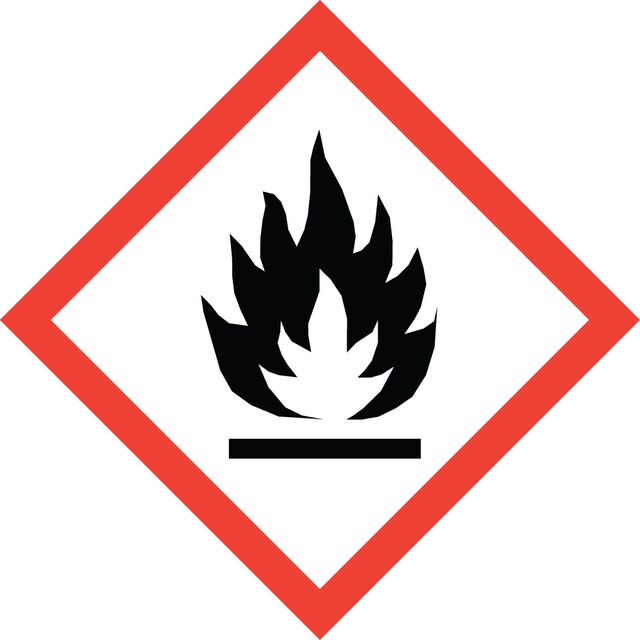
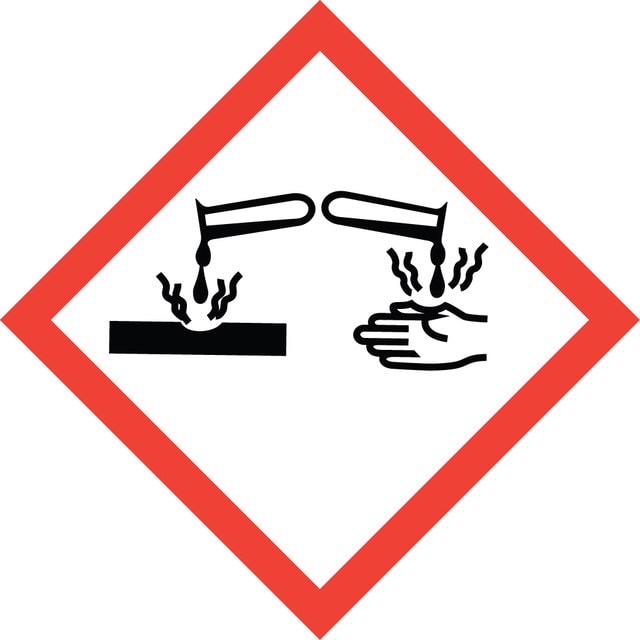
Acute Tox. 4 Oral - Eye Dam. 1 - Flam. Liq. 3 - Met. Corr. 1 - Skin Corr. 1 - Skin Sens. 1

Storage Class

3 - Flammable liquids

wgk

WGK 1

flash_point_f

96.8 °F

flash_point_c

36 °C


Certificates of Analysis (COA)

Search for Certificates of Analysis (COA) by entering the products Lot/Batch Number. Lot and Batch Numbers can be found on a product’s label following the words ‘Lot’ or ‘Batch’.

Already Own This Product?

Find documentation for the products that you have recently purchased in the Document Library.

Visit the Document Library

Protocols

EN ISO 6579-1 standard specifies detection of Salmonella spp. in human consumption, animal feed, and environmental samples.

Global Trade Item Number

SKUGTIN
109293010004022536113227

Questions

Reviews

No rating value

Active Filters

Our team of scientists has experience in all areas of research including Life Science, Material Science, Chemical Synthesis, Chromatography, Analytical and many others.

Contact Technical Service