
03-0205-00

SMC® Human TDP-43 Immunoassay Kit
Used for ultrasensitive quantification of Human TDP-43 in human serum, plasma, and cerebrospinal fluid (CSF)
Synonym(s):
TDP-43 Single Molecule Counting kit, TDP-43 immunoassay kit, TDP-43 ultra-sensitive immunoassay, Transactive Response DNA-binding Protein 43 immunoassay kit
Select a Size
About This Item
Quality Level
product line
SMC®
usage
kit sufficient for 96 wells
species reactivity
human
manufacturer/tradename
SMC®
parameter
100 μL sample volume (CSF)
12.5 μL sample volume (serum and plasma)
technique(s)
single molecule counting: suitable
input
serum
plasma (K2 EDTA)
cerebrospinal fluid (CSF)
cerebrospinal fluid (CSF)
plasma
UniProt accession no.
compatibility
for use with FemtoQuest™ and SMCxPRO® instruments
shipped in
wet ice
storage temp.
2-8°C
General description
Application
Biochem/physiol Actions
Features and Benefits
- Ultra-Sensitive Measurement: Detects TDP-43 down to fg/mL levels in serum, plasma and CSF.
- Reliable Data: Enhanced dynamic range with improved signal-to-noise ratio ensures accurate and dependable results.
- Easy to Adopt: Familiar sandwich immunoassay format allows researchers with ELISA experience to quickly adopt the technology into their workflow.
- Automated Workflow: Compatible with automated liquid handling systems, to reduce manual steps and boosts laboratory productivity.
- Expert Support: Technical assistance is provided by specialized field scientists and technical teams.
Packaging
Analysis Note
- Sensitivity: LLOQ 5,210 fg/mL* (SMCxPRO® Instrument)
- Standard Curve Range: 2,600-6,000,000 fg/mL
- Intra-assay CV: <15%
- Inter-assay CV: <20%
- Linearity: Serum: 105% Plasma 103% CSF: 103%
- Recovery: Serum: 96% Plasma: 100% CSF: 89%
Legal Information
Disclaimer

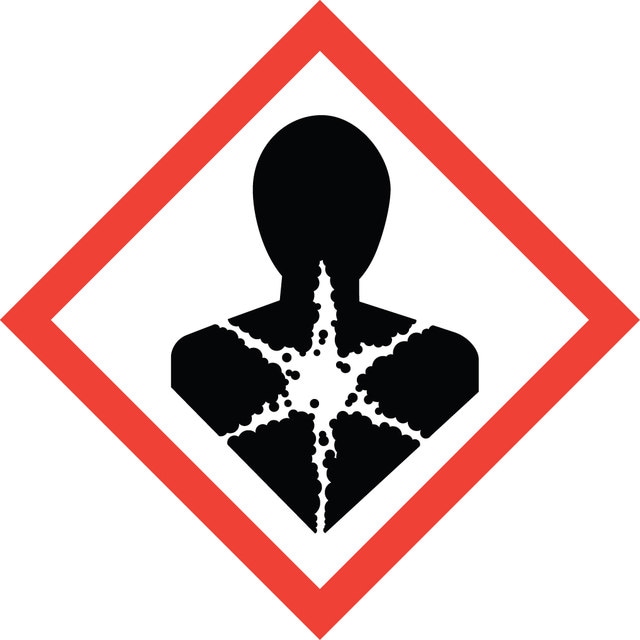
Signal Word
Danger
Hazard Statements
Precautionary Statements
Hazard Classifications
Acute Tox. 3 Dermal - Acute Tox. 4 Inhalation - Acute Tox. 4 Oral - Aquatic Chronic 3 - Eye Irrit. 2 - Repr. 1B
Storage Class Code
6.1D - Non-combustible acute toxic Cat.3 / toxic hazardous materials or hazardous materials causing chronic effects
Flash Point(F)
Not applicable
Flash Point(C)
Not applicable
Certificates of Analysis (COA)
Search for Certificates of Analysis (COA) by entering the products Lot/Batch Number. Lot and Batch Numbers can be found on a product’s label following the words ‘Lot’ or ‘Batch’.
Already Own This Product?
Find documentation for the products that you have recently purchased in the Document Library.
Related Content
Discover how to expand neuroscience biomarker research with high sensitivity immunoassays, such as Single Molecule Counting (SMC®) assays. These assays give researchers the tools they need to detect low-abundant blood-based biomarkers and expand biomarker options in neuroscience research.
Explore ultrasensitive immunoassay technology with SMC® technology, including its biomarker detection platform, advantages of high sensitivity assays, and more.
Explore high-sensitivity SMC® neurology immunoassays that precisely measure low levels of neurology protein analytes, such as NF-L or Tau proteins.
Encontre imunoensaios para explorar neuroimunologia e citocinas de neuroinflamação e biomarcadores de doenças neurodegenerativas.
Our team of scientists has experience in all areas of research including Life Science, Material Science, Chemical Synthesis, Chromatography, Analytical and many others.
Contact Technical Service