Accéder au contenu
MilliporeSigma

PD1

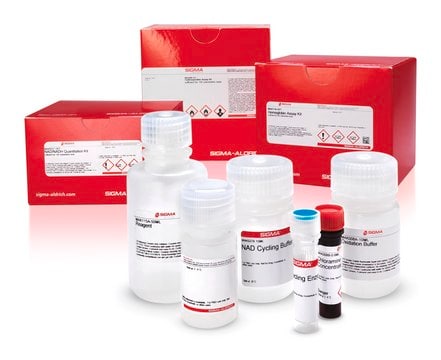
PeroxiDetect Kit

Synonyme(s) :

Peroxidase assay kit

Se connecter pour consulter les tarifs organisationnels et contractuels.

Sélectionner une taille de conditionnement

1 KIT

612,00 $

612,00 $


Veuillez contacter notre Service Clients pour connaître la disponibilité de ce produit.

Demander une commande groupée

A propos de cet article

NACRES:
NA.32
UNSPSC Code:
41116158

Passer à

Service technique
Besoin d'aide ? Notre équipe de scientifiques expérimentés est là pour vous.
Laissez-nous vous aider

storage temp.

2-8°C

Quality Level

Comparer avec des articles similaires

Voir la comparaison complète

Montrer les différences

1 of 4

Cet article
CGP1CAT100RAB0408
storage temp.

2-8°C

storage temp.

−20°C

storage temp.

2-8°C

storage temp.

−20°C

Quality Level

200

Quality Level

200

Quality Level

200

Quality Level

-

Application

For the determination of aqueous peroxides and lipid hydroperoxides. Peroxides serve as a source for hydroxyl or peroxyl reactive radicals. These radicals can interact with DNA, proteins or lipid components of cells, causing cell damage that could lead to cell death. The measurement of peroxides in biological systems is an important factor in determining the degree of free radicals present in specific tissues. Lipid peroxidation has been proposed to contribute to various pathophysiological cell and tissue abnormalities. For example, increased levels of lipid peroxidation products in red blood cells were found to correlate well with the onset of diabetes mellitus in pregnant women. Cholesterol hydroperoxides accumulate in patients having excessive blood alcohol. Measurement of hydrogen peroxide in tissues has been used to study several aspects of free radical damage such as skin aging as induced by UV light and the effect of H2O2 as an inducer of elevated tyrosinase levels in melanoma cells. H2O2 has been shown to be a potent mitogen for growth-arrested cultured human aortic smooth muscle cells. The PeroxiDetect kit is capable of detection of H2O2 in aqueous solutions in the range of 1-7 nanomoles per reaction volume or of lipid hydroperoxides in organic solvents in the range of 1-16 nanomoles per reaction volume. This kit is based on the fact that peroxides will convert Fe2+ ion to Fe3+ ion at acidic pH. The Fe3+ ion will form a colored adduct with xylenol orange which is observed at 560 nm.
PeroxiDetect Kit is suitable for use:
  • in the quantification of hydroperoxides in synaptosomal preparation[1]
  • in measuring lipid peroxidation in melanoma cells[2]
  • to quantify peroxides in the cerebral cortex[3]
  • intestinal lumen sample[4]

Peroxides will convert Fe2+ to Fe3+ ions under acidic conditions. Fe3+ ions will then form a colored adduct with xylenol orange, which is observed at 560 nm.

General description

The PeroxiDetect Kit For the Determination of Aqueous and Lipid Hydroperoxides was developed for the measurement of peroxides in biological systems, which is an important factor in determining the degree of free radicals present in specific tissues.

Other Notes

Kit contains reagents for 100 tests of aqueous peroxide and 100 tests of organic peroxide.

Legal Information

PeroxiDetect is a trademark of Sigma-Aldrich Co. LLC

signalword

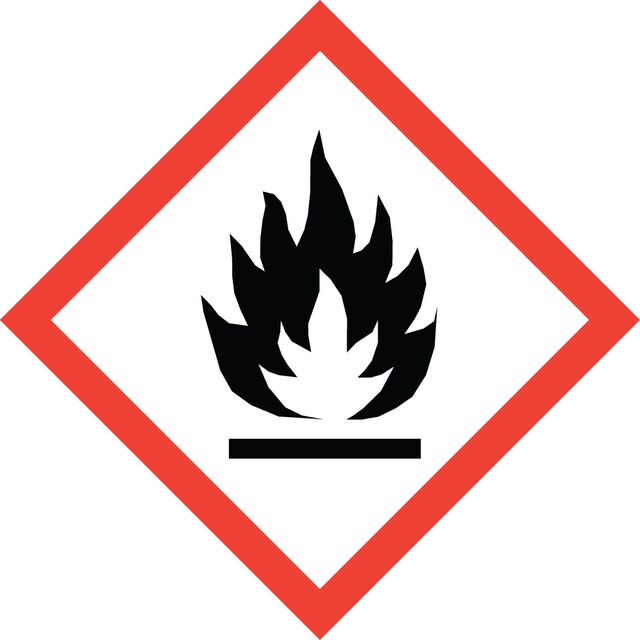
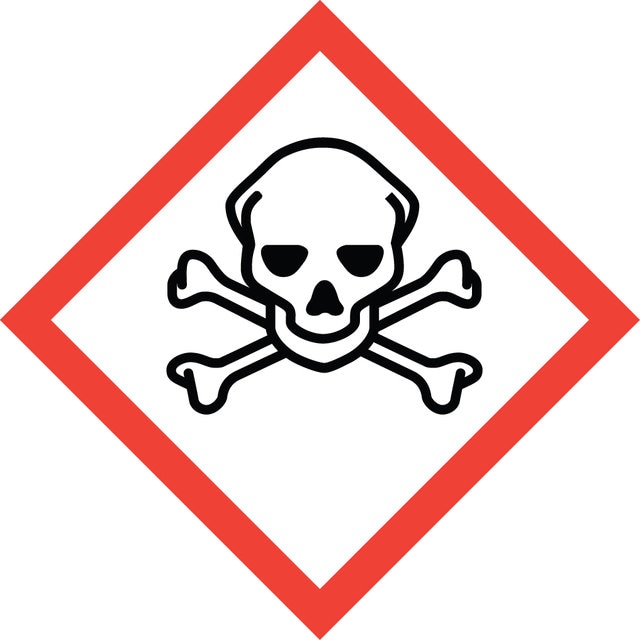
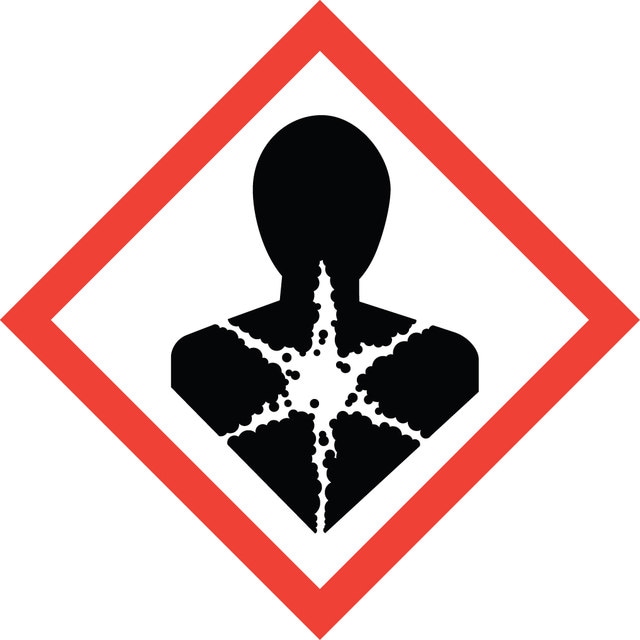
Danger

Hazard Classifications

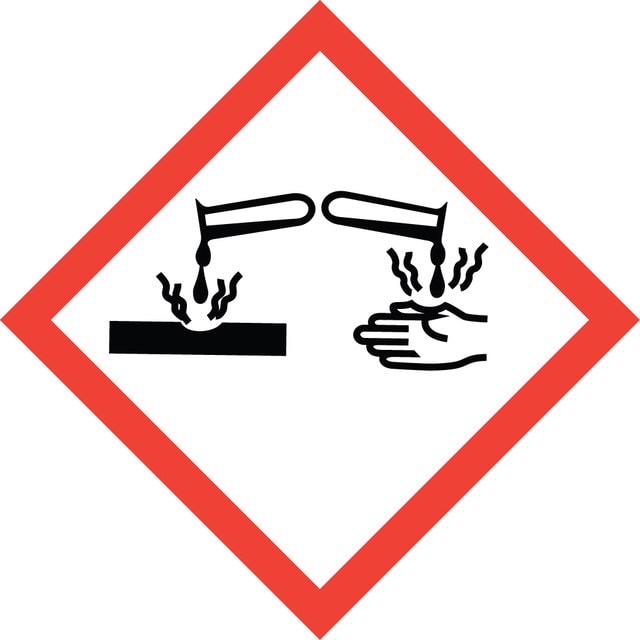
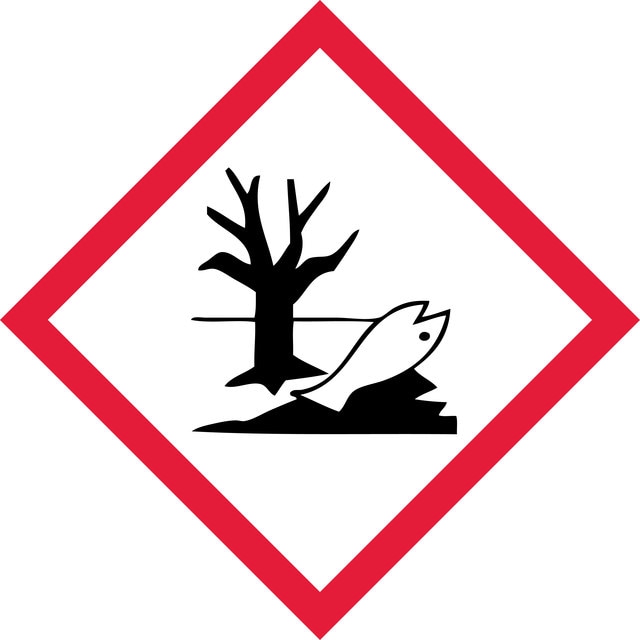
Acute Tox. 2 Inhalation - Acute Tox. 3 Dermal - Acute Tox. 4 Oral - Aquatic Acute 1 - Aquatic Chronic 1 - Eye Dam. 1 - Met. Corr. 1 - Muta. 2 - Org. Perox. C - Skin Corr. 1A - Skin Sens. 1 - STOT SE 3

target_organs

Respiratory system

Classe de stockage

5.2 - Organic peroxides and self-reacting hazardous materials

flash_point_f

Not applicable

flash_point_c

Not applicable


Faites votre choix parmi les versions les plus récentes :

Certificats d'analyse (COA)

Lot/Batch Number

Vous ne trouvez pas la bonne version ?

Si vous avez besoin d'une version particulière, vous pouvez rechercher un certificat spécifique par le numéro de lot.

Déjà en possession de ce produit ?

Retrouvez la documentation relative aux produits que vous avez récemment achetés dans la Bibliothèque de documents.

Consulter la Bibliothèque de documents

Shaida A Andrabi et al.
Proceedings of the National Academy of Sciences of the United States of America, 103(48), 18308-18313 (2006-11-23)
Excessive activation of the nuclear enzyme, poly(ADP-ribose) polymerase-1 (PARP-1) plays a prominent role in various of models of cellular injury. Here, we identify poly(ADP-ribose) (PAR) polymer, a product of PARP-1 activity, as a previously uncharacterized cell death signal. PAR polymer
E Karg et al.
The Journal of investigative dermatology, 100(2 Suppl), 209S-213S (1993-02-01)
The effects of systems generating active oxygen species (superoxide anion, hydrogen peroxide, hydroxyl radical) on tyrosinase have been studied in cultured human melanoma cells. Tyrosinase activity was determined by measuring the quantity of 5-S-L-cysteinyl-L-dopa (5-S-CD) formed in the presence of
J Adachi et al.
Alcoholism, clinical and experimental research, 22(3 Suppl), 103S-107S (1998-06-11)
Profiles of very long-chain fatty acids were studied in the erythrocyte membrane of five alcoholic patients. We identified three fatty acids as cis-16-pentacosenoic acid (C25:1), cis-17-hexacosenoic acid (C26:1), and hexacosenoic acid (C26:1), and hexacosanoic acid (C26:0) by gas chromatography-mass spectrometry.
Formation of malondialdehyde (MDA), 4-hydroxy-2-hexenal (HHE) and 4-hydroxy-2-nonenal (HNE) in fish and fish oil during dynamic gastrointestinal in vitro digestion
Larsson K, et al.
Food & Function, 7(2), 1176-1187 (2016)
Seong-Woon Yu et al.
Proceedings of the National Academy of Sciences of the United States of America, 103(48), 18314-18319 (2006-11-23)
Apoptosis-inducing factor (AIF), a mitochondrial oxidoreductase, is released into the cytoplasm to induce cell death in response to poly(ADP-ribose) (PAR) polymerase-1 (PARP-1) activation. How PARP-1 activation leads to AIF release is not known. Here we identify PAR polymer as a

Contenu apparenté

Questions

Reviews

No rating value

Active Filters

Notre équipe de scientifiques dispose d'une expérience dans tous les secteurs de la recherche, notamment en sciences de la vie, science des matériaux, synthèse chimique, chromatographie, analyse et dans de nombreux autres domaines..

Contacter notre Service technique