
W2020

WR-1065
≥98% (HPLC), reactive oxygen species scavenger, powder
Synonym(s):
2-[(3-Aminopropyl)amino]ethanethiol dihydrochloride, WR-1065 dihydrochloride
Select a Size
| Size/SKU | Availability | Price |
|---|---|---|
10 mg | Please contact Customer Service for Availability | 454,00 PLN |
50 mg | Please contact Customer Service for Availability | 1.830,00 PLN 1.555,50 PLN |
About This Item
Product Name
WR-1065, ≥98% (HPLC)
Quality Segment
assay
≥98% (HPLC)
form
powder
storage condition
desiccated
color
white to off-white
solubility
H2O: ≥20 mg/mL
storage temp.
−20°C
SMILES string
Cl.Cl.NCCCNCCS
InChI
1S/C5H14N2S.2ClH/c6-2-1-3-7-4-5-8;;/h7-8H,1-6H2;2*1H
InChI key
XDRLRDHLCIFZIW-UHFFFAOYSA-N
Biochem/physiol Actions
1 of 1
This Item | |||
|---|---|---|---|
| description ≥98% (HPLC) | description pharmaceutical secondary standard, certified reference material | description United States Pharmacopeia (USP) Reference Standard | description ≥98% (HPLC) |
| form powder | form - | form - | form - |
| assay ≥98% (HPLC) | assay - | assay - | assay ≥98% (HPLC) |
| Quality Level 100 | Quality Level 300 | Quality Level - | Quality Level 100 |
| storage temp. −20°C | storage temp. -10 to -25°C | storage temp. −20°C | storage temp. room temp |
| solubility H2O: ≥20 mg/mL | solubility - | solubility - | solubility DMSO: 5 mg/mL, clear |
| storage condition desiccated | storage condition - | storage condition - | storage condition - |


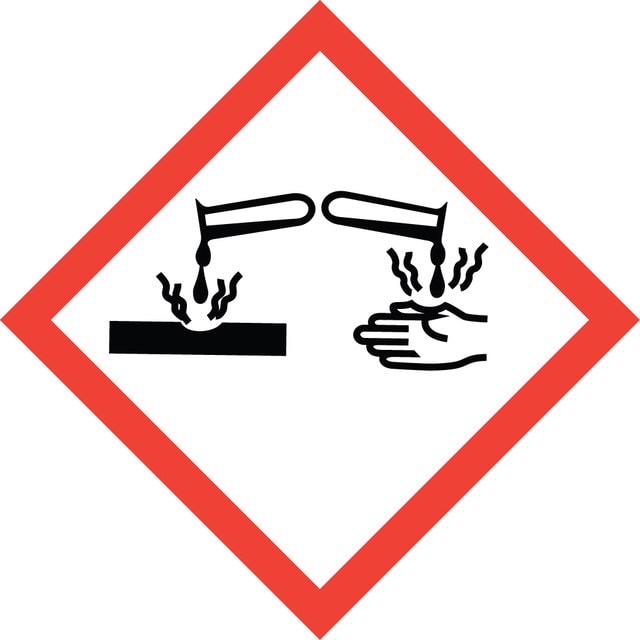

Signal Word
Danger
Hazard Codes
Precautionary Statements
Hazard Classifications
Acute Tox. 4 Oral - Eye Dam. 1
Storage Class
11 - Combustible Solids
WGK
WGK 3
Flash Point (°F)
Not applicable
Flash Point (°C)
Not applicable
Choose from one of the most recent versions:
Already Own This Product?
Find documentation for the products that you have recently purchased in the Document Library.