


This product is stored at room temperature and shipped at ambient temperature year round, globally. Exposure to freezing temperatures for short periods is not expected to impact product integrity. However, should there be any particulates, haziness, or phase separation upon reaching room temperature, it is recommended to discard the material.
Przejdź do
T3934

TRI Reagent®
LS, For processing fluid samples such as cell suspensions, CSF, and amniotic fluid.
Synonim(y):
TRI Reagent® RNA Isolation Reagent
Zaloguj się, aby wyświetlić ceny organizacyjne i kontraktowe.
Wybierz wielkość
Zmień widok
| Rozmiar/SKU | Dostępność | Cena netto |
|---|---|---|
100 mL | Skontaktuj się z Obsługą Klienta, aby uzyskać informacje na temat dostępności | 1970,00 zł |
200 mL | Skontaktuj się z Obsługą Klienta, aby uzyskać informacje na temat dostępności | 2720,00 zł |
Informacje o tej pozycji
1970,00 zł
Skontaktuj się z Obsługą Klienta, aby uzyskać informacje na temat dostępności
Pomoc techniczna
Potrzebujesz pomocy? Nasz zespół doświadczonych naukowców chętnie Ci pomoże.
Pozwól nam pomócQuality Segment
usage
0.75 mL sufficient for 0.25 mL fluid samples
technique(s)
whole genome amplification: suitable
General description
TRI Reagent LS is a quick and convenient reagent for use in the simultaneous isolation of RNA, DNA, and protein from liquid samples of human, animal, plant, yeast, bacterial, and viral origin.
A convenient single-step liquid phase separation results in the simultaneous isolation of RNA, DNA, and protein. This procedure is an adaptation of the singlestep method reported by Chomczynski and Sacchi for total RNA isolation, and permits fast and efficient processing of liquid samples. TRI Reagent LS performs well with large or small sample volumes, and many samples can be simultaneously extracted.
TRI Reagent LS is a mixture of guanidine thiocyanate and phenol in a monophase solution. When a biological sample is homogenized or lysed with it, and chloroform or 1-bromo-3-chloropropane is added, the mixture separates into 3 phases: an aqueous phase containing RNA, the interphase containing DNA, and an organic phase containing proteins. Each component can then be isolated after separating the phases. 0.75 ml of TRI Reagent LS processes 0.25 ml of a liquid sample such as amniotic fluid.
This is one of the most effective methods for isolating total RNA from fresh samples in only one hour. The procedure is very effective for isolating RNA molecules of all types from 0.1-15 kb in length. The resulting RNA is intact with little or no contaminating DNA and protein.
A convenient single-step liquid phase separation results in the simultaneous isolation of RNA, DNA, and protein. This procedure is an adaptation of the singlestep method reported by Chomczynski and Sacchi for total RNA isolation, and permits fast and efficient processing of liquid samples. TRI Reagent LS performs well with large or small sample volumes, and many samples can be simultaneously extracted.
TRI Reagent LS is a mixture of guanidine thiocyanate and phenol in a monophase solution. When a biological sample is homogenized or lysed with it, and chloroform or 1-bromo-3-chloropropane is added, the mixture separates into 3 phases: an aqueous phase containing RNA, the interphase containing DNA, and an organic phase containing proteins. Each component can then be isolated after separating the phases. 0.75 ml of TRI Reagent LS processes 0.25 ml of a liquid sample such as amniotic fluid.
This is one of the most effective methods for isolating total RNA from fresh samples in only one hour. The procedure is very effective for isolating RNA molecules of all types from 0.1-15 kb in length. The resulting RNA is intact with little or no contaminating DNA and protein.
Application
TRI Reagent is an improved version of the single-step total RNA isolation reagent developed by Chomczynski. The RNA isolation method based on this reagent is widely used and proven for RNA applications. It is ideal for quick, economical, and efficient isolation of total RNA or the simultaneous isolation of RNA, DNA, and proteins from samples of human, animal, plant, yeast, bacterial, and viral origin.
The reagent has been used for isolating total RNA. The resulting RNA can be used for Northern blots, mRNA isolation, in vitro translation, RNase protection assay, cloning, and PCR.
Features and Benefits
- Easily scalable RNA isolation
- Works with many sources: human, plant, yeast, bacterial, or viral
- Better yields than traditional guanidine thiocyanate/cesium chloride methods
Legal Information
TRI Reagent is a registered trademark of Molecular Research Center, Inc.
Ta strona może zawierać tekst przetłumaczony maszynowo.
1 of 1
Ta pozycja | |||
|---|---|---|---|
| description LS, For processing fluid samples such as cell suspensions, CSF, and amniotic fluid. | description - | description For processing tissues, cells cultured in monolayer or cell pellets | description BD, For processing whole blood, plasma, or serum. |
| usage 0.75 mL sufficient for 0.25 mL fluid samples | usage mL sufficient for 107 cells, mL sufficient for 100 mg tissue | usage mL sufficient for 107 cells, mL sufficient for 100 mg tissue (or) | usage 0.75 mL sufficient for 0.25 mL blood derivatives |
| Quality Level 100 | Quality Level 100 | Quality Level 200 | Quality Level 200 |
| technique(s) whole genome amplification: suitable | technique(s) whole genome amplification: suitable | technique(s) whole genome amplification: suitable | technique(s) - |
Still not finding the right product?
Explore all of our products under TRI Reagent®
Słowo ostrzegawcze
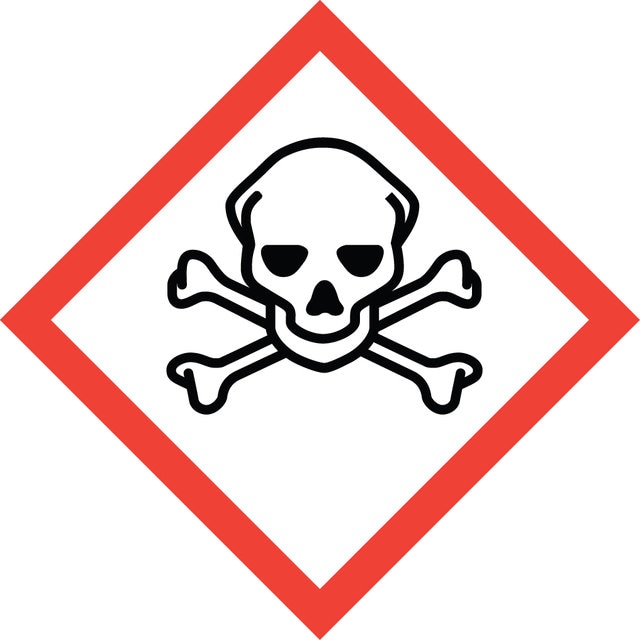
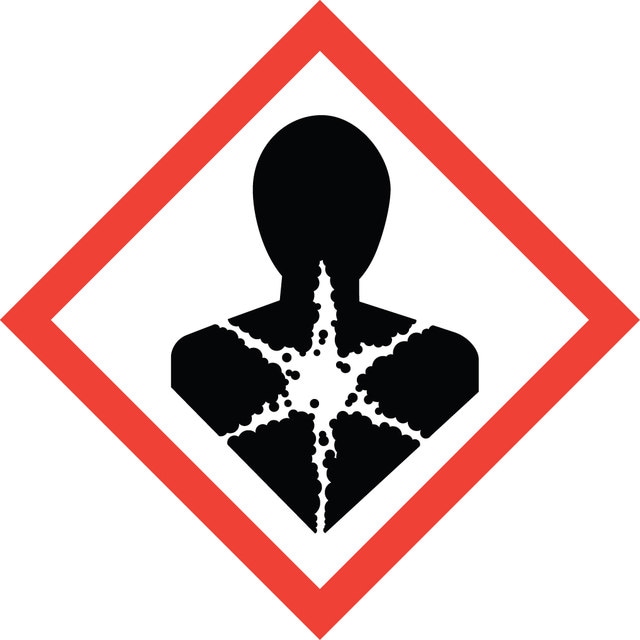
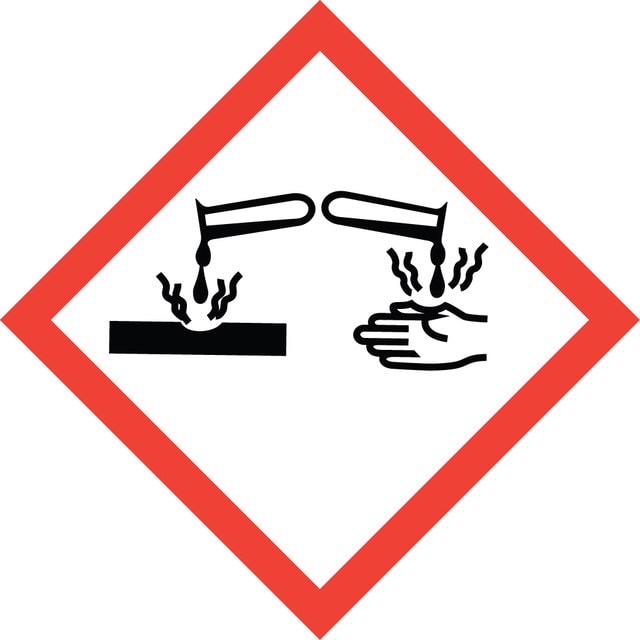
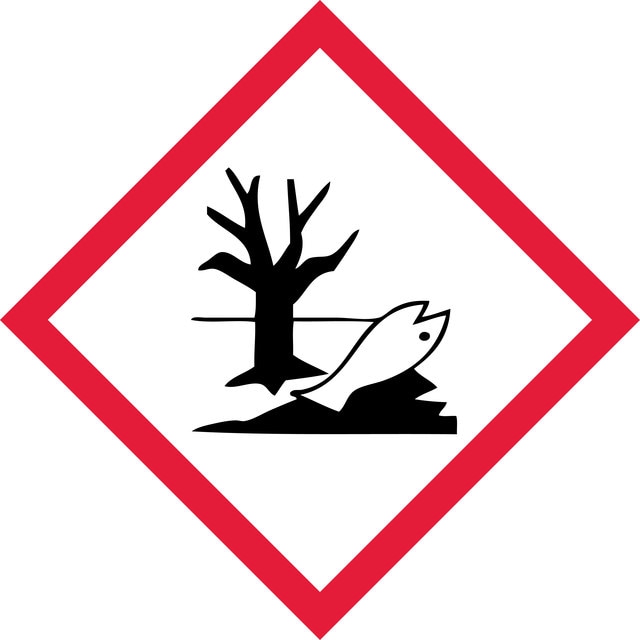
Danger
Kody zagrożeń
Hazard Classifications
Acute Tox. 3 Dermal - Acute Tox. 3 Inhalation - Acute Tox. 3 Oral - Aquatic Chronic 2 - Eye Dam. 1 - Muta. 2 - Skin Corr. 1B - STOT RE 2
Narządy docelowe
Nervous system,Kidney,Liver,Skin
supp_hazards
Klasa składowania
6.1A - Combustible acute toxic Cat. 1 and 2 / very toxic hazardous materials
Co się dzieje?
WGK 3
Temperatura zapłonu (°F)
174.2 °F - closed cup
Temperatura zapłonu (°C)
79 °C - closed cup
Wybierz jedną z najnowszych wersji:
Masz już ten produkt?
Dokumenty związane z niedawno zakupionymi produktami zostały zamieszczone w Bibliotece dokumentów.
-
Can i continue to use if it was slightly frozen at around 0C?
1 answer-
Helpful?
-