
58448

2-Methyl-1-propanol
BioUltra, Molecular Biology, ≥99.5% (GC)
Synonym(s):
Isobutanol, Isobutyl alcohol
Select a Size
About This Item
8.8 mmHg ( 0 °C)
Product Name
2-Methyl-1-propanol, BioUltra, Molecular Biology, ≥99.5% (GC)
InChI key
ZXEKIIBDNHEJCQ-UHFFFAOYSA-N
InChI
1S/C4H10O/c1-4(2)3-5/h4-5H,3H2,1-2H3
SMILES string
CC(C)CO
grade
Molecular Biology
vapor density
2.55 (vs air)
vapor pressure
8 mmHg ( 20 °C)
8.8 mmHg ( 0 °C)
product line
BioUltra
assay
≥99.5% (GC)
form
liquid
autoignition temp.
801 °F
expl. lim.
10.6 %
technique(s)
GC/GC: suitable
impurities
DNases, none detected
RNases, none detected
insoluble matter, passes filter test
phosphatases, none detected
proteases, none detected
≤0.001% peroxides (as H2O2)
≤0.005% free acid (as C3H7CHO)
≤0.01% aldehyde (as C3H7CHO)
≤0.01% ketone (as CH3COCH3)
≤0.1% water
evapn. residue
≤0.001%
refractive index
n20/D 1.396 (lit.)
n20/D 1.396
bp
108 °C (lit.)
mp
−108 °C (lit.)
density
0.803 g/mL at 25 °C (lit.)
cation traces
Al: ≤0.5 mg/kg
Ba: ≤0.1 mg/kg
Bi: ≤0.1 mg/kg
Ca: ≤0.5 mg/kg
Cd: ≤0.05 mg/kg
Co: ≤0.02 mg/kg
Cr: ≤0.02 mg/kg
Cu: ≤0.02 mg/kg
Fe: ≤0.1 mg/kg
K: ≤0.5 mg/kg
Li: ≤0.1 mg/kg
Mg: ≤0.1 mg/kg
Mn: ≤0.02 mg/kg
Mo: ≤0.1 mg/kg
Na: ≤1.0 mg/kg
Ni: ≤0.02 mg/kg
Pb: ≤0.1 mg/kg
Sr: ≤0.1 mg/kg
Zn: ≤0.1 mg/kg
λ
neat
UV absorption
λ: 260 nm Amax: 0.10
λ: 280 nm Amax: 0.06
Quality Level
Looking for similar products? Visit Product Comparison Guide
Other Notes
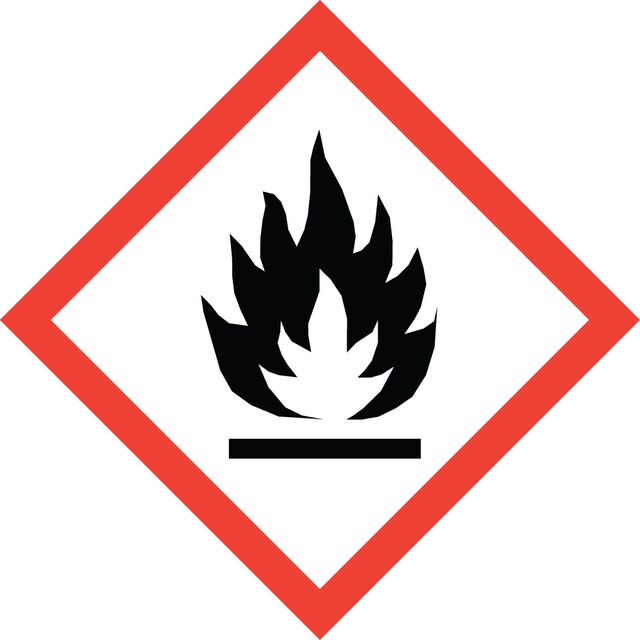
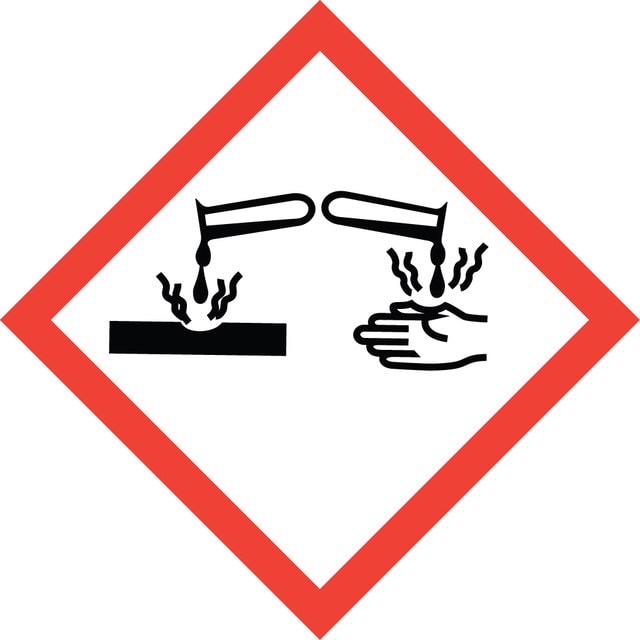
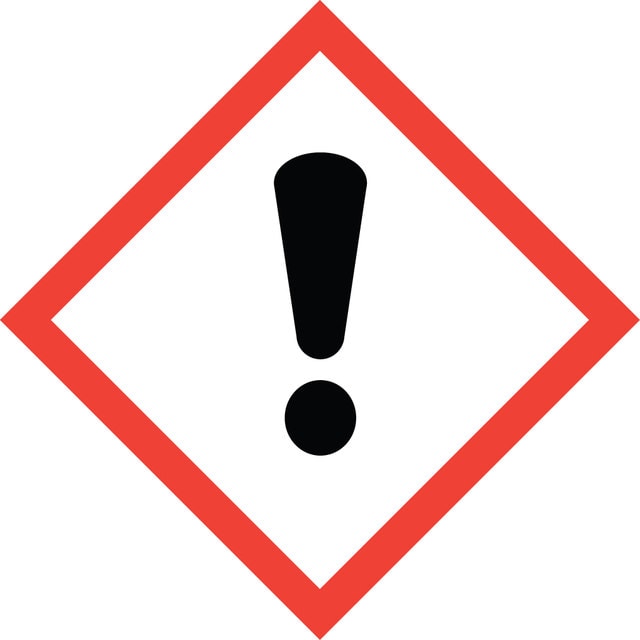
signalword
Danger
hcodes
Hazard Classifications
Eye Dam. 1 - Flam. Liq. 3 - Skin Irrit. 2 - STOT SE 3
target_organs
Central nervous system, Respiratory system
Storage Class
3 - Flammable liquids
wgk
WGK 1
flash_point_f
82.4 °F - closed cup
flash_point_c
28 °C - closed cup
ppe
Eyeshields, Faceshields, Gloves, type ABEK (EN14387) respirator filter
Choose from one of the most recent versions:
Already Own This Product?
Find documentation for the products that you have recently purchased in the Document Library.
Our team of scientists has experience in all areas of research including Life Science, Material Science, Chemical Synthesis, Chromatography, Analytical and many others.
Contact Technical Service