Skip to Content
Merck

48770

Gentian violet

suitable for microscopy

Sign In to View Organizational & Contract Pricing.

Select a Size

Pricing and availability is not currently available.

About This Item

UNSPSC Code:
12171500
NACRES:
NA.47
PubChem Substance ID:
MDL number:
Beilstein/REAXYS Number:
8464808

Skip To

Technical Service
Need help? Our team of experienced scientists is here for you.
Let Us Assist

Product Name

Gentian violet, suitable for microscopy

InChI

1S/C25H30N3.ClH/c1-26(2)22-13-7-19(8-14-22)25(20-9-15-23(16-10-20)27(3)4)21-11-17-24(18-12-21)28(5)6;/h7-18H,1-6H3;1H/q+1;/p-1

SMILES string

[Cl-].CN(C)c1ccc(cc1)\C(c2ccc(cc2)N(C)C)=C3/C=C\C(C=C3)=[N+](/C)C

InChI key

ZXJXZNDDNMQXFV-UHFFFAOYSA-M

form

powder

density

1.19 g/cm3 at 20 °C

εmax

≥1300 at 580-595 nm

suitability

suitable for microscopy

application(s)

diagnostic assay manufacturing
hematology
histology

storage temp.

room temp

Quality Level

Compare Similar Items

View Full Comparison

Show Differences

1 of 4

This Item
1980996971061135
grade

for microscopy (Bact., Hist.)

grade

certified by the Biological Stain Commission

grade

for microscopy (Bact., Bot., Hist.), indicator (pH 0.1-2.0)

grade

for microscopy (Bact., Bot., Hist., Vit.), indicator (pH 0.1-2.0)

Quality Level

100

Quality Level

100

Quality Level

200

Quality Level

200

application(s)

diagnostic assay manufacturing
hematology
histology

application(s)

diagnostic assay manufacturing
hematology
histology

application(s)

diagnostic assay manufacturing
hematology
histology

application(s)

diagnostic assay manufacturing
hematology
histology

form

powder

form

crystalline powder

form

powder or crystals

form

powder

storage temp.

room temp

storage temp.

room temp

storage temp.

room temp

storage temp.

room temp

density

1.19 g/cm3 at 20 °C

density

-

density

-

density

1.190 g/cm3

General description

mixture of crystal violet [C.I.No. 42555] and methyl violet [C.I.No. 42535]

Other Notes

Dye employed for preparing Gram stain[1]

signalword

Danger

Hazard Classifications

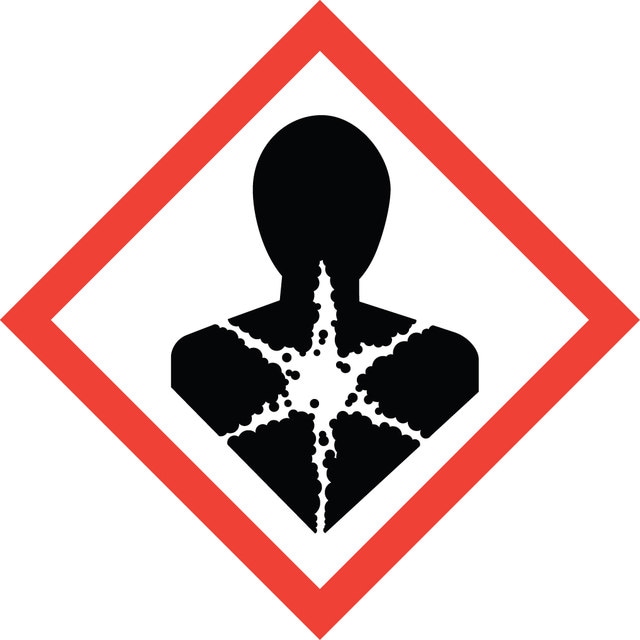
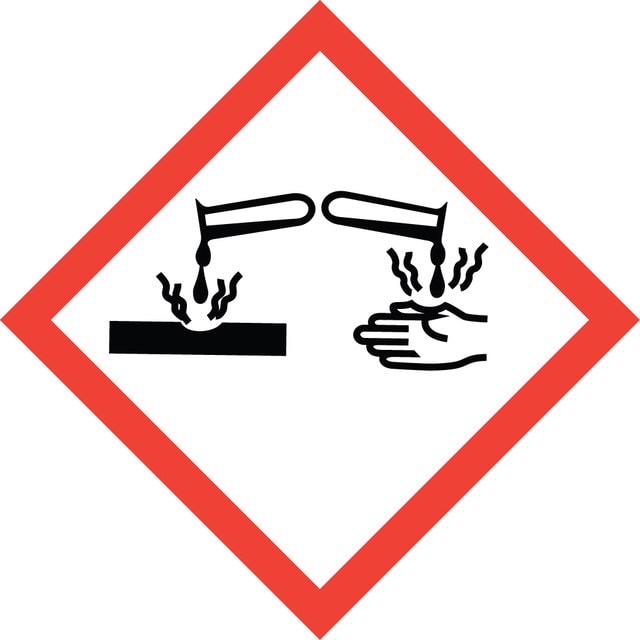
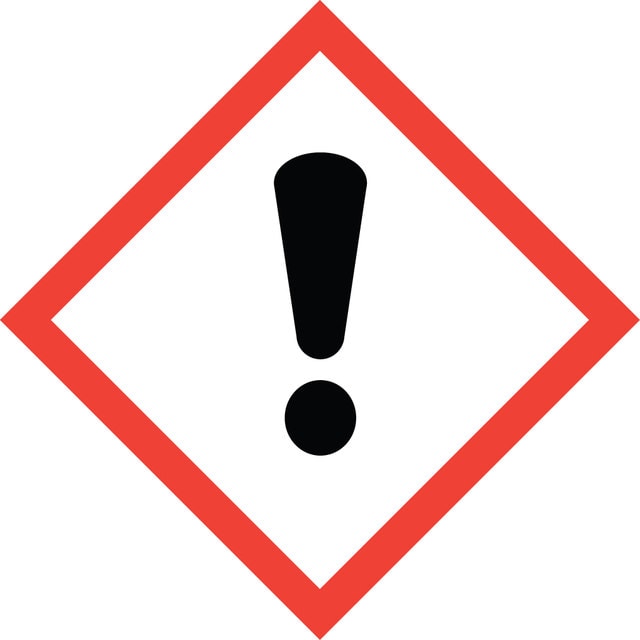
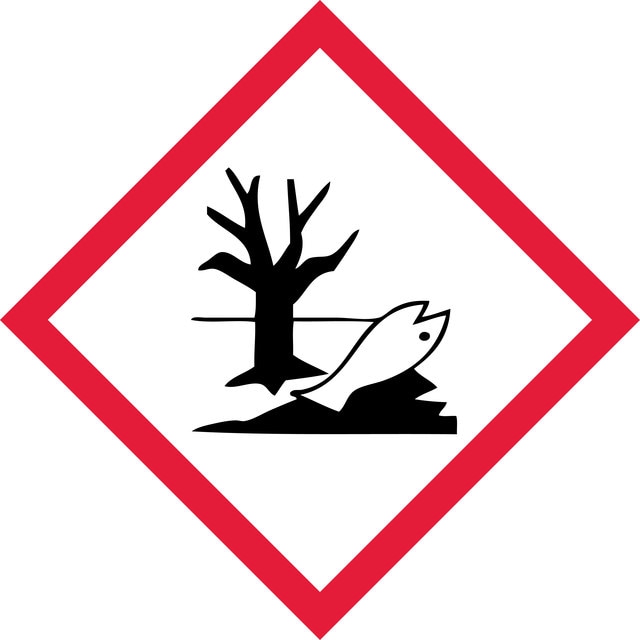
Acute Tox. 4 Oral - Aquatic Acute 1 - Aquatic Chronic 1 - Carc. 1B - Eye Dam. 1 - Muta. 2

Storage Class

6.1C - Combustible acute toxic Cat.3 / toxic compounds or compounds which causing chronic effects

wgk

WGK 3

flash_point_f

Not applicable

flash_point_c

Not applicable

ppe

Eyeshields, Faceshields, Gloves, type P3 (EN 143) respirator cartridges


Choose from one of the most recent versions:

Certificates of Analysis (COA)

Lot/Batch Number

Don't see the Right Version?

If you require a particular version, you can look up a specific certificate by the Lot or Batch number.

Already Own This Product?

Find documentation for the products that you have recently purchased in the Document Library.

Visit the Document Library

P. Bock, ed.
Romeis Mikroskopische Technik null
Mariana Boiani et al.
Journal of medicinal chemistry, 49(11), 3215-3224 (2006-05-26)
Three series of benzimidazole N-oxide derivatives were developed and were examined for their activity against trypanosomatid parasites (Trypanosoma cruzi and Leishmania spp.). 2H-benzimidazole 1,3-dioxides displayed remarkable in vitro activities against both parasites, with derivatives 28, 29, and 32 being the
Eufrânio N da Silva et al.
European journal of medicinal chemistry, 43(8), 1774-1780 (2007-11-30)
[1,2,3]-Triazole derivatives of nor-beta-lapachone were synthesized and assayed against the infective bloodstream trypomastigote form of Trypanosoma cruzi, the etiological agent of Chagas disease. All the derivatives were more active than the original quinones, with IC(50)/1 day values in the range
Jean Jerley Nogueira Silva et al.
Journal of medicinal chemistry, 51(14), 4104-4114 (2008-06-24)
The ruthenium complex, trans-[Ru(Bz)(NH 3) 4SO 2](CF 3SO 3) 2 1, Bz = benznidazole ( N-benzyl-2-(2-nitro-1 H-imidazol-1-yl)acetamide), is more hydrosoluble and more active (IC 50try/1 h = 79 +/- 3 microM) than free benznidazole 2 (IC 50try/1 h > 1
Eufrânio N da Silva Júnior et al.
Bioorganic & medicinal chemistry, 16(9), 5030-5038 (2008-04-02)
New naphthoquinone derivatives were synthesized and assayed against bloodstream trypomastigote forms of Trypanosoma cruzi, the etiological agent of Chagas' disease. The compounds were rationalized based on hybrid drugs and appear as important compounds against this parasite. From nor-lapachol were prepared

Questions

Reviews

No rating value

Active Filters

Our team of scientists has experience in all areas of research including Life Science, Material Science, Chemical Synthesis, Chromatography, Analytical and many others.

Contact Technical Service