

This kit is used for the detection of hippurate hydrolase, an enzyme produced by a number of pathogenic organisms. Hippurate is the substrate embedded into the test strips. Hippurate hydrolase produced by bacteria will hydrolyze the embedded hippurate in the test strip. One of the resulting by-products, glycine, reacts with the chromogen producing a blue/purple color, indicating a positive test. This is a qualitative test. Tests are limited to cultures taken from samples that have been incubated for at least 24 hours. See the link below to review the protocol: https://www.sigmaaldrich.com/deepweb/assets/sigmaaldrich/product/documents/398/494/01869dat.pdf
01869

Hippurate Strips Kit
suitable for microbiology
Synonym(s):
Hippurate Strips
Sign In to View Organizational & Contract Pricing
Select a Size
Pricing and availability is not currently available.
About This Item
UNSPSC Code:
41171621
NACRES:
NA.85
Skip To
technique(s)
microbe id | specific enzyme detection: suitable
application(s)
clinical testing
environmental
food and beverages
microbiology
storage temp.
2-8°C
suitability
Campylobacter spp.
Gardnerella vaginalis
Streptococcus spp.
Looking for similar products? Visit Product Comparison Guide
Application
Test for identification of hippurate hydrolase activity of group B streptococci, Campylobacter jejuni, Gardnerella vaginalis and other microorganisms.
The test is based on hydrolysis of substrate (sodium hippurate) by the bacterial enzyme hippurate hydrolase and production of benzoic acid and glycine. Glycine produced by this enzymatic reaction is detected after 24 hours incubation in reaction with chromogen (ninhydrine) and the blue-purple substance is produced.
The test is based on hydrolysis of substrate (sodium hippurate) by the bacterial enzyme hippurate hydrolase and production of benzoic acid and glycine. Glycine produced by this enzymatic reaction is detected after 24 hours incubation in reaction with chromogen (ninhydrine) and the blue-purple substance is produced.
Other Notes
The kit contains 50 Hippurate Strips (Cat. No. 92472) saturated with sodium hippurate and 350 mg Chromogen in 15 ml Diluent (Cat. No. 01875)
Signal Word
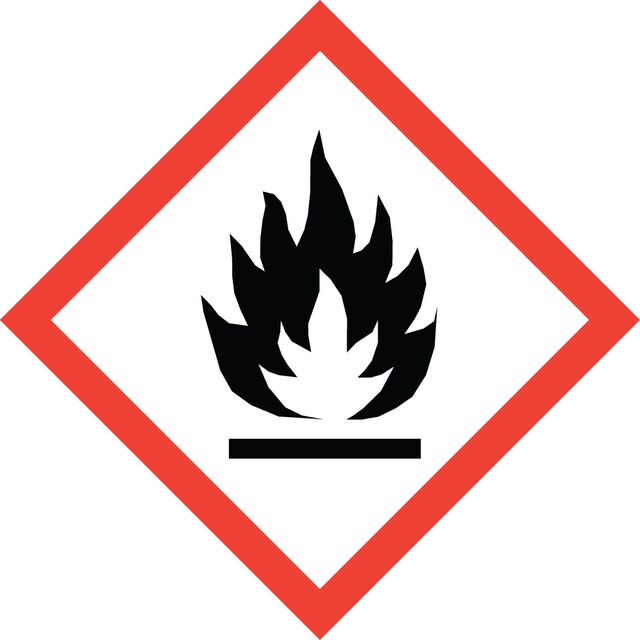
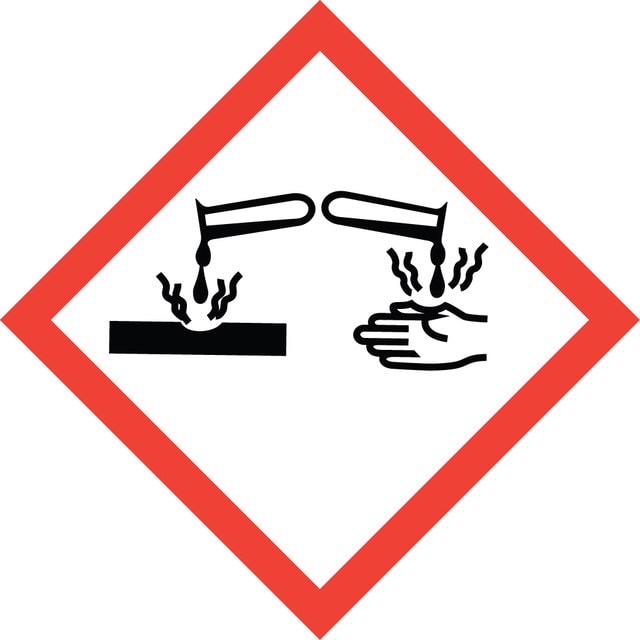
Danger
Hazard Statements
Precautionary Statements
Hazard Classifications
Acute Tox. 4 Oral - Eye Dam. 1 - Flam. Liq. 2 - Skin Irrit. 2 - STOT SE 3
Target Organs
Central nervous system, Respiratory system
Storage Class Code
3 - Flammable liquids
Flash Point(F)
50.0 °F - closed cup
Flash Point(C)
10 °C - closed cup
Personal Protective Equipment
dust mask type N95 (US), Eyeshields, Gloves
Choose from one of the most recent versions:
Already Own This Product?
Find documentation for the products that you have recently purchased in the Document Library.
Articles
For microbiologists the most fundamental stain was developed in 1884 by the Danish bacteriologist Hans Christian Gram.
Protocols
Listeria is a public health concern, affecting elderly, pregnant, newborns, and immunocompromised individuals.
Related Content
-
Hello, Is this product suitable to detect if there is any hippurate in our samples? Is it a quantitative test or a qualitative test? Are there any restrictions on sample types?
1 answer-
Helpful?
-
Active Filters
Our team of scientists has experience in all areas of research including Life Science, Material Science, Chemical Synthesis, Chromatography, Analytical and many others.
Contact Technical Service