
CB0050

CelLytic™ B Plus Kit
For bacterial lysis
Synonym(e):
Cell Lysis Kit, Lysis Reagent
Anmelden zur Ansicht der Organisations- und Vertragspreise.
Größe auswählen
Ansicht ändern
Über diesen Artikel
UNSPSC Code:
41106511
EC Number:
200-664-3
NACRES:
NA.56
Technischer Dienst
Benötigen Sie Hilfe? Unser Team von erfahrenen Wissenschaftlern ist für Sie da.
Unterstützung erhaltenQuality Segment
usage
kit sufficient for 5 g fresh or frozen cell paste lysis.
technique(s)
protein extraction: suitable
input
bacteria and yeast sample(s)
shipped in
wet ice
storage temp.
−20°C
General description
The CelLytic™ B Plus Kit is designed to efficiently lyse cells and extract proteins from both Gram negative, and difficult to lyse, Gram positive bacteria. This is accomplished using the standard CelLytic B, a proprietary non-ionic detergent in concert with lysozyme, Benzonase®, and protease inhibitors. This complete kit takes the guesswork out of protein extraction from a variety of bacterial species.
Application
This kit is compatible with FLAG®, HIS-Select®, and glutathione S-transferase based affinity chromatography protein purification systems. The detergent included in the CelLytic B Lysis Reagent can be removed from the protein by dialysis or ammonium sulfate precipitation, if necessary. The final purity of the recombinant product is usually higher than that obtained from traditional extraction methods. This is because the crude protein solution containing the non-ionic detergent eliminates much of the non-specific binding that occurs during chromatography. The mild detergent does not interfere with many enzyme assays or protein assays.
Features and Benefits
- Lyse Gram positive and Gram negative bacteria
- More efficient than sonication
- Compatible with affinity purification
- Isolate inclusion bodies for subsequent solubilization
- Non-denaturing cell lysis preserves protein function
Other Notes
The CelLytic™ B Plus Kit contains all of the reagents and chemicals necessary to lyse both Gram-negative and Gram-positive bacteria. This kit also includes protease inhibitors to help prevent the proteolytic breakdown of proteins.
Legal Information
Benzonase® Nuclease is manufactured by Merck KGgA, Darmstadt, Germany and its affiliates. Nycomed Pharma A/S (Denmark) claims worldwide patent rights to Benzonase Nuclease, which are licensed exclusively to Merck KGaA, Darmstadt, Germany.
Covered by US Patent No 7,282,475 B2 and are sold for research use only. Commercial use requires addtional licenses.
Benzonase is a registered trademark of Merck KGaA, Darmstadt, Germany
CelLytic is a trademark of Sigma-Aldrich Co. LLC
FLAG is a registered trademark of Merck KGaA, Darmstadt, Germany
HIS-Select is a registered trademark of Merck KGaA, Darmstadt, Germany
Still not finding the right product?
Explore all of our products under CelLytic™ B Plus Kit
Kit-Komponenten auch einzeln erhältlich
Produkt-Nr.
Beschreibung
SDB & Preisangaben
- Benzonase® Nuclease, ≥250 units/μL, ≥90% (SDS-PAGE), recombinant, expressed in E. coli, buffered aqueous glycerol solution
- Protease Inhibitor Cocktail, for use in purification of Histidine-tagged proteins, DMSO solution
Signalwort
Danger
Gefahrencodes
Sicherheitshinweise
Hazard Classifications
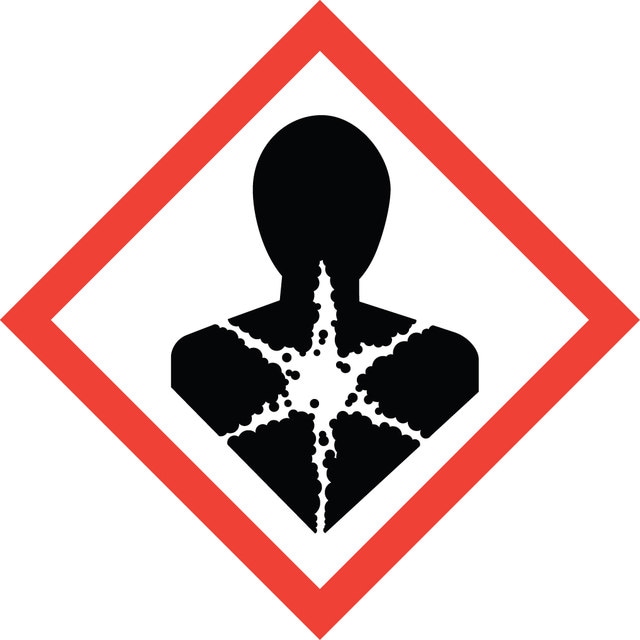
Eye Irrit. 2 - Resp. Sens. 1 - Skin Irrit. 2
Lagerklasse
10 - Combustible liquids
Flammpunkt (°F)
Not applicable
Flammpunkt (°C)
Not applicable
Was ist los?
WGK 3
Hier finden Sie alle aktuellen Versionen:
Besitzen Sie dieses Produkt bereits?
In der Dokumentenbibliothek finden Sie die Dokumentation zu den Produkten, die Sie kürzlich erworben haben.