
Direkt zum Inhalt
Merck

Fortfahren mit

HT20

Eisen-Färbung

Synonym(e):

Berliner Blau Test Kit

Anmelden zur Ansicht der Organisations- und Vertragspreise.

Größe auswählen

Ansicht ändern
Ihnen/SKUVerfügbarkeitPreis
1 kit
Warenkorb auf Verfügbarkeit prüfen
€ 313,00

Über diesen Artikel

NACRES:
NA.47
UNSPSC Code:
41116121

€ 313,00


Warenkorb auf Verfügbarkeit prüfen

Sonderanfertigung anfragen
Technischer Dienst
Benötigen Sie Hilfe? Unser Team von erfahrenen Wissenschaftlern ist für Sie da.
Unterstützung erhalten


form

solution

Quality Segment

shelf life

Expiry date on the label.

IVD

for in vitro diagnostic use

dilution

(for histology)

application(s)

hematology
histology

storage temp.

room temp

Biochem/physiol Actions

Einlagerungen von locker gebundenem Eisen in Erythrozyten, Knochenmark oder Gewebe färben sich intensiv blau, wenn sie mit saurem Ferrocyanid nach der bekannten Berlinerblau-Reaktion behandelt werden.

Ähnliche Artikel vergleichen

Vollständigen Vergleich anzeigen

Unterschiede anzeigen

1 of 1

Dieser Artikel
HT25AJ1875M5528
description

-

description

-

description

certified by the BSC

description

certified by the BSC

application(s)

hematology
histology

application(s)

hematology
histology

application(s)

diagnostic assay manufacturing
hematology
histology

application(s)

diagnostic assay manufacturing
hematology
histology

Quality Level

500

Quality Level

500

Quality Level

200

Quality Level

200

storage temp.

room temp

storage temp.

room temp

storage temp.

room temp

storage temp.

room temp

form

solution

form

solution

form

powder

form

powder

dilution

(for histology)

dilution

(for histology)

dilution

-

dilution

-

shelf life

Expiry date on the label.

shelf life

Expiry date on the label.

shelf life

-

shelf life

-


signalword

Danger

Hazard Classifications

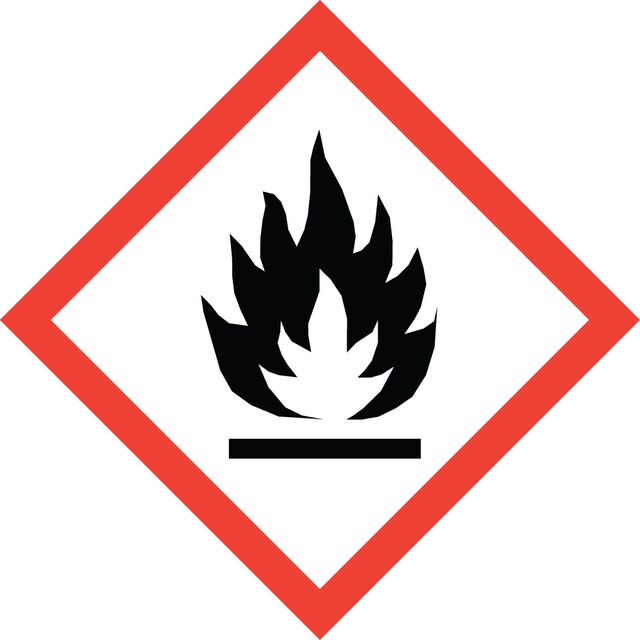
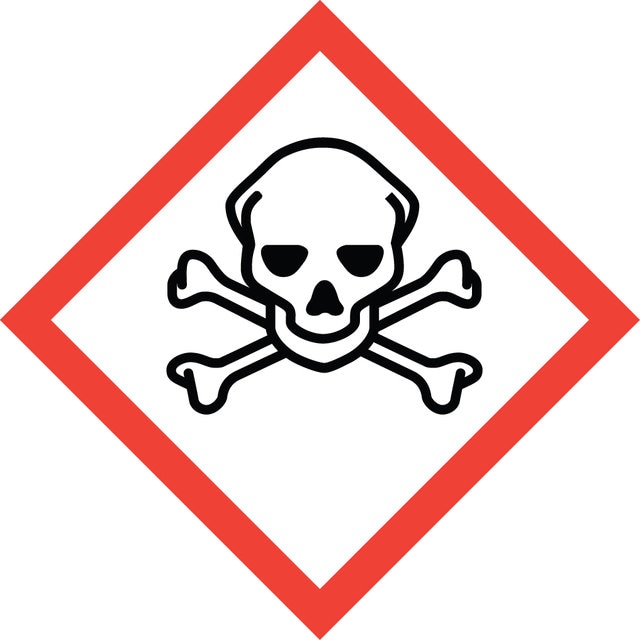
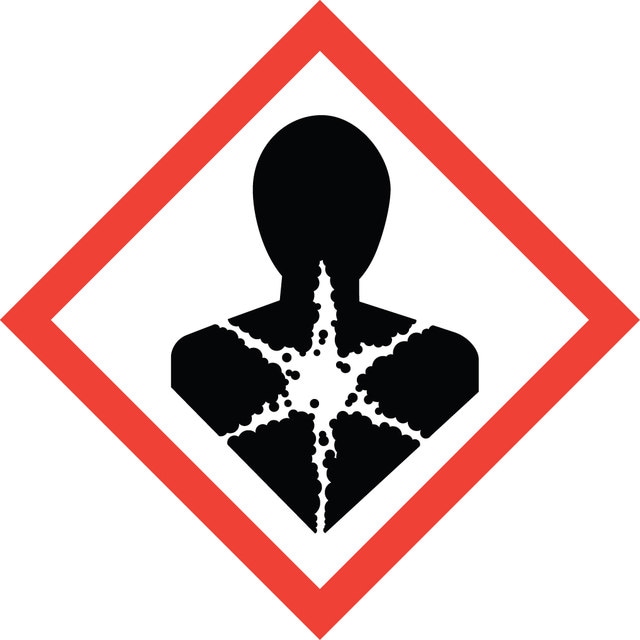
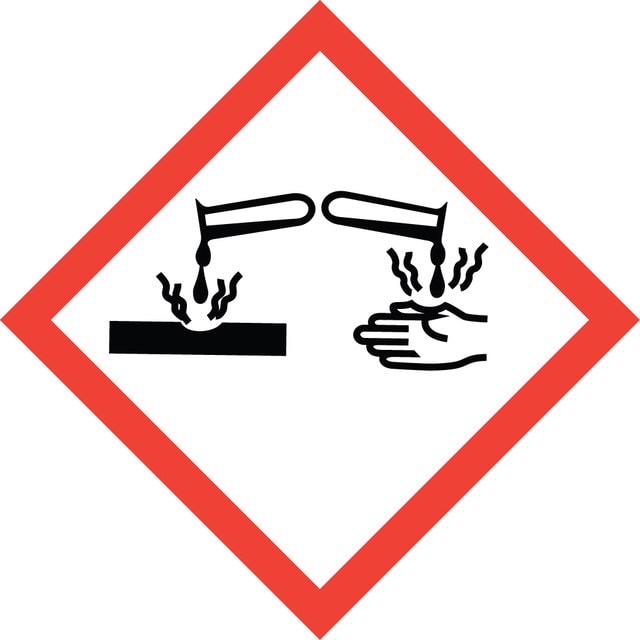
Acute Tox. 3 Dermal - Acute Tox. 3 Inhalation - Acute Tox. 3 Oral - Carc. 1B - Flam. Liq. 2 - Met. Corr. 1 - STOT SE 1

target_organs

Eyes,Central nervous system

Lagerklasse

3 - Flammable liquids

flash_point_f

51.8 °F

flash_point_c

11 °C


Hier finden Sie alle aktuellen Versionen:

Analysenzertifikate (COA)

Lot/Batch Number

It looks like we've run into a problem, but you can still download Certificates of Analysis from our Dokumente section.

Wenn Sie Hilfe benötigen, wenden Sie sich bitte an Kundensupport

Besitzen Sie dieses Produkt bereits?

In der Dokumentenbibliothek finden Sie die Dokumentation zu den Produkten, die Sie kürzlich erworben haben.

Die Dokumentenbibliothek aufrufen


Questions

1–10 of 10 Questions  
  1. Can the HT20 Iron Stain kit be used with free flowing sections (post-fixed with PFA, store in PBS at 4C)??

    1 answer
    1. The Specimen Collection section of the Instructions For Use states: "Any well prepared tissue section cut 5–6 microns and fixed in neutral buffered formalin is satisfactory for iron staining. Blood or bone marrow films are prepared in the usual fashion, air-dried at least 30 minutes and fixed in absolute methanol for 7 minutes."

      If your free floating sections are fixed in PFA, this is really the same as fixing in Neutral Buffered Formalin. Once the bonds of the paraformaldehyde are broken, the active molecule is formaldehyde/formalin. Once the free floating sections have been fixed and rinse in water, the free floating sections can be stained with the HT20 procedure.

      Helpful?

  2. What is the volume of each element contained in this kit? For how many samples (slide) is this staining kit designed?

    1 answer
    1. This kit includes 250 mL each of a 4% Potassium ferrocyanide solution and 1.2 mM Hydrochloric Acid solution and 30 mL of 1% pararosaniline soluition in methanol. These reagents are used to prepare working solutions that must be used once time and discarded. The number of tests per kit depends on the format and/or number of slides. For example, the working iron stain solution is prepared from equal parts potassium ferrocyanide solution and hydrochloric acid solution. For example, if 40 mL of working solution is prepared, this kit will be sufficient for 12 staining events. Please see the link below to review the product datsheet for additional details:
      https://www.sigmaaldrich.com/deepweb/assets/sigmaaldrich/product/documents/321/539/procedure-ht20-ironstain-ms.pdf

      Helpful?

  3. Is ECM590 compatible with Prussian blue staining, and does it work for both paraffin and frozen sections?

    1 answer
    1. It's uncertain whether it would be possible to dual stain a tissue section with a Prussian Blue staining procedure and the IHC kit ECM590. However, it's recommended to try the ECM590 kit and then perform the Prussian Blue staining procedure. The color contrast should not be a problem, but the use of DAB for demonstrating both anti-von Willebrand Factor and anti-CD31 primary antibodies may lead to brown staining for both antibodies.

      Helpful?

  4. Does EDTA affect Prussian Blue staining for siderocytes and other blood cells found in bone marrow?

    1 answer
    1. While slides anticoagulated with EDTA may be suitable for demonstrating iron in peripheral blood smears and bone marrow smears, bone marrow that has been decalcified in EDTA may not demonstrate iron using the Perl’s or Prussian Blue Method. Even for bone marrow smears, EDTA can diminish or remove iron from bone marrow aspirates if the levels of EDTA used in collection are high. EDTA has various uses in laboratories, including as an anticoagulant and a decalcifying agent to chelate calcium from bone. By removing the calcium, bone can be processed into paraffin blocks and cut into thin sections using a microtome. EDTA can also be used to chelate a number of other metals, including iron. Once the iron deposits have been removed from osseous bone, the iron deposits are also removed from cells at the same time. Consequently, bone marrow smears that have been decalcified in EDTA will generally stain negative for iron in bone marrow slides.

      Helpful?

  5. Can the HT20 Iron Stain kit be used with frozen sections?

    1 answer
    1. Both frozen sections and paraffin-embedded tissue are considered satisfactory for iron staining, as per the Instructions For Use. Blood or bone marrow films are prepared in the usual fashion, air-dried for at least 30 minutes, and fixed in absolute methanol for 7 minutes.

      Helpful?

  6. Is EDTA an acceptable anticoagulant for use with the Iron Stain Kit, Product HT20?

    1 answer
    1. Blood and bone marrow samples should be drawn without the use of EDTA as an anticoagulant. The EDTA chelates enough Iron to interfere with adequate staining. We advise using heparinized blood or freshly drawn blood which has not been anticoagulated.

      Helpful?

  7. Can the Iron Stain Kit, Product HT20, be used to stain cultured cells, rather than blood or bone marrow?

    1 answer
    1. This kit can be used to stain cultured mammalian cells, which should be treated as blood or bone marrow and follow instructions given for specimen collection in the Package Insert.  We advise using some sort of positive control.

      Helpful?

  8. What is the Department of Transportation shipping information for this product?

    1 answer
    1. Transportation information can be found in Section 14 of the product's (M)SDS.To access the shipping information for this material, use the link on the product detail page for the product.

      Helpful?

  9. Is it necessary to use the counterstain to view tissue Iron when using the Iron Stain Kit, Product HT20?

    1 answer
    1. Iron in tissue samples (used for research) can be visualized without the Pararosaniline counterstain, which is used to allow improved visualization of the tissue.

      Helpful?

  10. Can I buy the reagents in Iron Stain Kit, Product HT20, separately?

    1 answer
    1. The reagents included in this kit are not available for separate purchase.

      Helpful?

Reviews

No rating value

Active Filters