
Direkt zum Inhalt
Merck

Fortfahren mit

MAK005

Phenylalanin-Assay-Kit

sufficient for 100 fluorometric tests

Anmelden zur Ansicht der Organisations- und Vertragspreise.

Über diesen Artikel

NACRES:
NA.84
UNSPSC Code:
12161503


usage

sufficient for 100 fluorometric tests

detection method

fluorometric

relevant disease(s)

neonatal diseases; neurological disorders; pediatric diseases

storage temp.

−20°C

General description

Phenylalanin ist eine nicht polare, essenzielle Aminosäure. In der Leber wird Phenylalanin zu Tyrosin, einem Vorläufer für mehrere Verbindungen, einschließlich L-DOPA und Melanin, umgewandelt. Defekte dieser Aktivität von Phenylalaninhydroxylase führen zu der vererbten metabolischen Störung Phenylketonurie (PKU). PKU führt zur Anreicherung von Phenylalanin und Phenylalaninmetaboliten, was zu Wachstumsdefekten und geistigen Behinderungen führen kann, wenn sie nicht behandelt wird.

Application

Für den Nachweis von L-Phenylalanin in Zell- und Gewebekulturüberständen, Serum und anderen biologischen Proben geeignet.

Biochem/physiol Actions

Die Phenylalaninkonzentration wird durch einen gekuppelten Enzymassay bestimmt, was zur Deaminierung von Phenylalanin und der Erzeugung von NADH führt, das mit der Sonde reagiert und zu einem fluoreszierenden (λex = 535 nm/λem = 587 nm) Produkt, proportional zu dem vorliegenden Phenylalanin führt.


Still not finding the right product?

Explore all of our products under Phenylalanin-Assay-Kit


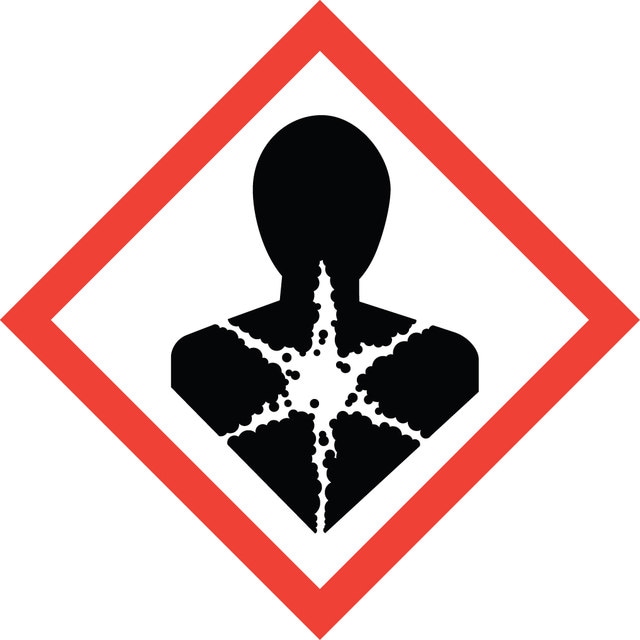
Piktogramme

Health hazard

Signalwort

Danger

Gefahrencodes

Sicherheitshinweise

Hazard Classifications

Resp. Sens. 1

Lagerklasse

10 - Combustible liquids

Flammpunkt (°F)

No data available

Flammpunkt (°C)

No data available

Was ist los?

WGK 3


Hier finden Sie alle aktuellen Versionen:

Analysenzertifikate (COA)

Lot/Batch Number

It looks like we've run into a problem, but you can still download Certificates of Analysis from our Dokumente section.

Wenn Sie Hilfe benötigen, wenden Sie sich bitte an Kundensupport

Besitzen Sie dieses Produkt bereits?

In der Dokumentenbibliothek finden Sie die Dokumentation zu den Produkten, die Sie kürzlich erworben haben.

Die Dokumentenbibliothek aufrufen


Questions

1–2 of 2 Questions  
  1. What enzymes are included in the enzyme mix for this kit? Alternatively, please specify which enzymes are not part of the enzyme mix in the kit.

    1 answer
    1. The enzyme included in the kit is capable of reacting with tyrosine, methionine, and phenylalanine. According to a specific article, L-phenylalanine dehydrogenase can convert tyrosine and methionine in addition to phenylalanine.

      It's important to note that the enzyme is isolated from bacteria, not humans. The reaction pathway, likely catalyzed by phenylalanine dehydrogenase, is as follows: L-phenylalanine + H2O + NAD+ ⇌ phenylpyruvate + NH3 + NADH + H+.

      It was mentioned that any additional information about the enzyme would be proprietary. However, it was disclosed that this proprietary enzyme aids in the conversion of phenylalanine to generate NADH. In this process, PHE is reductively deaminated with the simultaneous formation of NADH, which reacts with our fluorescent probe to produce fluorescence at Ex/Em = 535/587 nm. It is advisable to proceed with the understanding that the reaction follows the pathway outlined in my previous note.

      Helpful?

  2. What is the procedure for removing the precipitate in the assay buffer?

    1 answer
    1. To dissolve the precipitate in the assay buffer, gently heat it with swirling. Placing it in a hot water bath at 50 - 60 degrees for 10-15 minutes should suffice. Avoid vigorously shaking the assay buffer to prevent foam formation. Allow it to cool to room temperature before proceeding with the assay.

      Helpful?

Reviews

No rating value

Active Filters