

We have no information on using this product for oxidase test. Product No. T3134, N,N,N′,N′-Tetramethyl-p-phenylenediamine dihydrochloride is commonly used to perform the oxidase test for the colorimetric identification of pathogenic and non-pathogenic bacteria.
Przejdź do
P6001

p-Phenylenediamine
98% (GC)
Synonim(y):
1,4-Benzenediamine, 1,4-Diaminobenzene, 1,4-Phenylenediamine
Zaloguj się, aby wyświetlić ceny organizacyjne i kontraktowe.
Wybierz wielkość
Zmień widok
| Rozmiar/SKU | Dostępność | Cena netto |
|---|---|---|
50 g | Dostępne do wysyłki DZISIAJzSchnelldorf Distribution | 268,00 zł |
100 g | Dostępne do wysyłki DZISIAJzSchnelldorf Distribution | 330,00 zł |
250 g | Dostępne do wysyłki DZISIAJzSchnelldorf Distribution | 716,00 zł |
1 kg | Dostępne do wysyłki DZISIAJzSchnelldorf Distribution | 944,00 zł |
Informacje o tej pozycji
Wzór liniowy:
C6H4(NH2)2
Numer CAS:
Masa cząsteczkowa:
108.14
UNSPSC Code:
12352204
NACRES:
NA.83
PubChem Substance ID:
EC Number:
203-404-7
Beilstein/REAXYS Number:
742029
MDL number:
Assay:
98% (GC)
Pomoc techniczna
Potrzebujesz pomocy? Nasz zespół doświadczonych naukowców chętnie Ci pomoże.
Pozwól nam pomócvapor density
3.7 (vs air)
Quality Segment
vapor pressure
1.08 mmHg ( 100 °C)
description
anti-fade reagent
assay
98% (GC)
technique(s)
protein detection: suitable
bp
267 °C (lit.)
mp
138-143 °C (lit.)
SMILES string
Nc1ccc(N)cc1
InChI
1S/C6H8N2/c7-5-1-2-6(8)4-3-5/h1-4H,7-8H2
InChI key
CBCKQZAAMUWICA-UHFFFAOYSA-N
Application
p-Phenylenediamine has been used:
Anti-fade reagent is added to the mounting medium in fluorescence microscopy to retard photobleaching of fluorescein and other fluorescent dyes.
- to evaluate its sensitization potential in vitro in langerhans-like dendritic cells and autologous T cells
- to treat the dorsal sides of the ears of mice, to study its systemic immunological effects
- in glycerol to coverslip coronal sections in the attempt to count Aβ plaques
Anti-fade reagent is added to the mounting medium in fluorescence microscopy to retard photobleaching of fluorescein and other fluorescent dyes.
Biochem/physiol Actions
p-Phenylenediamine causes allergic reactions with skin. It is widely used in hair dyes. It eventually forms Bandrowski′s base, which is found to be the primary cause for allergy. p-Phenylenediamine exposure results in dermatitis, urticaria and anaphylaxis. It acts as an electron donor and is known to reduce cytochrome c.
Disclaimer
Darkens in storage.
Ta strona może zawierać tekst przetłumaczony maszynowo.
1 of 1
Ta pozycja | |||
|---|---|---|---|
| description 98% (GC) | description ≥99.0% (GC/NT) | description analytical standard | description sublimed, ≥99% |
| assay 98% (GC) | assay ≥99.0% (GC/NT) | assay - | assay ≥99% |
| Quality Level 200 | Quality Level 200 | Quality Level 100 | Quality Level 200 |
| mp 138-143 °C (lit.) | mp 138-143 °C (lit.) | mp 138-143 °C (lit.) | mp 138-143 °C (lit.) |
| bp 267 °C (lit.) | bp 267 °C (lit.) | bp 267 °C (lit.) | bp 267 °C (lit.) |
| vapor density 3.7 (vs air) | vapor density 3.7 (vs air) | vapor density 3.7 (vs air) | vapor density 3.7 (vs air) |
| description anti-fade reagent | description anti-fade reagent | description anti-fade reagent | description anti-fade reagent |
Still not finding the right product?
Explore all of our products under p-Phenylenediamine
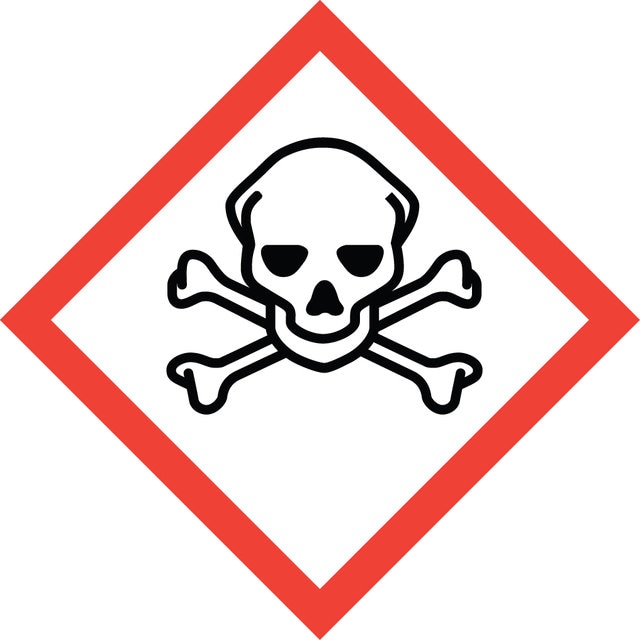
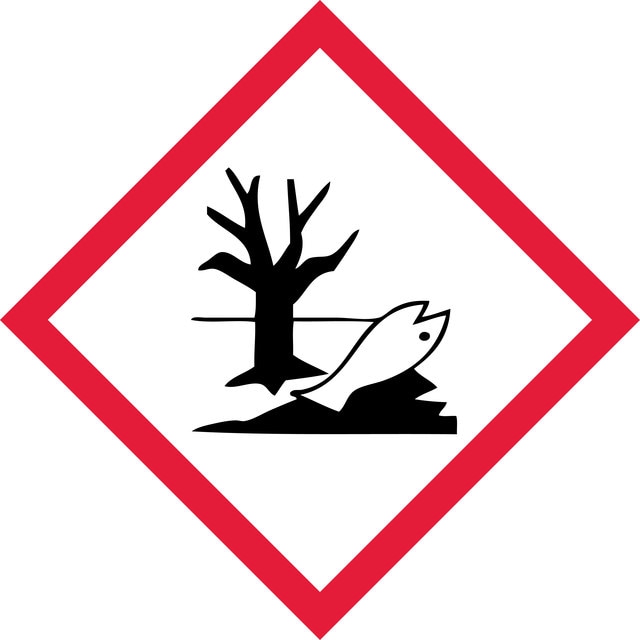
Słowo ostrzegawcze
Danger
Kody zagrożeń
Klasa składowania
6.1C - Combustible acute toxic Cat.3 / toxic compounds or compounds which causing chronic effects
Temperatura zapłonu (°F)
230.0 °F - closed cup
Temperatura zapłonu (°C)
110 °C - closed cup
PPE (środki ochrony indywidualnej)
Eyeshields, Faceshields, Gloves, type P2 (EN 143) respirator cartridges
Hazard Classifications
Acute Tox. 3 Dermal - Acute Tox. 3 Inhalation - Acute Tox. 3 Oral - Aquatic Acute 1 - Aquatic Chronic 1 - Eye Irrit. 2 - Skin Sens. 1
Wybierz jedną z najnowszych wersji:
Masz już ten produkt?
Dokumenty związane z niedawno zakupionymi produktami zostały zamieszczone w Bibliotece dokumentów.
-
May I ask if I can use P- phenylenediamine for oxidase test
1 answer-
Helpful?
-
-
What is the solubility of p-Phenylediamine, Product P6001?
1 answer-
This product is soluble in ethanol at a concentration of 50 mg/mL, with heating. A clear red to brown solution is observed.
Helpful?
-
-
What is the working concentration for p-Phenylediamine, Product P6001, when used as an antifade agent?
1 answer-
J. Immunological Methods, 43, 349 (1981) describes a solution that will reduce the fading of fluorescent materials. The recipe for this solution is: "Add 10 mL of phosphate-buffered saline (0.01 M PO4, pH 7.4 in 0.15 M NaCl) containing 100 mg of p-phenylenediamine to 90 ml of glycerol. The final pH should be adjusted to approximately 8.0 with 0.5 M carbonate-bicarbonate buffer (pH 9.0)".
Helpful?
-
-
What is the Department of Transportation shipping information for this product?
1 answer-
Transportation information can be found in Section 14 of the product's (M)SDS.To access the shipping information for this material, use the link on the product detail page for the product.
Helpful?
-
-
For what applications is p-Phenylediamine, Product P6001, used?
1 answer-
This is an antifade reagent that is used as a fluorescent stabilizer. Do not confuse the p-phenylenediamine with o-phenylenediamine, which is used as a peroxidase substrate in ELISA procedures.
Helpful?
-