
Przejdź do
PE0220

Plant Hydrophobic Protein Extraction Kit
Suitable for any plant species or tissue
Zaloguj się, aby wyświetlić ceny organizacyjne i kontraktowe.
Wybierz wielkość
Zmień widok
| Rozmiar/SKU | Dostępność | Cena netto |
|---|---|---|
1 kit | Skontaktuj się z Obsługą Klienta, aby uzyskać informacje na temat dostępności | 1510,00 zł |
Informacje o tej pozycji
NACRES:
NA.56
UNSPSC Code:
41105500
1510,00 zł
Skontaktuj się z Obsługą Klienta, aby uzyskać informacje na temat dostępności
Pomoc techniczna
Potrzebujesz pomocy? Nasz zespół doświadczonych naukowców chętnie Ci pomoże.
Pozwól nam pomócGeneral description
The Plant Hydrophobic Protein Extraction Kit is designed specifically for use in plant bioscience to extract a qualitative sample of hydrophobic proteins from any type of plant species or tissue. The protocol does not require any ultracentrifugation or aqueous polymer two-phase partitioning (APTP). The kit includes three reagents, a plant specific protease inhibitor cocktail, a specially formulated reagent to extract hydrophilic proteins (Plant Protein Extraction Reagent Type 1), and a new chaotropic reagent with increased solubilizing power to extract more hydrophobic proteins (C0356, Protein Extraction Reagent Type 4). The protease inhibitor cocktail is a mixture of protease inhibitors with broad specificity for the inhibition of serine, cysteine, aspartic, metalloproteases, and aminopeptidases. It contains pepstatin A, E-64, leupeptin, 4-(2-aminoethyl)benzenesulfonyl fluoride (AEBSF), bestatin, and 1,10-phenanthroline. The cocktail has been demonstrated to be highly effective in preventing protein degradation during the extraction process.
Following removal of polyphenolics, tannins, and other interfering substances, ground plant tissue, fresh or frozen, is resuspended in a specially formulated reagent to extract hydrophilic proteins. After sequential extractions of the hydrophilic proteins, the chaotropic reagent is used to extract hydrophobic membrane bound proteins. Plant debris is pelleted by centrifugation and the hydrophobic protein extract is collected. The end result is a qualitative hydrophobic protein sample, ready for downstream proteomic analysis.
Following removal of polyphenolics, tannins, and other interfering substances, ground plant tissue, fresh or frozen, is resuspended in a specially formulated reagent to extract hydrophilic proteins. After sequential extractions of the hydrophilic proteins, the chaotropic reagent is used to extract hydrophobic membrane bound proteins. Plant debris is pelleted by centrifugation and the hydrophobic protein extract is collected. The end result is a qualitative hydrophobic protein sample, ready for downstream proteomic analysis.
Preparation Note
Sufficient for preparation of 20 separate extractions from plant tissue samples of 10-250mg
Ta strona może zawierać tekst przetłumaczony maszynowo.
1 of 1
Ta pozycja | |||
|---|---|---|---|
| description Suitable for any plant species or tissue | description Suitable for any plant species or tissue | description Suitable for any plant species or tissue | description for use with fungal and yeast extracts, DMSO solution |
| storage temp. −20°C | storage temp. −20°C | storage temp. −20°C | storage temp. −20°C |
| Quality Level 200 | Quality Level 200 | Quality Level 200 | Quality Level 300 |
| input plant, fungi and insect sample(s) | input plant, fungi and insect sample(s) | input plant, fungi and insect sample(s) | input plant, fungi and insect sample(s) |




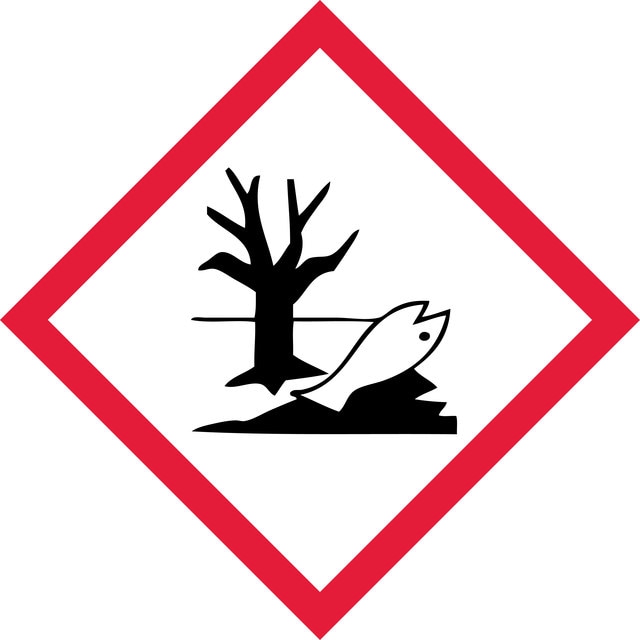
Słowo ostrzegawcze
Warning
Kody zagrożeń
Hazard Classifications
Acute Tox. 4 Oral - Aquatic Chronic 2 - Carc. 2 - Repr. 2
Klasa składowania
10 - Combustible liquids
Temperatura zapłonu (°F)
185.0 °F
Temperatura zapłonu (°C)
85 °C
Co się dzieje?
WGK 3
Wybierz jedną z najnowszych wersji:
Masz już ten produkt?
Dokumenty związane z niedawno zakupionymi produktami zostały zamieszczone w Bibliotece dokumentów.