


Upon verification, the laboratory has not characterized the biological activity of SAE0089. However, it is known to be reversibly inactivated by oxidation, where the active form is present in a reduced format. Therefore, just prior to application, one could activate it by incubation with DTT for about 15 minutes at 37 degrees Celsius.
Przejdź do
SAE0089

Streptolysin O from Streptococcus pyogenes
≥1,000,000 units/mg protein, recombinant, lyophilized powder, expressed in E. coli
Synonim(y):
Streptolysin O from Streptococcus pyogenes, SLO
Zaloguj się, aby wyświetlić ceny organizacyjne i kontraktowe.
Wybierz wielkość
Zmień widok
| Rozmiar/SKU | Dostępność | Cena netto |
|---|---|---|
100 kU | Skontaktuj się z Obsługą Klienta, aby uzyskać informacje na temat dostępności | 953,00 zł |
Informacje o tej pozycji
Assay:
≥95% (SDS-PAGE)
953,00 zł
Skontaktuj się z Obsługą Klienta, aby uzyskać informacje na temat dostępności
Pomoc techniczna
Potrzebujesz pomocy? Nasz zespół doświadczonych naukowców chętnie Ci pomoże.
Pozwól nam pomócassay
≥95% (SDS-PAGE)
specific activity
≥1,000,000 units/mg protein
mol wt
60 kDa
UniProt accession no.
shipped in
ambient
storage temp.
2-8°C
General description
Streptolysin O (SLO) is an immunogenic, oxygen-labile toxin, hemolytic exotoxin which is reversibly activated by dithiothreitol. [1] It is released into the extracellular medium along with other toxins, including streptolysin S, during the growth of most strains of group A and many strains of groups C and G Streptococci. [1,2] SLO and Streptolysin S differ from each other in that SLO is immunogenic and oxygen-labile while Streptolysin S is oxygen-stable, nonimmunogenic and only active when associated with a carrier protein.[3] The hemolytic activity of SLO is mediated by formation of multimeric nanopores in cholesterol containing lipid membranes.
SLO may be used for cell permeabilization or hemolysis. The susceptibility of hemolysis by SLO varies significantly for erythrocytes from different animal species.[1] Permeabilization of cells using SLO has been performed on multiple cell types and for various applications. For instance it has been used to introduce antisense oligonucleotides into cultured eukaryotic cells;[3] to investigate the effect of guanine nucleotide analogues on phosphatidylinositol metabolism and protein kinase C (PKC) activation in live human T lymphocytes;[4] to monitor cholesterol oxidation within a membrane lipid bilayer; [5] and to label proteins inside living cells using external fluorophores.[6]
SLO may be used for cell permeabilization or hemolysis. The susceptibility of hemolysis by SLO varies significantly for erythrocytes from different animal species.[1] Permeabilization of cells using SLO has been performed on multiple cell types and for various applications. For instance it has been used to introduce antisense oligonucleotides into cultured eukaryotic cells;[3] to investigate the effect of guanine nucleotide analogues on phosphatidylinositol metabolism and protein kinase C (PKC) activation in live human T lymphocytes;[4] to monitor cholesterol oxidation within a membrane lipid bilayer; [5] and to label proteins inside living cells using external fluorophores.[6]
Application
Permeabilizes membranes to permit cellular uptake of large or charged molecules.
Biochem/physiol Actions
Thiol-activated toxin that permeabilizes animal cell membranes. The protein binds as a monomer to membrane cholesterol and subsequently polymerizes into large arc- and ring-shaped structures surrounding pores of >12 nm.
Thiol-activated toxin that permeabilizes animal cell membranes..
This product is produced by recombinant expression in Escherichia coli and contains the complete native protein sequence of SLO (Uniport ID: P0DF96 aa 34-571) without any added purification tags and has calculated molecular weight of 60,144 Dalton. The material is lyophilized from a solution containing 20 mM Sodium Hepes pH 7.5, 150 mM Sodium Chloride and 2 mM EDTA.
Other Notes
Lyophilized powder containing Hepes buffer salts and EDTA.
One unit will cause 50% lysis of 50 ul of a 2% human red blood cell suspension in phosphate buffered saline, pH 7.4, at 37 °C for 30 minutes.
Ta strona może zawierać tekst przetłumaczony maszynowo.
1 of 1
Ta pozycja | |||
|---|---|---|---|
| description ≥1,000,000 units/mg protein, recombinant, lyophilized powder, expressed in E. coli | description γ-irradiated | description lyophilized powder, Protein ~3 % by Lowry, 25,000-50,000 U/vial | description - |
| assay ≥95% (SDS-PAGE) | assay - | assay - | assay - |
| storage temp. 2-8°C | storage temp. 2-8°C | storage temp. 2-8°C | storage temp. 2-8°C |
| shipped in ambient | shipped in - | shipped in - | shipped in ambient |
| mol wt 60 kDa | mol wt - | mol wt native 69 kDa | mol wt - |
| specific activity ≥1,000,000 units/mg protein | specific activity - | specific activity 25,000-50,000 U/vial | specific activity - |
| UniProt accession no. | UniProt accession no. - | UniProt accession no. - | UniProt accession no. - |
Still not finding the right product?
Explore all of our products under Streptolysin O from Streptococcus pyogenes
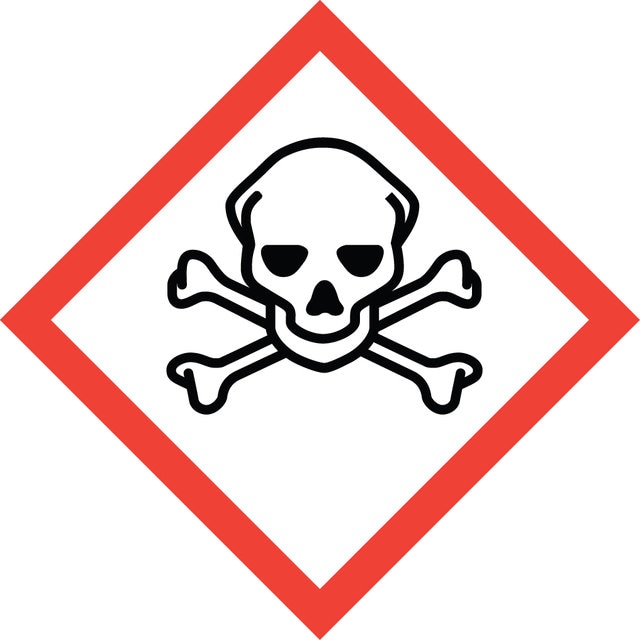
Słowo ostrzegawcze
Danger
Kody zagrożeń
Hazard Classifications
Acute Tox. 2 Dermal - Acute Tox. 2 Inhalation - Acute Tox. 2 Oral
Klasa składowania
6.1A - Combustible acute toxic Cat. 1 and 2 / very toxic hazardous materials
Co się dzieje?
WGK 3
Temperatura zapłonu (°F)
Not applicable
Temperatura zapłonu (°C)
Not applicable
Wybierz jedną z najnowszych wersji:
Masz już ten produkt?
Dokumenty związane z niedawno zakupionymi produktami zostały zamieszczone w Bibliotece dokumentów.
-
I purchased SAE0089 (streptolysin o). I see in many protocols and one of your datasheets that Streptolysin o should be treated with 10 mM dithiothreitol before using it. However, I don't see that indication anywhere for SAE0089. Do I still need to treat it with DTT?
1 answer-
Helpful?
-