



There are 2 kits for Napthol AS-D Chloroacetate kit for the detection of specific esterase. The kit is more commonly used with peripheral blood or bone marrow, but it is also possible to use the kit with either paraffin or frozen sections. Tissue will have to be selected for analysis, and frozen sections would then need to be cut. Once the frozen sections are obtained, the procedure is identical to the start procedure performed in a traditional histology laboratory. to perform the staining and have the slide ready for analysis is 30 minutes or possibly slightly longer. The staining procedure takes about 30 minutes or longer. Warmed reagents at 37°C are needed. Including a known positive control, like a paraffin section, is necessary. Deparaffinizing and staining the slide with the frozen section is good practice. A water bath speeds up the process. Using just a hot air oven may require 30 minutes or more leading to 60 minutes. This may be unacceptable for human testing.
Fortfahren mit
91C

Spezifische Leukozyten-Naphthol-AS-D-Chloracetat-Esterase (Kit)
Synonym(e):
Leder-Färbung
Größe auswählen
| Größe/SKU | Verfügbarkeit | Preis |
|---|---|---|
1 kit | Warenkorb auf Verfügbarkeit prüfen | € 382,00 |
Über diesen Artikel
description
Kit formulated with all liquid reagents
Quality Segment
shelf life
Expiry date on the label.
IVD
for in vitro diagnostic use
dilution
(for histology)
application(s)
hematology
histology
shipped in
wet ice
storage temp.
2-8°C
Application
1 of 1
Dieser Artikel | |||
|---|---|---|---|
| description - | description - | description Select reagents packaged in gelatin capsules. | description Kit formulated with all liquid reagents. |
| application(s) hematology | application(s) hematology | application(s) hematology | application(s) hematology |
| shipped in wet ice | shipped in wet ice | shipped in wet ice | shipped in wet ice |
| Quality Level 500 | Quality Level 500 | Quality Level 500 | Quality Level 500 |
| description Kit formulated with all liquid reagents | description Select reagents packaged in gelatin capsules | description - | description - |
| shelf life Expiry date on the label. | shelf life Expiry date on the label. | shelf life Expiry date on the label. | shelf life Expiry date on the label. |
| IVD for in vitro diagnostic use | IVD for in vitro diagnostic use | IVD for in vitro diagnostic use | IVD for in vitro diagnostic use |
Still not finding the right product?
Explore all of our products under Spezifische Leukozyten-Naphthol-AS-D-Chloracetat-Esterase (Kit)
Signalwort
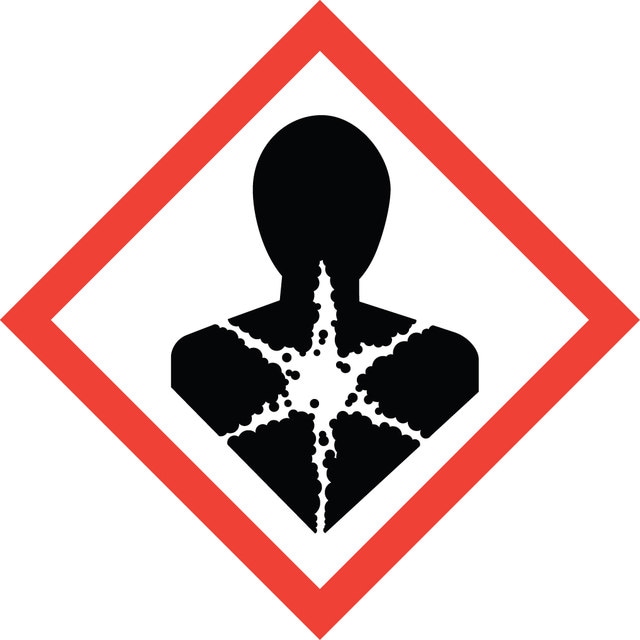
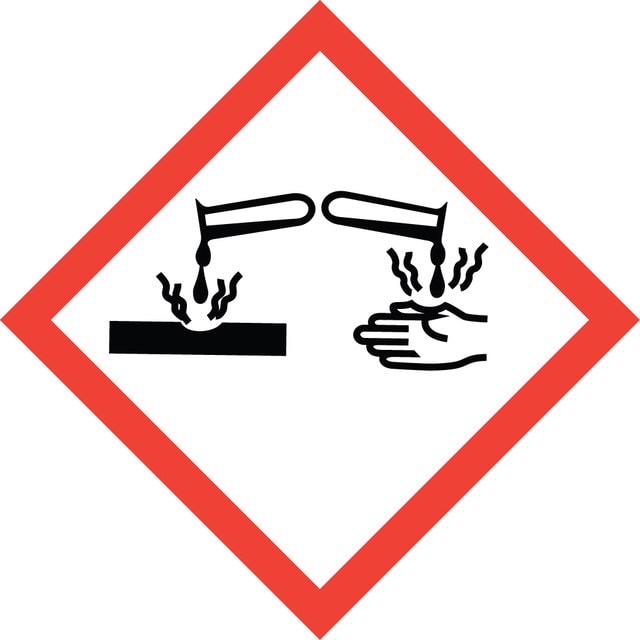
Danger
Gefahrencodes
Zielorgane
Kidney, Respiratory system
supp_hazards
Lagerklasse
6.1C - Combustible acute toxic Cat.3 / toxic compounds or compounds which causing chronic effects
Was ist los?
WGK 3
Hazard Classifications
Acute Tox. 4 Oral - Eye Dam. 1 - Met. Corr. 1 - Repr. 1B - Skin Corr. 1B - Skin Sens. 1 - STOT RE 2 Oral - STOT SE 3
Hier finden Sie alle aktuellen Versionen:
Besitzen Sie dieses Produkt bereits?
In der Dokumentenbibliothek finden Sie die Dokumentation zu den Produkten, die Sie kürzlich erworben haben.
-
Is Napthol AS-D Chloroacetate (Specific Esterase) Kit used for identifying neutrophils in Frozen Section tissue in pathology laboratories during surgeries? Also, is there a real-time protocol available for using this stain during surgeries?
1 answer-
Helpful?
-
-
What is the difference between 90C2-1KT and 91C-1KT?
1 answer-
The 90C2 and the 91C kits produce the same staining results and can be chosen based on the customer's preference. The 90C2 kit uses capsules and a diazonium salt for staining, while the 91C kit utilizes a stable base solution and requires the use of a sodium nitrite solution. The main differences between the two kits lie in the formulation, ease of use for the customer, and the hours needed for manufacturing. There may also be some variation in the length of the kit expiration dating.
Helpful?
-
-
Is there a kit available for staining Naphthol AS-D chloroacetate that can be completed in less than 30 minutes from start to finish?
1 answer-
Comparing the 91C and 90C2 kits, the primary incubation for 91C is 15 minutes, while the 90C2 requires 30 minutes. These times do not encompass other necessary steps like prewarming. There are other quick kits available, such as Sudan Black B and Myeloperoxidase, which are used for staining neutrophils. When using the Sudan Black B or Myeloperoxidase kits, monocytes do stain but with less intensity, allowing for differentiation between the two cell types based on stain intensity. The same is true for the Naphthol AS-D chloroacetate procedure, where staining in monocytes is typically weak to absent.
Helpful?
-
-
How many slides can be stained using kits 90C2 or 91C?
1 answer-
Kit 90C2 is designed for 10 uses, with each use requiring approximately 50 mL of staining reagent. This volume of solution is typically sufficient to stain from 1 to 13 or 14 slides, meaning the kit can stain a minimum of 10 slides or a maximum of 130-140 slides, with the average use falling between these two extremes. Similarly, Kit 91C is also designed for 10 uses, with each use requiring approximately 50 mL of staining reagent. This volume of solution is typically sufficient to stain from 1 to 13 or 14 slides. However, this kit is prepared with all liquid reagents. If staining is done using coverslips or placing the tissue sections on the very end of the glass slide, it might actually be possible to get 20 uses out of the kit. For reduced volume usage, simply scale the volume for each reagent by an equal amount proportional to what is used in the standard protocol.
Helpful?
-