
Fortfahren mit
Größe auswählen
| Größe/SKU | Verfügbarkeit | Preis |
|---|
Über diesen Artikel
grade
pharmaceutical analytical impurity (PAI)
agency
USP
API family
piperazine
manufacturer/tradename
USP
application(s)
pharmaceutical
pharmaceutical
pharmaceutical small molecule
format
neat
storage temp.
-10 to -25°C
General description
USP PAI are a product line of impurities suitable for research and analytical purposes, which help to ensure the quality and safety of medicines.
Application
Features and Benefits
1. Conduct analytical tests during early formulation feasibility studies.
2. Determine degradation impurities produced during stress studies.
3. Develop, validate, and transfer analytical methods.
4. Perform spiking studies during process R&D to demonstrate depletion upon recrystallization.
5. Record retention times and/or spectra
6. Determine relative response factors.
7. Identify unknown impurities that formed during ICH stability conditions.
8. Identify impurities that are present in the Reference Listed Drug
9. Test for and profile impurities not listed in drug substance and drug product monographs.
Analysis Note
Other Notes
1 of 1
Dieser Artikel | |||
|---|---|---|---|
| description Pharmaceutical Analytical Impurity (PAI) | description pharmaceutical analytical impurity (PAI) | description pharmaceutical analytical impurity (PAI) | description Pharmaceutical Analytical Impurity (PAI) |
| grade pharmaceutical analytical impurity (PAI) | grade pharmaceutical analytical impurity (PAI) | grade pharmaceutical analytical impurity (PAI) | grade pharmaceutical analytical impurity (PAI) |
| manufacturer/tradename USP | manufacturer/tradename USP | manufacturer/tradename USP | manufacturer/tradename USP |
| application(s) pharmaceutical | application(s) pharmaceutical small molecule | application(s) pharmaceutical small molecule | application(s) pharmaceutical |
| format neat | format neat | format neat | format neat |
| API family piperazine | API family - | API family - | API family - |
| agency USP | agency USP | agency USP | agency USP |

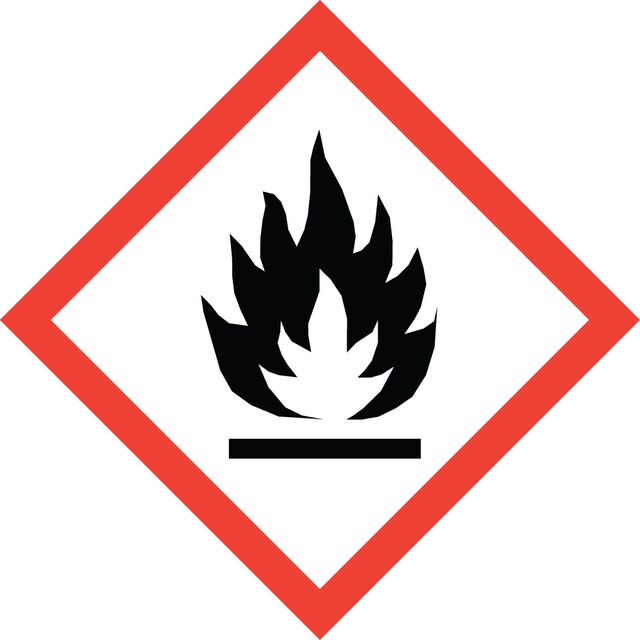
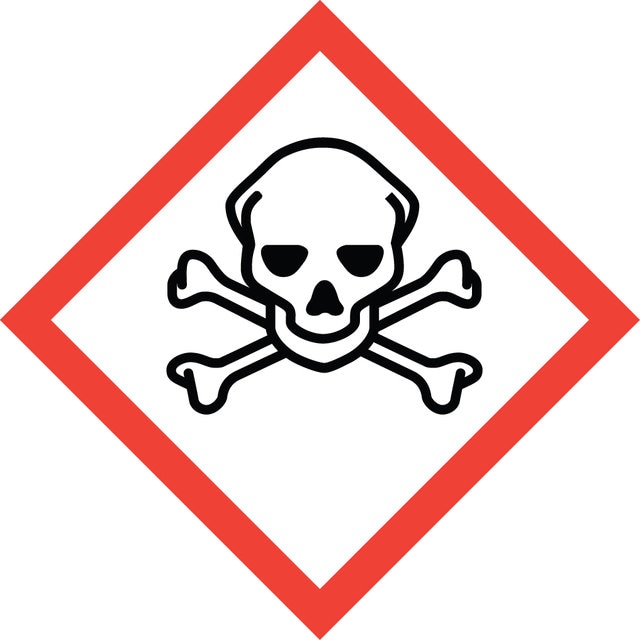
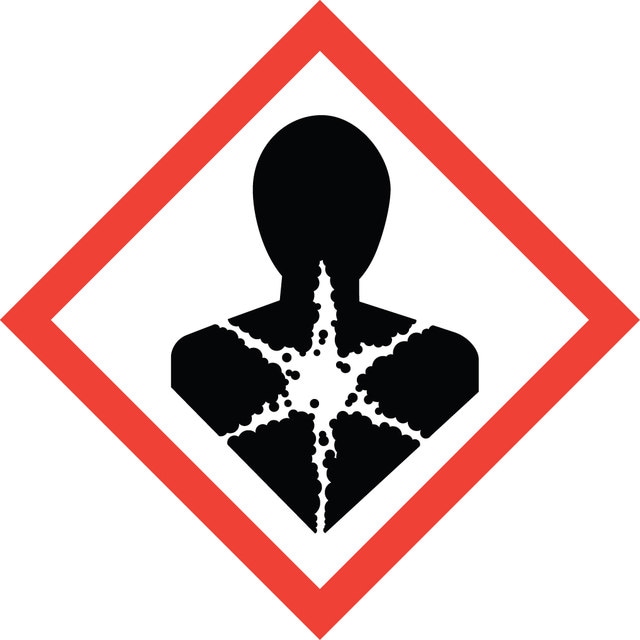
Signalwort
Danger
Gefahrencodes
Sicherheitshinweise
Hazard Classifications
Acute Tox. 3 Dermal - Acute Tox. 3 Inhalation - Acute Tox. 3 Oral - Flam. Liq. 2 - STOT SE 1
Zielorgane
Eyes,Central nervous system
Lagerklasse
3 - Flammable liquids
Was ist los?
WGK 2
Flammpunkt (°F)
49.5 °F
Flammpunkt (°C)
9.7 °C
Zulassungslistungen
Zulassungslistungen werden hauptsächlich für chemische Produkte erstellt. Für nicht-chemische Produkte können hier nur begrenzte Angaben gemacht werden. Kein Eintrag bedeutet, dass keine der Komponenten gelistet ist. Es liegt in der Verantwortung des Benutzers, die sichere und legale Verwendung des Produkts zu gewährleisten.
67-56-1
Hier finden Sie alle aktuellen Versionen:
Besitzen Sie dieses Produkt bereits?
In der Dokumentenbibliothek finden Sie die Dokumentation zu den Produkten, die Sie kürzlich erworben haben.