
417246

二甲基锌 溶液
1.0 M in heptane
别名:
Dimethylzinc
登录 查看组织和合同定价。
关于此项目
线性分子式:
(CH3)2Zn
化学文摘社编号:
分子量:
95.46
UNSPSC Code:
12352103
NACRES:
NA.22
PubChem Substance ID:
MDL number:
Beilstein/REAXYS Number:
3587195
跳至
产品名称
二甲基锌 溶液, 1.0 M in heptane
InChI
1S/2CH3.Zn/h2*1H3;
SMILES string
C[Zn]C
InChI key
AXAZMDOAUQTMOW-UHFFFAOYSA-N
form
liquid
concentration
1.0 M in heptane
bp
44-46 °C
density
0.724 g/mL at 25 °C
Quality Level
正在寻找类似产品? 访问 产品对比指南
1 of 4
此商品 | 220809 | 406023 | 296112 |
|---|---|---|---|
| density 0.724 g/mL at 25 °C | density 0.915 g/mL at 25 °C | density 0.74 g/mL at 25 °C | density 0.726 g/mL at 25 °C |
| Quality Level 100 | Quality Level 100 | Quality Level 100 | Quality Level 100 |
| concentration 1.0 M in heptane | concentration 15 wt. % in toluene | concentration 1.0 M in heptane | concentration 1.0 M in hexanes |
| bp 44-46 °C | bp - | bp 98 °C | bp - |
| form liquid | form liquid | form liquid | form - |


Application
Dimethylzinc solution can be used as:
- A catalyst with nickel for the stereoselective C−2 alkenylation and dialkenylation of pyridine derivatives by alkynes to give monoalkenylation products.[1]
- A reagent with aldehydes and 2-methoxyaniline for the synthesis of enantioselective alkyl and aralkyl secondary amines via one-pot three-component coupling reaction in the presence of zirconium tetraisopropoxide.[2]
- A methylating reagent for methylation of fluoroalkylated pyruvates in the presence of copper/chiral diphosphine catalyst.[3]
General description
Dimethylzinc (Zn(CH3)2) is a methylating reagent used to prepare methylated organic compounds as well as organometallic compounds containing methyl groups [4][5]. It is also utilized as a reagent to prepare amino alcohols, oximes, and hydrazones from arylamines, alkoxyamines, and dialkylhydrazines respectively, by radical addition reaction in the presence of air and THF.[6]
Dimethylzinc is a diorganozinc reagent and nucleophile used in the synthesis of propargylic amines. [7][6]
Dimethylzinc is a diorganozinc reagent and nucleophile used in the synthesis of propargylic amines. [7][6]
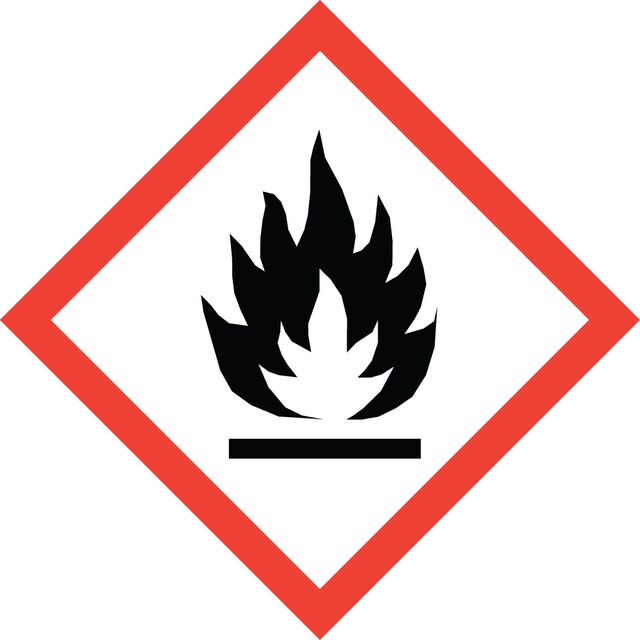
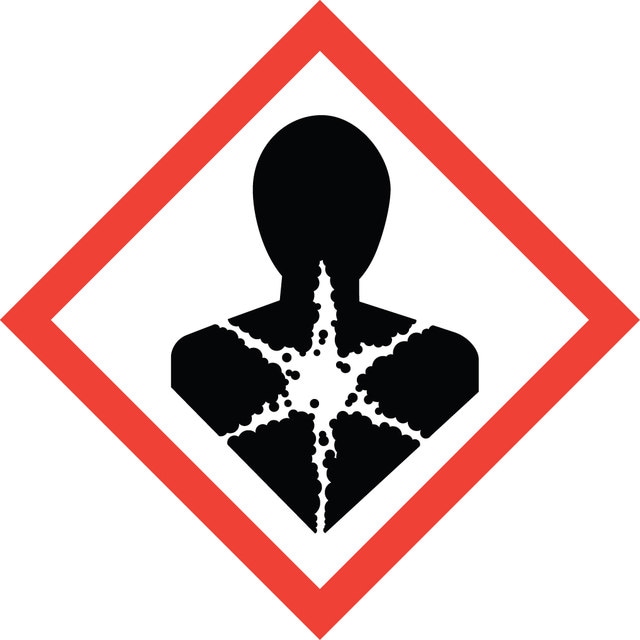
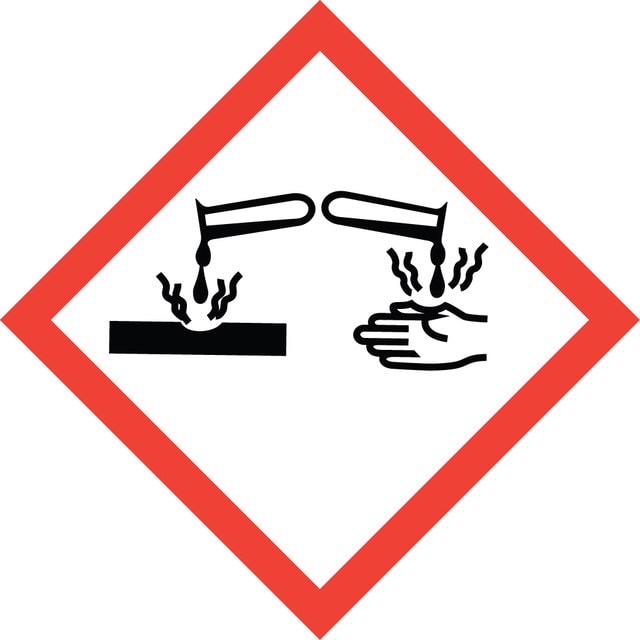
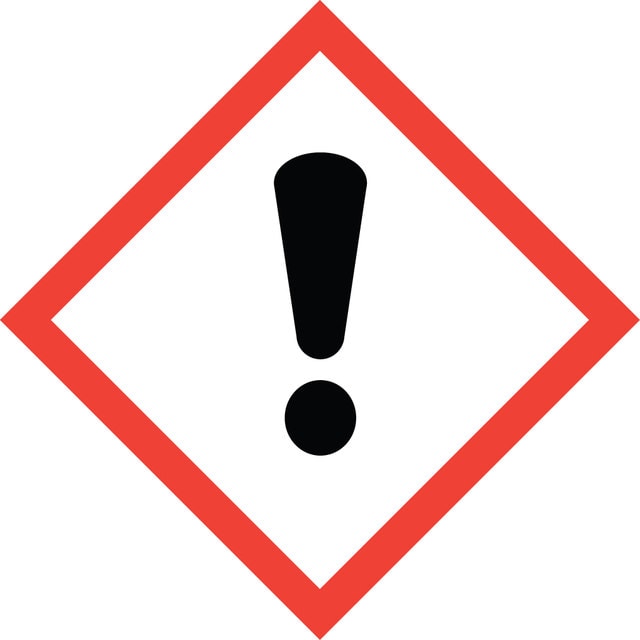
signalword
Danger
Hazard Classifications
Aquatic Acute 1 - Aquatic Chronic 1 - Asp. Tox. 1 - Eye Dam. 1 - Flam. Liq. 2 - Pyr. Liq. 1 - Skin Corr. 1B - STOT SE 3 - Water-react 2
target_organs
Central nervous system
存储类别
4.2 - Pyrophoric and self-heating hazardous materials
wgk
WGK 3
flash_point_f
30.2 °F - closed cup
flash_point_c
-1 °C - closed cup
ppe
Faceshields, Gloves, Goggles
Kohsuke Aikawa et al.
Beilstein journal of organic chemistry, 14, 576-582 (2018-04-07)
The catalytic asymmetric methylation of fluoroalkylated pyruvates is shown with dimethylzinc as a methylating reagent in the presence of a copper catalyst bearing a chiral phosphine ligand. This is the first catalytic asymmetric methylation to synthesize various α-fluoroalkylated tertiary alcohols
Formation of transient dimethylzinc, dimethylcadmium, and dimethyllead species via methylation of zinc (2+), cadmium (2+), and lead (2+) by a trans-dimethylcobalt complex
Witman MW and Weber JH
Inorganic Chemistry, 16(10), 2512-2515 (1977)
Dimethylzinc-mediated alkynylation of imines
Lorenzo Z et al.
The Journal of Organic Chemistry, 71, 1558-1562 (2006)
Tito Akindele et al.
Accounts of chemical research, 42(2), 345-355 (2008-12-31)
Developments in modern organic synthesis owe much to the field of radical chemistry. Mild reaction conditions, high selectivity, good functional group tolerance and high product yield are features that have made reactions involving radical species indispensable tools for synthetic chemists.
Diethylzinc
Georges-Pierre and E
Synlett, 1937-1938 (2014)
Active Filters
我们的科学家团队拥有各种研究领域经验,包括生命科学、材料科学、化学合成、色谱、分析及许多其他领域.
联系客户支持