
Przejdź do
Wybierz wielkość
| Rozmiar/SKU | Dostępność | Cena netto |
|---|
Informacje o tej pozycji
grade
pharmaceutical analytical impurity (PAI)
agency
USP
API family
piperazine
manufacturer/tradename
USP
application(s)
pharmaceutical
pharmaceutical
pharmaceutical small molecule
format
neat
storage temp.
-10 to -25°C
General description
USP PAI are a product line of impurities suitable for research and analytical purposes, which help to ensure the quality and safety of medicines.
Application
Features and Benefits
1. Conduct analytical tests during early formulation feasibility studies.
2. Determine degradation impurities produced during stress studies.
3. Develop, validate, and transfer analytical methods.
4. Perform spiking studies during process R&D to demonstrate depletion upon recrystallization.
5. Record retention times and/or spectra
6. Determine relative response factors.
7. Identify unknown impurities that formed during ICH stability conditions.
8. Identify impurities that are present in the Reference Listed Drug
9. Test for and profile impurities not listed in drug substance and drug product monographs.
Analysis Note
Other Notes
1 of 1
Ta pozycja | |||
|---|---|---|---|
| description Pharmaceutical Analytical Impurity (PAI) | description pharmaceutical analytical impurity (PAI) | description pharmaceutical analytical impurity (PAI) | description Pharmaceutical Analytical Impurity (PAI) |
| grade pharmaceutical analytical impurity (PAI) | grade pharmaceutical analytical impurity (PAI) | grade pharmaceutical analytical impurity (PAI) | grade pharmaceutical analytical impurity (PAI) |
| manufacturer/tradename USP | manufacturer/tradename USP | manufacturer/tradename USP | manufacturer/tradename USP |
| application(s) pharmaceutical | application(s) pharmaceutical small molecule | application(s) pharmaceutical small molecule | application(s) pharmaceutical |
| format neat | format neat | format neat | format neat |
| API family piperazine | API family - | API family - | API family - |
| storage temp. -10 to -25°C | storage temp. - | storage temp. 2-8°C | storage temp. 2-8°C |

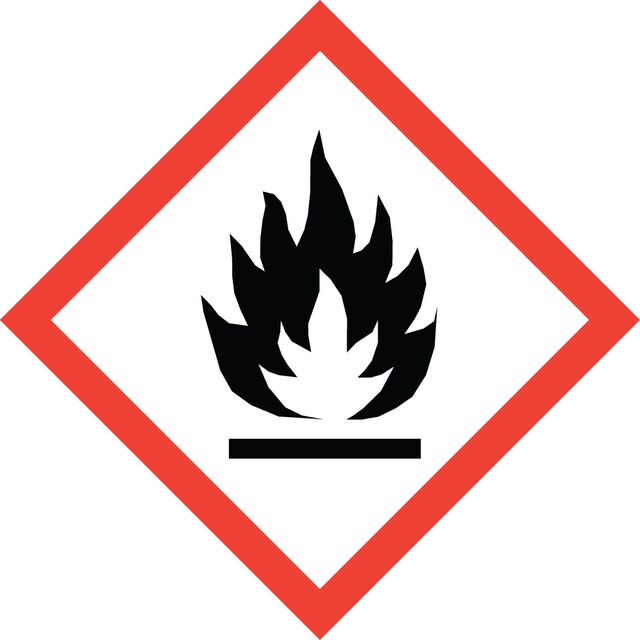
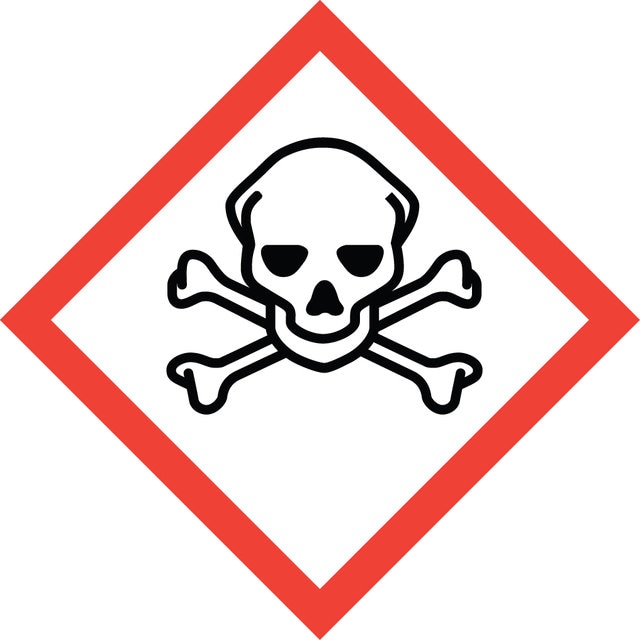

Słowo ostrzegawcze
Danger
Kody zagrożeń
Hazard Classifications
Acute Tox. 3 Dermal - Acute Tox. 3 Inhalation - Acute Tox. 3 Oral - Flam. Liq. 2 - STOT SE 1
Narządy docelowe
Eyes,Central nervous system
Klasa składowania
3 - Flammable liquids
WGK
WGK 2
Temperatura zapłonu (°F)
49.5 °F
Temperatura zapłonu (°C)
9.7 °C
Wykazy regulacyjne
Wykazy regulacyjne dotyczą głównie produktów chemicznych. Można w nich podawać ograniczoną liczbę informacji na temat produktów niechemicznych. Brak wpisu oznacza, że żaden ze składników nie znajduje się w wykazie. Użytkownik odpowiada za zagwarantowanie bezpiecznego i zgodnego z prawem stosowania produktu.
67-56-1
Wybierz jedną z najnowszych wersji:
Masz już ten produkt?
Dokumenty związane z niedawno zakupionymi produktami zostały zamieszczone w Bibliotece dokumentów.