


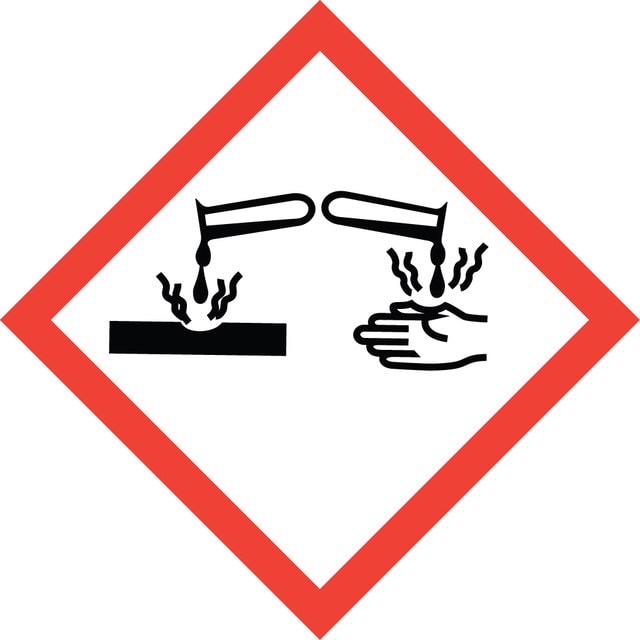
The Acetaldehyde Assay Kit is suitable for food/beverage acetaldehyde testing. Ethanol is not a substrate for the primary enzyme. This kit has not been tested specifically for use with high ABV (alcohol by volume) samples. However, high ABV materials are not expected to cause direct interference. Results must be validated by dilution/linearity and spike-recovery testing. Use should be limited to a properly equipped laboratory with trained personnel, appropriate PPE, and SDS/instruction compliance. Non-laboratory use is not recommended due to safety, regulatory, and handling considerations.
MAK321

Acetaldehyde Assay Kit
sufficient for 100 fluorometric tests
Synonym(s):
Acetaldehyde Quantitation Kit
Sign In to View Organizational & Contract Pricing.
Select a Size
Change View
| Size/SKU | Availability | Price |
|---|---|---|
1 kit | Check Cart for Availability | $388.00 |
About This Item
NACRES:
NA.84
UNSPSC Code:
12161503
usage
sufficient for 100 fluorometric tests
input
culture(s)
food(s)
serum
plasma
tissue
urine
beverage(s)
application(s)
cosmetics
food and beverages
detection method
fluorometric
relevant disease(s)
gastrointestinal diseases
storage temp.
−20°C
General description
Acetaldehyde is one of the most widely occurring aldehydes in nature and commonly used in industry. The metabolic byproduct of ethanol in the liver, acetaldehyde is toxic to the human body and rapidly converted to the less harmful acetic acid by the enzyme aldehyde dehydrogenase. People with a deficiency of aldehyde dehydrogenase accumulate acetaldehyde when consuming alcohol and this accumulation results in facial and body flushing known as alcohol flush reaction. Build up of acetaldehyde has also been associated with the effects of hangovers from alcohol consumption. Although classified as a carcinogen, acetaldehyde is naturally found in many foods and beverages such as ripe fruit, coffee, and wine.
Application
Suitable for biological samples (e.g. plasma, serum, urine, tissue and culture media) and food/beverage samples (e.g. wine, coffee, and juice)
The Acetaldehyde Assay Kit may be used for:
- Food and Beverage Testing
- Gastrointestinal Disease Research
Biochem/physiol Actions
The fluorimetric acetaldehyde assay is based on aldehyde dehydrogenase catalyzed oxidation of acetaldehyde, in which the generated NADH reduces a probe making it fluorescent. The fluorescence intensity of the product measured at λex/em = 530/585 nm is directly proportional to acetaldehyde concentration in the sample.
Features and Benefits
Enhanced Detection Range: Detect Acetaldehyde levels accurately across a wide range, from 0.5 µM to 60 µM, using only 50 μL of sample in a 96-well plate setup, ensuring comprehensive analysis with minimal sample requirement.
Simplified Process: Experience a streamlined process with the addition of only a single working reagent and a 30 minute room temperature reaction, reducing complexity and saving valuable time and effort.
Compatibility with High-Throughput Systems: Easily incorporate our kit into high-throughput handling systems, ensuring smooth and accurate processing, enhancing efficiency in your laboratory workflow.
Simplified Process: Experience a streamlined process with the addition of only a single working reagent and a 30 minute room temperature reaction, reducing complexity and saving valuable time and effort.
Compatibility with High-Throughput Systems: Easily incorporate our kit into high-throughput handling systems, ensuring smooth and accurate processing, enhancing efficiency in your laboratory workflow.
Other Notes
For additional information on our range of Biochemicals, please complete this form.
1 of 1
This Item | |||
|---|---|---|---|
| description sufficient for 100 fluorometric tests | description sufficient for 200 fluorometric tests | description Sufficient for 100 colorimetric tests | description sufficient for 100 colorimetric or fluorometric tests |
| usage sufficient for 100 fluorometric tests | usage sufficient for 200 fluorometric tests | usage - | usage sufficient for 100 colorimetric or fluorometric tests |
| detection method fluorometric | detection method fluorometric | detection method colorimetric | detection method colorimetric, fluorometric |
| input culture(s) | input - | input cell culture medium | input biological sample(s) |
| storage temp. −20°C | storage temp. −20°C | storage temp. −20°C | storage temp. −20°C |
| relevant disease(s) gastrointestinal diseases | relevant disease(s) neurological disorders | relevant disease(s) gastrointestinal diseases | relevant disease(s) gastrointestinal diseases; cancer |
| application(s) cosmetics | application(s) environmental | application(s) agriculture | application(s) pharmaceutical |
Still not finding the right product?
Explore all of our products under Acetaldehyde Assay Kit
Signal Word
Danger
Hazard Codes
Precautionary Statements
Hazard Classifications
Eye Dam. 1 - Met. Corr. 1 - Skin Corr. 1B
Storage Class
8A - Combustible corrosive hazardous materials
Choose from one of the most recent versions:
Already Own This Product?
Find documentation for the products that you have recently purchased in the Document Library.
-
Hi, can the Acetaldehyde Assay Kit (MAK 321) could produce reliable results for assessing acetaldehyde concentrations in high ABV (say 40-50% alcohol by volume) distilled spirits, and if there are any safety issues with its use in a non-lab setting. Thnx!
1 answer-
Helpful?
-
-
Hi, I want to ask a question regarding the fluorometric acetaldehyde assay kit (MAK321). Is it suitable for determining acetaldehyde levels in cell culture pellets, and what is the detection range if cell culture supernatant is used?
1 answer-
We have not tested the product in the above mentioned application. The product has been tested to be suitable for a variety of biological samples (e.g., plasma, serum, urine, tissue, and culture media.) or food/beverage samples (e.g., wine, coffee, and juice). The cell pellet may not be suitable. To discuss this further, we kindly ask you to navigate to the link https://www.sigmaaldrich.com/techservice, click on "Report Product Issues" under the Products Section with all the required information so that a member of our team can reach out to you to assist further. Thank you.
Helpful?
-