



The method of preparation for these products is considered proprietary; however, both items are manufactured from the same synthesized precursor. Each item is prepared using a unique method to meet specifications, i.e., powder or beaded form, purity. Neither are additionally purified.
466352

Tin(II) iodide
−10 mesh, 99.999% trace metals basis
Synonym(s):
Stannous iodide, Tin diiodide
Sign In to View Organizational & Contract Pricing.
Select a Size
Change View
| Size/SKU | Availability | Price |
|---|
About This Item
Linear Formula:
SnI2
CAS Number:
Molecular Weight:
372.52
NACRES:
NA.23
PubChem Substance ID:
UNSPSC Code:
12352302
EC Number:
233-667-3
MDL number:
Assay:
99.999% trace metals basis
Form:
powder
Pricing and availability is not currently available.
Quality Segment
assay
99.999% trace metals basis
form
powder
reaction suitability
core: tin
impurities
≤15.0 ppm Trace Metal Analysis
bp
714 °C (lit.)
mp
320 °C (lit.)
density
5.28 g/mL at 25 °C (lit.)
application(s)
material synthesis precursor
perovskite solar cells
SMILES string
I[SnH2]I
InChI
1S/2HI.Sn/h2*1H;/q;;+2/p-2
InChI key
JTDNNCYXCFHBGG-UHFFFAOYSA-L
General description
Tin(II) iodide is an orange crystalline solid with a high melting point. It is widely used to fabricate organic–inorganic solar cells, light-emitting devices, and secondary batteries. It acts as a reducing agent.
Application
Tin(II) iodide can be used:
- As a precursor to fabricate methylammonium tin iodide films for heterojunction-depleted perovskite solar cells using solvent-mediated crystallization.
- To prepare highly stable perovskite thin films for Pb-free light-emitting diodes(PeLEDs). and a new air-stable one-dimensional (1D) hybrid lead-free halide material (DAO)Sn2I6 which emits broad orange light at 634 nm and photoluminescence quantum yield of 36%.
- As a dual-functional electrolyte additive in high-rate Li-air batteries. SnI2 protects the lithium anode and reduces charge potential by promoting the decomposition of the Li2O2.
- To synthesize mixed Pb–Sn perovskite films with formamidine sulfinic acid(FSA) for all tandem perovskite solar cells.
1 of 1
This Item | |||
|---|---|---|---|
| description −10 mesh, 99.999% trace metals basis | description AnhydroBeads™, 99.99% trace metals basis, (Perovskite grade) | description AnhydroBeads™, −10 mesh, 99.99% trace metals basis | description 99.99% trace metals basis |
| form powder | form powder | form beads | form powder |
| assay 99.999% trace metals basis | assay 99.99% trace metals basis | assay 99.99% trace metals basis | assay 99.99% trace metals basis |
| Quality Level 100 | Quality Level 100 | Quality Level 100 | Quality Level 100 |
| density 5.28 g/mL at 25 °C (lit.) | density 5.28 g/mL at 25 °C (lit.) | density 5.28 g/mL at 25 °C (lit.) | density - |
| impurities ≤15.0 ppm Trace Metal Analysis | impurities - | impurities ≤150.0 ppm Trace Metal Analysis | impurities - |
| mp 320 °C (lit.) | mp 320 °C (lit.) | mp 320 °C (lit.) | mp - |
Still not finding the right product?
Explore all of our products under Tin(II) iodide
Signal Word
Danger
Hazard Codes
Precautionary Statements
Target Organs
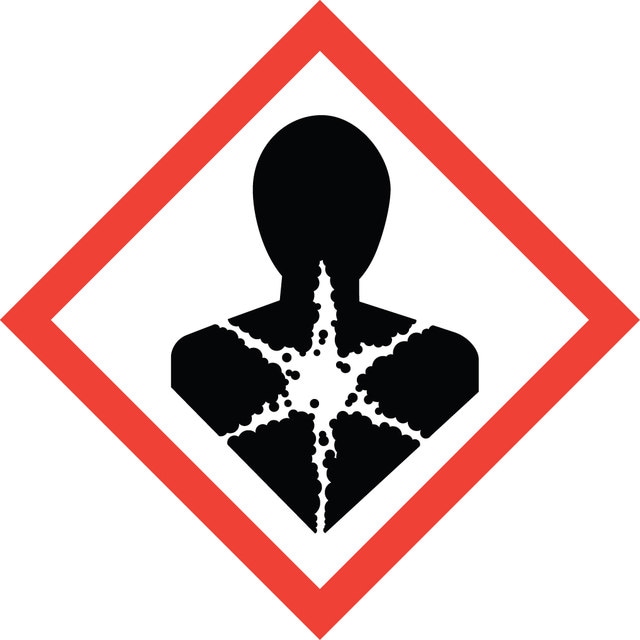
Cardio-vascular system,hematopoietic system, Respiratory system
Storage Class
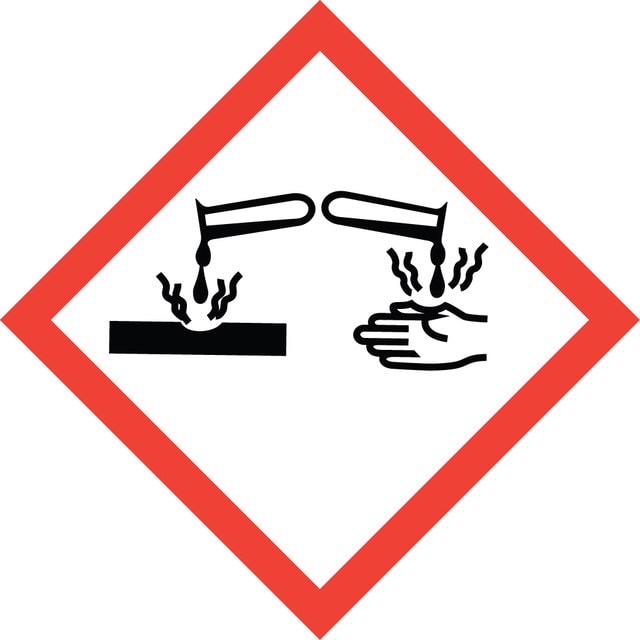
8A - Combustible corrosive hazardous materials
WGK
WGK 3
Flash Point (°F)
Not applicable
Flash Point (°C)
Not applicable
PPE (personal protective equipment)
Eyeshields, Faceshields, Gloves, type P2 (EN 143) respirator cartridges
Hazard Classifications
Acute Tox. 4 Inhalation - Acute Tox. 4 Oral - Aquatic Chronic 3 - Eye Dam. 1 - Met. Corr. 1 - Skin Corr. 1B - Skin Sens. 1 - STOT RE 2 - STOT SE 3
Choose from one of the most recent versions:
Already Own This Product?
Find documentation for the products that you have recently purchased in the Document Library.
-
This is important to whether I buy your product.I would like to ask whether 409308 and 466352 are products obtained by two different synthetic routes or 466352 was obtained by further purifying 409308. And how do you synthesize and purify Tin(II) iodide?
1 answer-
Helpful?
-