
87809

Retinyl propionate
≥98.0% (sum of isomers, HPLC), ~2500 U/mg
Synonym(s):
Vitamin A propionate
Select a Size
| Size/SKU | Availability | Price |
|---|---|---|
25 g | Available to ship TODAYfromMILWAUKEE | $128.00 |
100 g | Available to ship TODAYfromMILWAUKEE | $356.00 |
About This Item
biological source
synthetic
Quality Segment
assay
≥98.0% (sum of isomers, HPLC)
form
liquid
specific activity
~2500 U/mg
contains
BHT as stabilizer
impurities
~5% cis-isomers
color
green-yellow to very dark green-yellow, yellow to very dark yellow
storage temp.
2-8°C
SMILES string
CCC(=O)OC\C=C(C)\C=C\C=C(C)\C=C\C1=C(C)CCCC1(C)C
InChI
1S/C23H34O2/c1-7-22(24)25-17-15-19(3)11-8-10-18(2)13-14-21-20(4)12-9-16-23(21,5)6/h8,10-11,13-15H,7,9,12,16-17H2,1-6H3/b11-8+,14-13+,18-10+,19-15+
InChI key
SFRPDSKECHTFQA-ONOWFSFQSA-N
General description
Application
Biochem/physiol Actions
Other Notes
1 of 1
This Item | |||
|---|---|---|---|
| description ≥98.0% (sum of isomers, HPLC), ~2500 U/mg | description Pharmaceutical Secondary Standard; Certified Reference Material | description synthetic, crystalline solid or supercooled liquid | description solid or viscous liquid, BioReagent, synthetic, suitable for cell culture |
| assay ≥98.0% (sum of isomers, HPLC) | assay - | assay ≥90% (HPLC) | assay ≥90% (HPLC) |
| biological source synthetic | biological source - | biological source synthetic | biological source synthetic |
| form liquid | form liquid | form crystalline solid or supercooled liquid | form solid or viscous liquid |
| storage temp. 2-8°C | storage temp. 2-8°C | storage temp. −20°C | storage temp. −20°C |
| Quality Level 100 | Quality Level 300 | Quality Level 300 | Quality Level 200 |
| color green-yellow to very dark green-yellow, yellow to very dark yellow | color - | color light yellow to dark yellow | color light yellow to dark yellow |


Still not finding the right product?
Explore all of our products under Retinyl propionate
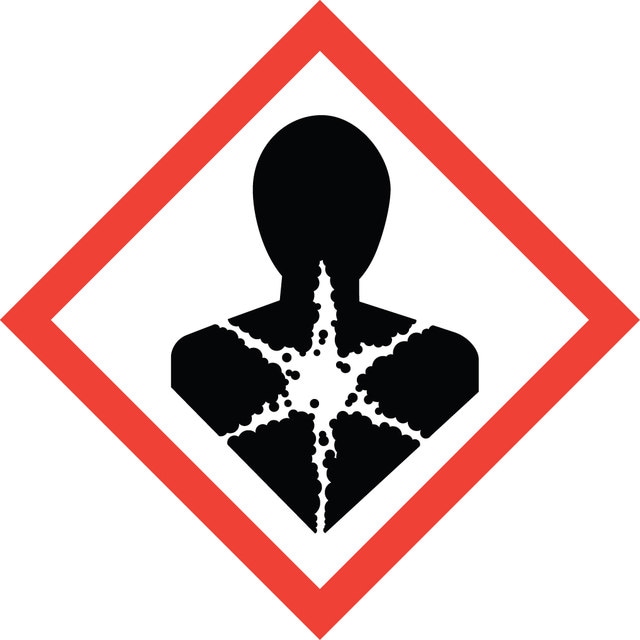
Signal Word
Danger
Hazard Codes
Precautionary Statements
Hazard Classifications
Aquatic Chronic 4 - Repr. 1B
Storage Class
6.1C - Combustible acute toxic Cat.3 / toxic compounds or compounds which causing chronic effects
Flash Point (°F)
262.4 °F - closed cup
Flash Point (°C)
128 °C - closed cup
PPE (personal protective equipment)
Eyeshields, Gloves, type ABEK (EN14387) respirator filter
Choose from one of the most recent versions:
Already Own This Product?
Find documentation for the products that you have recently purchased in the Document Library.