

This product includes 5 tablet sets (5 tablets). Each tablet dissolves in 15 mL of deionized water to yield 15 mL of ready-to-use solution, providing a total of 75 mL of working solution for immunohistology or immunoblotting assays.
D4418

3,3′-Diaminobenzidine
SIGMAFAST™, chromogenic, tablet
Synonym(s):
DAB, DAB tablets, Immunohistology substrate
Sign In to View Organizational & Contract Pricing.
Select a Size
Change View
| Size/SKU | Availability | Price |
|---|---|---|
5 sets | Check Cart for Availability | $102.00 |
50 sets | Check Cart for Availability | $571.00 |
About This Item
CAS Number:
UNSPSC Code:
12352204
PubChem Substance ID:
NACRES:
NA.83
MDL number:
$102.00
Check Cart for Availability
Product Name
SIGMAFAST™ 3,3′-Diaminobenzidine tablets, tablet, To prepare 15 mL
Quality Segment
form
tablet
technique(s)
immunodetection: suitable
solubility
water: 1 tablet/5 mL
storage temp.
−20°C
SMILES string
Nc1ccc(cc1N)-c2ccc(N)c(N)c2
InChI
1S/C12H14N4/c13-9-3-1-7(5-11(9)15)8-2-4-10(14)12(16)6-8/h1-6H,13-16H2
InChI key
HSTOKWSFWGCZMH-UHFFFAOYSA-N
Application
Developed for use in immunohistology and immunoblotting as a precipitating substrate for the localization of peroxidase activity. DAB is the immunohistology substrate of choice as it produces an intense brown-black stain which is resistant to alcohol. Slides stained with DAB may be dehydrated, mounted in resinous media, and stored for future reference. SIGMAFAST™ DAB Tablets require no additional buffers or steps to prepare an active substrate solution. Tablets are individually packaged in foil packets
Preparation Note
Each tablet set dissolved in 15 mL deionized water yields a ready-to-use buffered solution containing DAB and urea hydrogen peroxide.
Legal Information
SIGMAFAST is a trademark of Sigma-Aldrich Co. LLC
1 of 1
This Item | |||
|---|---|---|---|
| description tablet, To prepare 15 mL | description tablet, To prepare 1 mL | description tablet, To prepare 5 mL | description 97% (HPLC) |
| solubility water: 1 tablet/5 mL | solubility deionized water: 1 mL, clear, pink | solubility - | solubility - |
| technique(s) immunodetection: suitable | technique(s) protein detection: suitable | technique(s) protein detection: suitable | technique(s) - |
| Quality Level 200 | Quality Level 200 | Quality Level 200 | Quality Level 200 |
| form tablet | form tablet | form tablet | form powder |
| storage temp. −20°C | storage temp. −20°C | storage temp. −20°C | storage temp. room temp |
Still not finding the right product?
Explore all of our products under SIGMAFAST™ 3,3′-Diaminobenzidine tablets
Signal Word
Danger
Hazard Codes
Precautionary Statements
Hazard Classifications
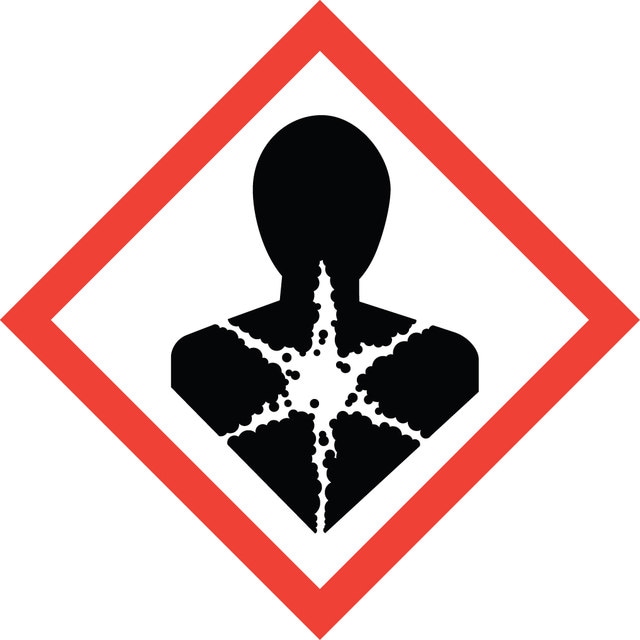
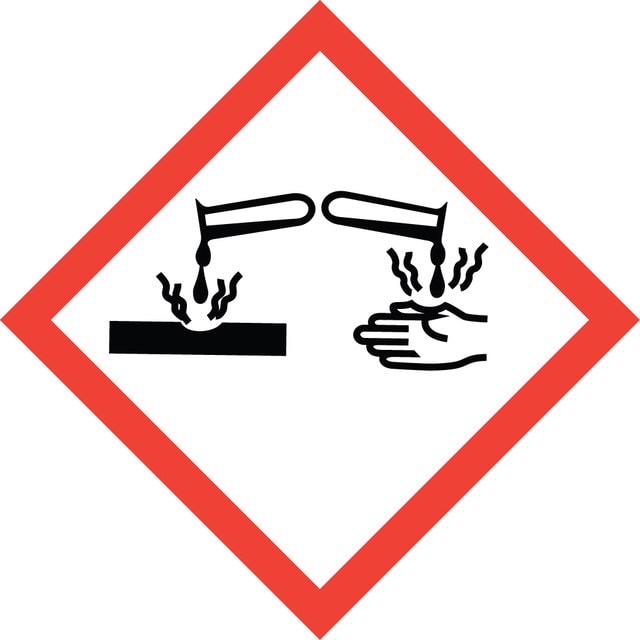
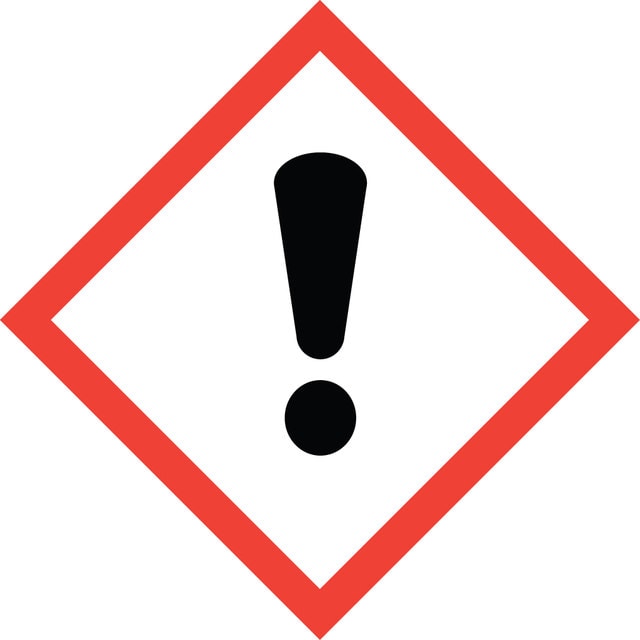
Acute Tox. 4 Oral - Carc. 1B - Eye Dam. 1 - Muta. 2 - Skin Irrit. 2 - STOT SE 3
Target Organs
Respiratory system
Storage Class
6.1C - Combustible acute toxic Cat.3 / toxic compounds or compounds which causing chronic effects
Flash Point (°F)
Not applicable
Flash Point (°C)
Not applicable
WGK
WGK 2
Choose from one of the most recent versions:
Already Own This Product?
Find documentation for the products that you have recently purchased in the Document Library.
-
Does the D4418-coded DAB product include 5 tablets? I would like to ask how many assays can be conducted with this amount
1 answer-
Helpful?
-