
80050

Bis(methylglycol) phthalate
technical, ≥90% (GC)
Synonym(s):
Bis(2-methoxyethyl) phthalate, Dimethylglycol phthalate
Sign In to View Organizational & Contract Pricing.
Select a Size
Change View
About This Item
Empirical Formula (Hill Notation):
C14H18O6
CAS Number:
Molecular Weight:
282.29
EC Number:
204-212-6
UNSPSC Code:
12352100
PubChem Substance ID:
Beilstein/REAXYS Number:
2056929
MDL number:
Assay:
≥90% (GC)
Form:
liquid
grade
technical
Quality Segment
assay
≥90% (GC)
form
liquid
refractive index
n
bp
230 °C/10 mmHg (lit.)
density
1.173 g/mL at 20 °C (lit.)
SMILES string
COCCOC(=O)c1ccccc1C(=O)OCCOC
InChI
1S/C14H18O6/c1-17-7-9-19-13(15)11-5-3-4-6-12(11)14(16)20-10-8-18-2/h3-6H,7-10H2,1-2H3
InChI key
HSUIVCLOAAJSRE-UHFFFAOYSA-N
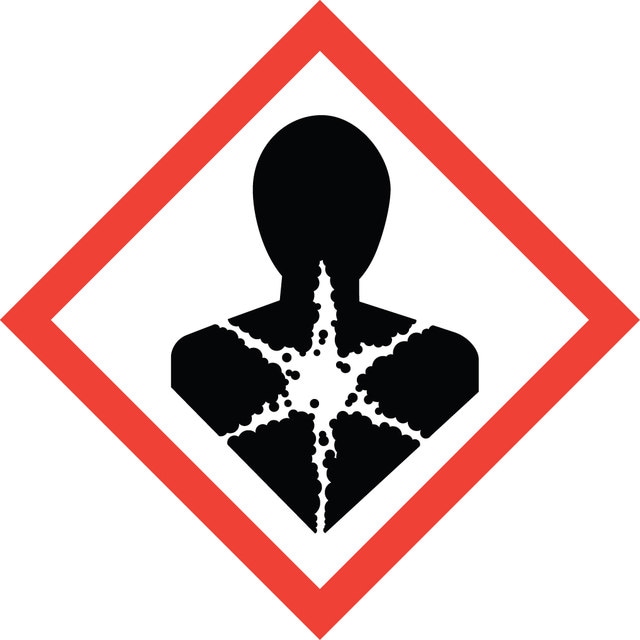
Signal Word
Danger
Hazard Codes
Precautionary Statements
Hazard Classifications
Repr. 1B
Storage Class
6.1C - Combustible acute toxic Cat.3 / toxic compounds or compounds which causing chronic effects
WGK
WGK 1
Flash Point (°F)
249.8 °F - closed cup
Flash Point (°C)
121 °C - closed cup
PPE (personal protective equipment)
Eyeshields, Gloves, type ABEK (EN14387) respirator filter
Choose from one of the most recent versions:
Already Own This Product?
Find documentation for the products that you have recently purchased in the Document Library.