
DMN70

GenElute™ Direct mRNA Miniprep Kits
sufficient for 70 purifications
Synonym(s):
GenElute™ Direct mRNA Miniprep Kit, GenElute™ mRNA Kit, Gen Elute
Sign In to View Organizational & Contract Pricing.
Select a Size
Change View
About This Item
NACRES:
NA.52
UNSPSC Code:
41105501
usage
sufficient for 70 purifications
Quality Segment
technique(s)
RNA purification: suitable
storage temp.
15-25°C
General description
Procedures such as cDNA synthesis, expression profiling and others require separation of mRNA from the vastly more abundant rRNA and tRNA. The GenElute mRNA kits provide convenient procedures for isolating polyadenylated mRNA from previously prepared total RNA or directly from mammalian cells and tissues.
For direct mRNA preparation, cells or tissues are disrupted with SDS/proteinase K digestion to release RNA and eliminate RNases. The kit uses oligo (dT) covalently linked to 1 μm polystyrene beads to capture polyadenylated mRNA by hybridization. The polystyrene beads remain suspended during hybridization, eliminating the need for mixing or rocking, as is common for cellulose or magnetic particles. Polystyrene was also chosen because oligo(dT) polystyrene beads yield cleaner mRNA with fewer stringent washing steps than does the more commonly used oligo(dT) cellulose (2 or 3 wash steps versus 10 or more). With the GenElute kits, mRNA-bead complexes are washed on a microcentrifuge spin filter, and eluted into 10 mM Tris-HCL, pH 7.5.
Up to 107 mammalian cells or 40 mg tissue are lysed and homogenized, either with the filtration columns provided or with a mechanical homogenizer. RNase is eliminated during a 10 minute proteinase K digestion. Sodium chloride is added, and polyadenylated RNA is captured on oligo(dT) polystyrene beads during a 10 minute incubation. For further enrichment, RNA may be released from the beads into fresh lysis solution and recaptured with the original beads. After 3 washes in a spin column, purified mRNA is eluted in 100 μL of 10 mM Tris-HCl, pH 7.4.
The purified mRNA is ready for Northern analysis, reverse transcription and PCR, labeling for arrays, and other common applications.
For direct mRNA preparation, cells or tissues are disrupted with SDS/proteinase K digestion to release RNA and eliminate RNases. The kit uses oligo (dT) covalently linked to 1 μm polystyrene beads to capture polyadenylated mRNA by hybridization. The polystyrene beads remain suspended during hybridization, eliminating the need for mixing or rocking, as is common for cellulose or magnetic particles. Polystyrene was also chosen because oligo(dT) polystyrene beads yield cleaner mRNA with fewer stringent washing steps than does the more commonly used oligo(dT) cellulose (2 or 3 wash steps versus 10 or more). With the GenElute kits, mRNA-bead complexes are washed on a microcentrifuge spin filter, and eluted into 10 mM Tris-HCL, pH 7.5.
Up to 107 mammalian cells or 40 mg tissue are lysed and homogenized, either with the filtration columns provided or with a mechanical homogenizer. RNase is eliminated during a 10 minute proteinase K digestion. Sodium chloride is added, and polyadenylated RNA is captured on oligo(dT) polystyrene beads during a 10 minute incubation. For further enrichment, RNA may be released from the beads into fresh lysis solution and recaptured with the original beads. After 3 washes in a spin column, purified mRNA is eluted in 100 μL of 10 mM Tris-HCl, pH 7.4.
The purified mRNA is ready for Northern analysis, reverse transcription and PCR, labeling for arrays, and other common applications.
The GenElute™ Direct mRNA Miniprep kit provides a convenient format to isolate polyadenylated mRNA directly from mammalian cells and tissues. The direct mRNA isolation procedure is based on that of Badley. Up to 107 mammalian cells or 40 mg tissue are lysed and homogenized, either with the filtration columns provided or with
a mechanical homogenizer. RNase is eliminated during a 10 minute proteinase K digestion. Sodium chloride is added, and polyadenylated RNA is captured on oligo(dT) polystyrene beads during a 10 minute incubation. For further enrichment, RNA may be released from the beads into fresh lysis solution and recaptured with the original beads. After 3 washes in a spin column, purified mRNA is eluted in 100 μl of 10 mM Tris-HCl, pH 7.4.
a mechanical homogenizer. RNase is eliminated during a 10 minute proteinase K digestion. Sodium chloride is added, and polyadenylated RNA is captured on oligo(dT) polystyrene beads during a 10 minute incubation. For further enrichment, RNA may be released from the beads into fresh lysis solution and recaptured with the original beads. After 3 washes in a spin column, purified mRNA is eluted in 100 μl of 10 mM Tris-HCl, pH 7.4.
Application
GenElute™ Direct mRNA Miniprep Kit has been used to isolate mRNA from various tissues and cells.
The GenElute Direct Kit mRNA kit provides convenient procedures for isolating polyadenylated mRNA from previously prepared total RNA or directly from mammalian cells and tissues.
Features and Benefits
- Poly (A)+ mRNA isolated from total RNA in 40 minutes or 60 minutes directly from cells and tissues
- Oligo(dT) polystyrene beads require fewer wash steps
- mRNA captured on oligo(dT) polystyrene beads in 10 minutes, with no mixing or rocking
- mRNA captured on oligo(dT) polystyrene beads in 10 minutes, with no mixing or rocking (Fig. 1)
- Poly (A)+ mRNA isolated from total RNA in 40 minutes (Fig. 2) or 60 minutes directly from cells and tissues (Fig. 3)
- Oligo(dT) polystyrene beads require fewer wash steps
Other Notes
For additional information, please see www.sigma-aldrich.com/mrna.
Use for isolating mRNA directly from mammalian cells or tissues.
Legal Information
GenElute is a trademark of Sigma-Aldrich Co. LLC
Still not finding the right product?
Explore all of our products under GenElute™ Direct mRNA Miniprep Kits
Kit Components Only
Product No.
Description
- Collection tube 70 ea
- Elution solution 10 mL
- Filtration columns with tubes 70 ea
- Lysis solution 120 mL
- 5 M NaCl 8 mL
- Oligo(dT)-polystyrene beads 2 mL
- Proteinase K 25 mg
See All (11)
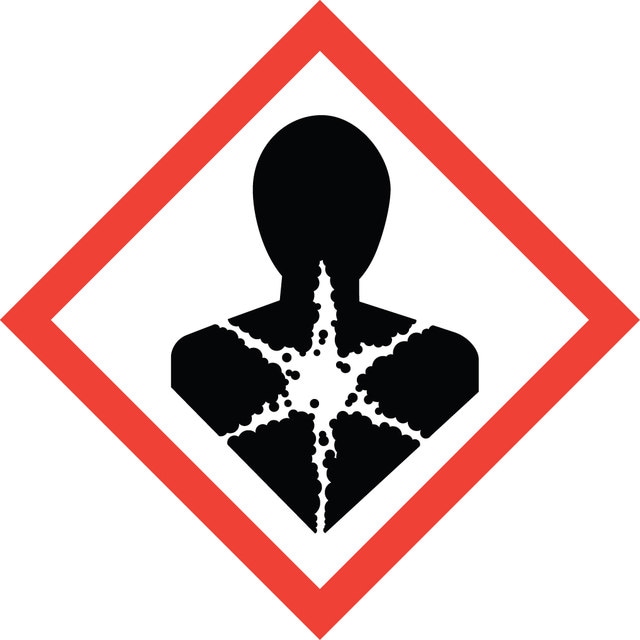
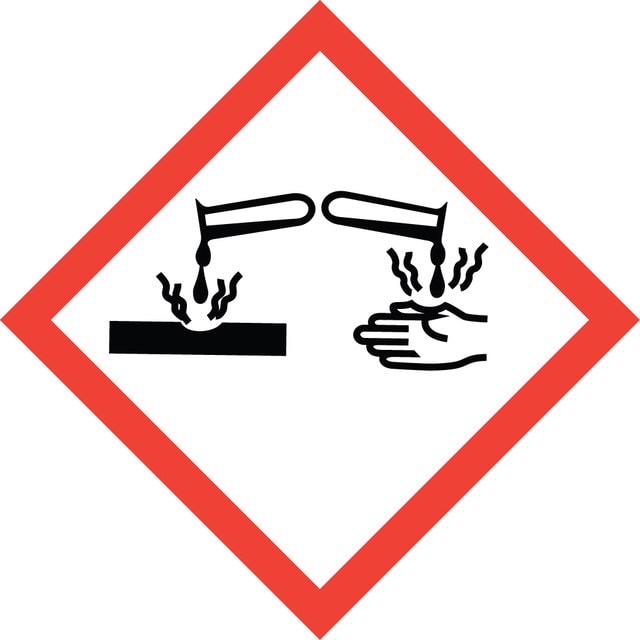

Signal Word
Danger
Hazard Codes
Precautionary Statements
Hazard Classifications
Eye Irrit. 2 - Met. Corr. 1 - Resp. Sens. 1 - Skin Irrit. 2 - STOT SE 3
Target Organs
Respiratory system
Storage Class
10 - Combustible liquids
WGK
WGK 3
Choose from one of the most recent versions:
Already Own This Product?
Find documentation for the products that you have recently purchased in the Document Library.