


The microprotein kit TP0200 is not intended for use above 1 mg/ml
TP0200

Total Protein Kit, Micro-Lowry, Onishi & Barr Modification
sufficient for ~50 manual assays
Synonym(s):
Total Protein Assay Kit
Sign In to View Organizational & Contract Pricing.
Select a Size
Change View
| Size/SKU | Availability | Price |
|---|---|---|
1 kit | Check Cart for Availability | $145.00 |
About This Item
NACRES:
NA.32
UNSPSC Code:
12352202
$145.00
Check Cart for Availability
description
wavelength 500-750nm
Quality Segment
usage
sufficient for ~50 manual assays
protein detection level measuring range
0-1 mg/mL
parameter
18-26 °C temperature, 200 μL sample volume
storage temp.
2-8°C
General description
The biuret and Lowry procedures are used for protein determination. The former is widely used for clinical assays. The latter, though more sensitive, is used for investigative work and is limited by poor stability of combined reagents, non-reproducibility of color, especially at low protein concentration, and nonlinear chromogenic response with protein concentration. Ohnishi and Barr modified the biuret reagent for the Lowry procedure, thereby simplifying it while improving the stability of the combined reagent.
Application
Total Protein Kit, Micro-Lowry, Onishi & Barr Modification has been used to determine total soluble protein concentrations:
- in the dialyzates/extracts of gliadins
- in the extracts of flour (Avena sativa and Triticum durum) and seeds (Chenopodium quinoa, Salvia hispanica L.)
- in the stored samples of rat liver microsomal fractions
Biochem/physiol Actions
Colorimetric, Endpoint.assay. Ohnishi and Barr′s modification of micro Lowry method. According to procedure, dilute biuret reagent reacts with peptide bonds to yield a purple-blue complex, the color of which is intensified by the addition of phenol reagent. Absorbance, read at 550-750 nm, is used to determine results from a standard curve.
1 of 1
This Item | |||
|---|---|---|---|
| description sufficient for ~50 manual assays | description - | description - | description - |
| Quality Level 200 | Quality Level 200 | Quality Level 200 | Quality Level 100 |
| protein detection level measuring range 0-1 mg/mL | protein detection level measuring range - | protein detection level measuring range - | protein detection level measuring range - |
| parameter 18-26 °C temperature, 200 μL sample volume | parameter - | parameter - | parameter 18-26 °C temperature, 50 μL sample volume |
| description wavelength 500-750nm | description - | description - | description wavelength 595 nm |
| storage temp. 2-8°C | storage temp. - | storage temp. 2-8°C | storage temp. 2-8°C |
| usage sufficient for ~50 manual assays | usage sufficient for ~200 assays | usage - | usage - |
Kit Components Also Available Separately
Product No.
Description
SDS & Pricing
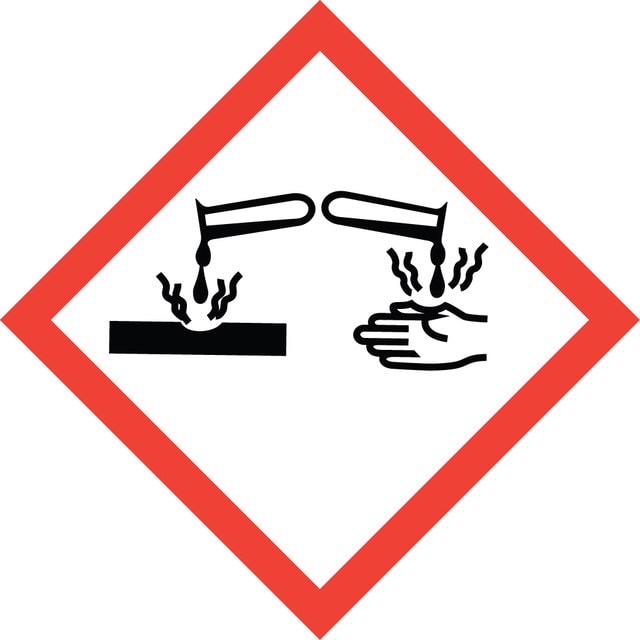
signalword
Danger
hcodes
Hazard Classifications
Eye Dam. 1 - Met. Corr. 1 - Skin Corr. 1
Storage Class
8A - Combustible corrosive hazardous materials
flash_point_f
Not applicable
flash_point_c
Not applicable
Choose from one of the most recent versions:
Already Own This Product?
Find documentation for the products that you have recently purchased in the Document Library.
-
does it works for samples with 11 mg/ml?
1 answer-
Helpful?
-