
465666

Magnesium
ReagentPlus®, powder, −325 mesh, 99.5% trace metals basis
Select a Size
$99.40
$346.00
About This Item
Skip To
Product Name
Magnesium, ReagentPlus®, powder, −325 mesh, 99.5% trace metals basis
InChI key
FYYHWMGAXLPEAU-UHFFFAOYSA-N
InChI
1S/Mg
SMILES string
[Mg]
vapor pressure
1 mmHg ( 621 °C)
description
Metals basis purity
product line
ReagentPlus®
assay
99.5% trace metals basis
form
powder
autoignition temp.
950 °F
reaction suitability
reagent type: reductant
resistivity
4.46 μΩ-cm, 20°C
particle size
−325 mesh
bp
1090 °C (lit.)
mp
648 °C (lit.)
density
1.74 g/mL at 25 °C (lit.)
Quality Level
Looking for similar products? Visit Product Comparison Guide
Related Categories
1 of 4
This Item | 253987 | 254118 | 13112 |
|---|---|---|---|
| assay 99.5% trace metals basis | assay ≥99% | assay 99.98% trace metals basis | assay ≥99% |
| Quality Level 100 | Quality Level 100 | Quality Level 100 | Quality Level 200 |
| reaction suitability reagent type: reductant | reaction suitability reagent type: reductant | reaction suitability reagent type: reductant | reaction suitability reagent type: reductant |
| bp 1090 °C (lit.) | bp 1090 °C (lit.) | bp 1090 °C (lit.) | bp 1090 °C (lit.) |
| density 1.74 g/mL at 25 °C (lit.) | density 1.74 g/mL at 25 °C (lit.) | density 1.74 g/mL at 25 °C (lit.) | density 1.74 g/mL at 25 °C (lit.) |
| form powder | form powder | form chips | form powder |

Application
It can also be used to catalyze Pinacol coupling,[5] Reformatsky reaction[6] and degradation of carcinogenic polycyclic aromatic hydrocarbons (PAHs).[7]
Legal Information
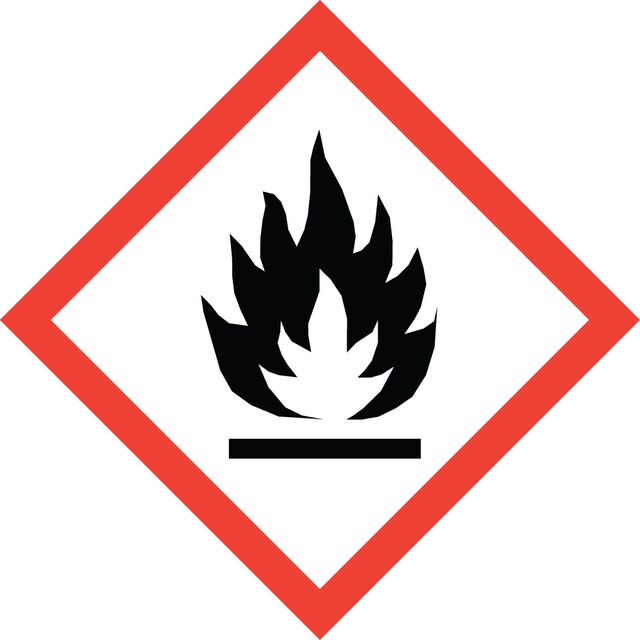
signalword
Danger
hcodes
Hazard Classifications
Pyr. Sol. 1 - Water-react 1
Storage Class
4.2 - Pyrophoric and self-heating hazardous materials
wgk
WGK 3
flash_point_f
Not applicable
flash_point_c
Not applicable
ppe
Eyeshields, Faceshields, Gloves, type P3 (EN 143) respirator cartridges
Choose from one of the most recent versions:
Already Own This Product?
Find documentation for the products that you have recently purchased in the Document Library.
Articles
Mechanochemical Effect of Severe Plastic Deformations: Metal Alloys, Hydrides and Molecular Solids
Active Filters
Our team of scientists has experience in all areas of research including Life Science, Material Science, Chemical Synthesis, Chromatography, Analytical and many others.
Contact Technical Service