


Skip to Content
MilliporeSigma

Skip To

61335

Lactophenol blue solution

suitable for microscopy

Synonym(s):

Lactophenol Anilin Blue solution, Lactophenol Cotton Blue solution

Sign In to View Organizational & Contract Pricing.

Select a Size

Change View
Pack SizeSKUAvailabilityPrice
100 mL

Available to ship TODAYfromMILWAUKEE

$49.90

About This Item

UNSPSC Code:
41116130
NACRES:
NA.21
MDL number:

$49.90


Available to ship TODAYDetails


Request a Bulk Order
Technical Service
Need help? Our team of experienced scientists is here for you.
Let Us Assist


technique(s)

microbe id | staining: suitable

Quality Level

impurities

phenol

density

1.16 g/mL at 20 °C

application(s)

food and beverages

suitability

suitable for microscopy, fungi, yeasts

Other Notes

Stain used in microscopy and microbiology

Compare Similar Items

View Full Comparison

Show Differences

1 of 1

This Item
1.012870136341506
technique(s)

microbe id | staining: suitable

technique(s)

microbe id | staining: suitable

technique(s)

microbe id | staining: suitable

technique(s)

microbe id | staining: suitable

suitability

suitable for microscopy, fungi, yeasts

suitability

-

suitability

suitable for microscopy, Microthrix parvicella, Nostocoida spp., Corynebacterium spp.

suitability

suitable for microscopy, fungi

application(s)

food and beverages

application(s)

clinical testing
diagnostic assay manufacturing
hematology
histology

application(s)

diagnostic assay manufacturing
hematology
histology

application(s)

food and beverages
hematology
histology

Quality Level

100

Quality Level

400

Quality Level

100

Quality Level

100

density

1.16 g/mL at 20 °C

density

0.97 g/cm3 at 20 °C

density

-

density

-

impurities

phenol

impurities

-

impurities

-

impurities

-


Still not finding the right product?

Explore all of our products under Lactophenol blue solution


signalword

Danger

Hazard Classifications

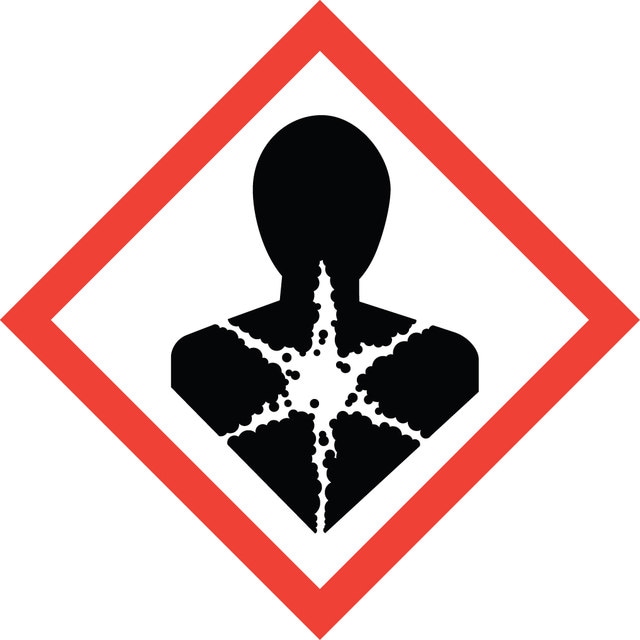
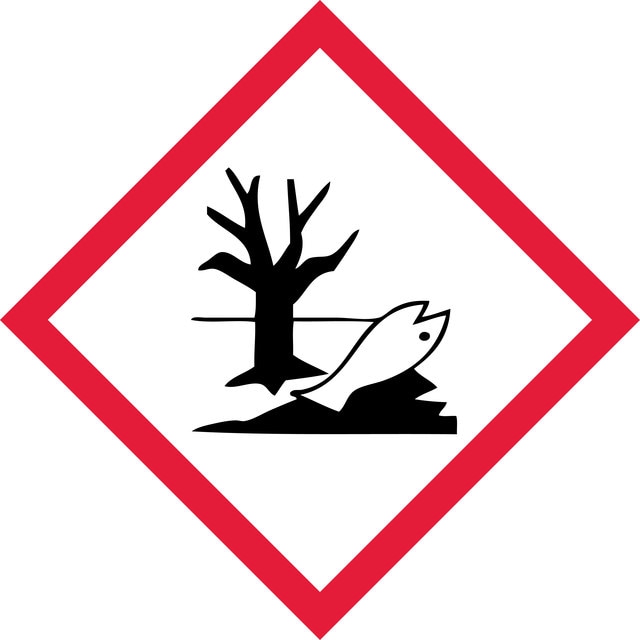
Acute Tox. 4 Inhalation - Acute Tox. 4 Oral - Aquatic Chronic 2 - Eye Dam. 1 - Muta. 2 - Skin Corr. 1B - STOT RE 2

target_organs

Nervous system,Kidney,Liver,Skin

supp_hazards

Storage Class

6.1A - Combustible acute toxic Cat. 1 and 2 / very toxic hazardous materials

wgk

WGK 3

flash_point_f

Not applicable

flash_point_c

Not applicable

ppe

Faceshields, Gloves, Goggles, type ABEK (EN14387) respirator filter


Choose from one of the most recent versions:

Certificates of Analysis (COA)

Lot/Batch Number

Don't see the Right Version?

If you require a particular version, you can look up a specific certificate by the Lot or Batch number.

Already Own This Product?

Find documentation for the products that you have recently purchased in the Document Library.

Visit the Document Library


Related Content


E.J. Baron, S.M. Finegold
Bailey and Scott's Diagnostic Microbiology (1990)
P.R. Murray et al., eds.
Manual of Clinical Microbiology (1999)
Hector Herrera et al.
Mycorrhiza, 27(3), 175-188 (2016-11-01)
Little is known about Orchidaceae plants in Chile and their mycorrhizal associations, a key issue for designing protective actions for endangered species. We investigated root fungi from seven terrestrial orchid species to identify potential mycorrhizal fungi. The main characteristics of


Global Trade Item Number

SKUGTIN
61335-100ML04061838261083

Questions

  1. Can Lactophenol Cotton Blue stains 61355 and 113741 be used to stain fungus only? Are there any other suggestions for fungal stains? Also, does Safranin stain fungi?

    1 answer
    1. Lactophenol Blue is commonly used as a stain for fungi due to its quick and easy application. However, the identification of fungi typically relies on factors such as shape, method of production, and spore arrangement, as dyes generally lack the specificity of antibodies. Lactophenol Blue consists of Methyl Blue/Aniline Blue, which are also used in other formulations to stain substances other than fungi.

      Products 61335 and 113741 are essentially the same, offered by different divisions. Both are equally suitable for the intended purpose.

      Fluorescent Brightner 28/Calcofluor White is another dye used for identifying fungi, binding to cellulose and chitin in the cell walls. Unlike Lactophenol Cotton Blue, a fluorescent microscope is used to evaluate the staining.

      Other routine histological stains, such as the GMS procedure (HT100A) and PAS procedure (395B), can also identify fungi, although they also stain for other substances. The PAS procedure, for example, oxidizes elements within the fungi to simple aldehyde using chromic acid or periodic acid, and the Schiff’s Reagent is simply a stain for aldehydes. However, there are other dyes that might also be used to stain fungi, although if the dye is not commonly utilized for staining fungi, it may not be identified as such.

      Lactophenol Cotton Blue may stain components of plant tissue, so morphology should be assessed to determine if the stain is related to fungi or plant material. In a spore stain using Malachite Green and Safranin, Malachite Green stains the spores, while Safranin stains other plant materials.

      Helpful?

Reviews

No rating value

Active Filters