


This product is listed as a solid, however the appearance is not a listed specification. The item is packaged in liquid form and when cooled will result in a solid mass or lump. The melting point of this material is 40-42 °C.
16017

Phenol
99.5-100.5% (GC), solid, puriss., meets analytical specification of Ph. Eur., BP, USP
Synonym(s):
Hydroxybenzene
Sign In to View Organizational & Contract Pricing.
Select a Size
1 KG
$178.00
6 X 1 KG
$714.75
$178.00
Estimated to ship onDecember 22, 2025Details
Subscriptions are currently unavailable.
Ships Every 4 weeks
About This Item
Linear Formula:
C6H5OH
CAS Number:
Molecular Weight:
94.11
NACRES:
NA.21
PubChem Substance ID:
UNSPSC Code:
12352104
EC Number:
203-632-7
MDL number:
Beilstein/REAXYS Number:
969616
Skip To
Product Name
Phenol, puriss., meets analytical specification of Ph. Eur., BP, USP, 99.5-100.5% (GC)
InChI key
ISWSIDIOOBJBQZ-UHFFFAOYSA-N
InChI
1S/C6H6O/c7-6-4-2-1-3-5-6/h1-5,7H
SMILES string
Oc1ccccc1
vapor density
3.24 (vs air)
vapor pressure
0.09 psi ( 55 °C)
0.36 mmHg ( 20 °C)
grade
puriss.
assay
99.5-100.5% (GC)
form
solid
autoignition temp.
1319 °F
quality
meets analytical specification of Ph. Eur., BP, USP
expl. lim.
8.6 %
impurities
acidic reac. Impurities, in accordance
organic volatile impurities, in accordance (GC)
≤0.05% non-volatile matter
≤0.3% water (Karl Fischer)
bp
182 °C (lit.)
mp
40-42 °C (lit.)
transition temp
solidification point ≥40 °C
density
1.071 g/mL at 25 °C (lit.)
suitability
in accordance for appearance of solution
Quality Level
Gene Information
human ... GABRA1(2554)
Looking for similar products? Visit Product Comparison Guide
1 of 4
This Item | 33517 | 185450 | 328111 |
|---|---|---|---|
| assay 99.5-100.5% (GC) | assay 99.0-100.5%, 99.5-100.5% (GC) | assay ≥99% | assay ≥99% |
| Quality Level 200 | Quality Level 200 | Quality Level 200 | Quality Level 100 |
| bp 182 °C (lit.) | bp 180-181 °C, 182 °C (lit.) | bp 182 °C (lit.) | bp 181 °C, 182 °C (lit.) |
| density 1.071 g/mL at 25 °C (lit.) | density 1.071 g/mL at 25 °C (lit.) | density 1.071 g/mL at 25 °C (lit.) | density 1.071 g/mL at 25 °C (lit.) |
| mp 40-42 °C (lit.) | mp 40-42 °C (lit.) | mp 40-42 °C (lit.) | mp 40-42 °C (lit.) |
| form solid | form solid | form crystalline (flakes), crystalline (solid), crystals | form crystalline (solid), crystals, liquid (after melt) |
Application
General description
Phenol is an aromatic alcohol. Various industrial processes for the synthesis of phenol have been proposed.[3]
comparable product
Product No.
Description
Pricing
signalword
Danger
Hazard Classifications
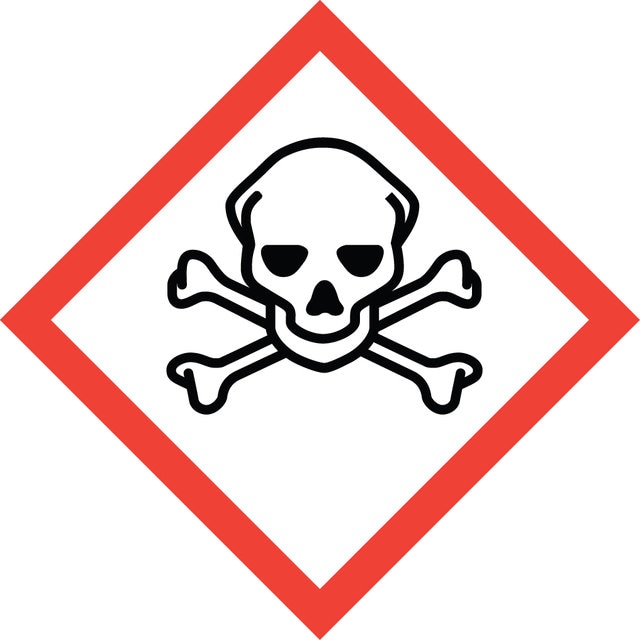
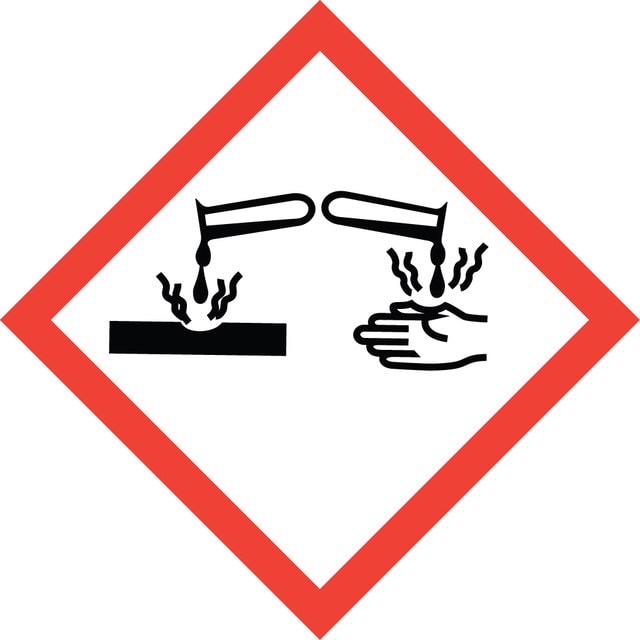
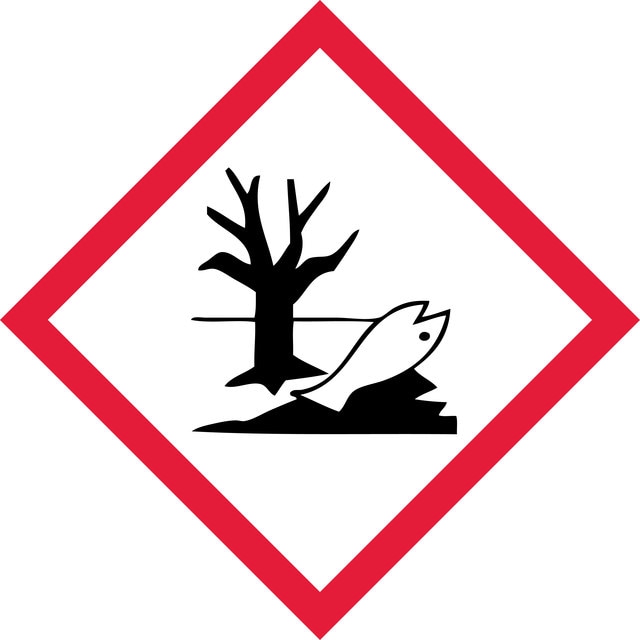
Acute Tox. 3 Dermal - Acute Tox. 3 Inhalation - Acute Tox. 3 Oral - Aquatic Chronic 2 - Eye Dam. 1 - Muta. 2 - Skin Corr. 1B - STOT RE 2
target_organs
Nervous system,Kidney,Liver,Skin
Storage Class
6.1A - Combustible acute toxic Cat. 1 and 2 / very toxic hazardous materials
wgk
WGK 2
flash_point_f
177.8 °F - closed cup
flash_point_c
81 °C - closed cup
ppe
Eyeshields, Faceshields, Gloves, type P2 (EN 143) respirator cartridges, type P3 (EN 143) respirator cartridges
Choose from one of the most recent versions:
Already Own This Product?
Find documentation for the products that you have recently purchased in the Document Library.
PREPARATION OF TRANSFORMING DEOXYRIBONUCLEIC ACID BY PHENOL TREATMENT.
H SAITO et al.
Biochimica et biophysica acta, 72, 619-629 (1963-08-20)
Tyman JHP.
Synthetic and Natural Phenols., 1-1 (1996)
Phenol-hypochlorite reaction for determination of ammonia.
Weatherburn M W.
Analytical Chemistry, 39(8), 971-974 (1967)
Thitiporn Anunthawan et al.
Biochimica et biophysica acta, 1848(6), 1352-1358 (2015-03-15)
We investigated the mechanisms of two tryptophan-rich antibacterial peptides (KT2 and RT2) obtained in a previous optimization screen for increased killing of both Gram-negative and Gram-positive bacteria pathogens. At their minimal inhibitory concentrations (MICs), these peptides completely killed cells of
Rita A Busuttil et al.
Clinical cancer research : an official journal of the American Association for Cancer Research, 20(10), 2761-2772 (2014-03-25)
Gene-expression profiling has revolutionized the way we think about cancer and confers the ability to observe the synchronous expression of thousands of genes. The use of putative genome-level expression profiles has allowed biologists to observe the complex interactions of genes
-
What is the appearance of Phenol? Powder, granules, crystal?
1 answer-
Helpful?
-
Active Filters
Our team of scientists has experience in all areas of research including Life Science, Material Science, Chemical Synthesis, Chromatography, Analytical and many others.
Contact Technical Service